



What's Happening?
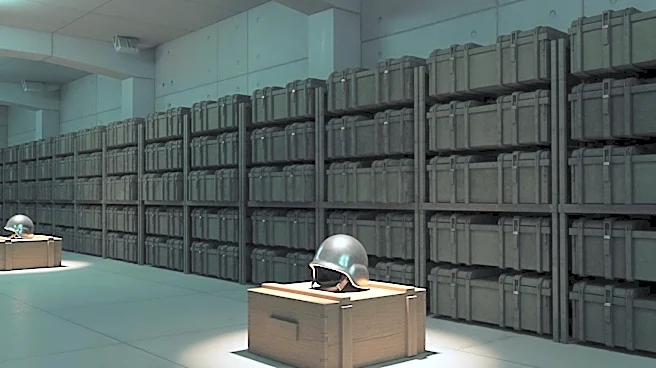
The French Army is experiencing a unique challenge of having an excess of recruitment candidates while simultaneously facing equipment shortages. According to Gen. Patrick Justel, the deputy chief of staff, the army has had to slow down recruitment due
to budgetary constraints, despite having more than enough applicants. This situation contrasts with countries like Germany and Poland, which have sufficient funding for equipment but struggle to recruit enough personnel. The French Army's equipment shortages span various areas, including spare parts, deep-fires weaponry, and counter-drone defense. Despite recent improvements in equipment through defense-planning laws, significant gaps remain, particularly in electronic warfare and ground-to-air defense. France's recruitment success is attributed to a large youth cohort and high trust in the armed forces, with many young people joining to serve in combat units.
Why It's Important?
This development highlights the differing defense challenges faced by European NATO members. While France grapples with equipment shortages, Germany and Poland face recruitment difficulties despite having ample funding for military hardware. The situation underscores the complexity of balancing personnel and equipment needs in modern military forces. For France, the equipment shortages could impact its ability to engage in high-intensity conflicts and fulfill its NATO commitments. The recruitment surplus, however, positions France advantageously in terms of human resources, potentially allowing for a more robust and motivated military force. The broader implications for NATO include the need for member countries to address both recruitment and equipment challenges to maintain a balanced and effective defense posture.
What's Next?
France is likely to continue addressing its equipment shortages through long-term efforts, including spreading electronic warfare capabilities more broadly across its forces. The country may also focus on regular military exercises in strategic locations to ensure readiness and familiarity with different terrains and conditions. These efforts are crucial for France to maintain its commitments to NATO and ensure its forces are prepared for potential deployments. Additionally, the ongoing recruitment success may allow France to strategically allocate personnel to areas where they are most needed, potentially offsetting some of the equipment challenges.
Beyond the Headlines
The French Army's situation reflects broader trends in military recruitment and equipment allocation across Europe. The high trust in the armed forces and the willingness of young people to serve highlight cultural factors that influence military recruitment. The equipment shortages, on the other hand, point to the challenges of modernizing military forces in a rapidly changing technological landscape. As countries like France work to address these issues, there may be opportunities for increased collaboration and resource sharing among NATO members to enhance collective defense capabilities.