






What's Happening?
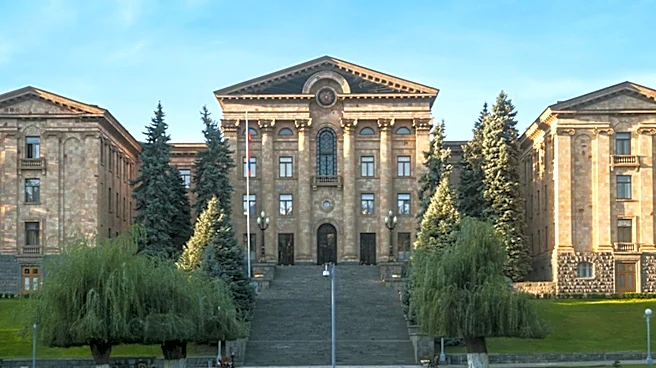
More than 45,000 Armenians displaced from Artsakh (Nagorno-Karabakh) have been granted citizenship by the Republic of Armenia. Deputy Minister of Internal Affairs Armen Ghazaryan announced this development during a briefing at the National Assembly. Over
53,000 citizenship applications have been submitted by displaced Artsakh Armenians, with more than 45,000 already approved. The process has involved addressing documentation challenges, particularly the absence of birth certificates, which are a legal requirement for citizenship applications. To streamline this, authorities have introduced a simplified notarial procedure to establish necessary facts, avoiding lengthy court proceedings. The Ministry of Justice proposed this notarial mechanism, which is currently being implemented. Additionally, the government is considering exemptions from certain fees to alleviate the financial burden on applicants. Ghazaryan clarified that the maximum processing period is 90 working days from the official start of administrative proceedings, emphasizing that delays beyond this are rare. He also noted that misunderstandings sometimes arise because applicants consider the document collection stage as the beginning of the process, whereas official proceedings commence after all required documents are submitted and verified.
Why It's Important?
This initiative by the Armenian government is crucial for the humanitarian and social integration of the displaced Artsakh Armenian population. Following Azerbaijan's takeover of Nagorno-Karabakh in 2023 and the subsequent departure of its entire Armenian population, these individuals faced significant challenges, including loss of homes, livelihoods, and national identity. Granting Armenian citizenship provides them with legal status, access to social services, and a sense of belonging, which are fundamental for their long-term stability and well-being. The simplified notarial procedures and potential fee exemptions demonstrate a proactive approach to overcome bureaucratic hurdles, ensuring that a vulnerable population can more easily secure their rights and integrate into Armenian society. This move also underscores Armenia's commitment to its ethnic kin, reinforcing national solidarity and potentially mitigating the demographic and social impacts of the displacement. For the displaced individuals, citizenship means the ability to rebuild their lives with greater security and opportunity within Armenia.
What's Next?
The immediate next step involves raising public awareness about the simplified notarial procedures to ensure more displaced Armenians can utilize them effectively. The government will likely continue to process the remaining citizenship applications, with a focus on maintaining the established 90-working-day processing period. Authorities are also expected to finalize decisions regarding exemptions from certain fees to further ease the financial burden on applicants. Beyond citizenship, the Armenian government will need to continue developing and implementing comprehensive integration programs, including housing, employment, education, and healthcare services, to support the long-term settlement of these new citizens. International organizations and aid agencies may also play a role in supporting these integration efforts. The success of these measures will be critical in ensuring the displaced population can fully integrate and contribute to Armenian society, while also addressing any potential social or economic strains that may arise from such a large-scale displacement and integration process.
Beyond the Headlines
The mass granting of Armenian citizenship to displaced Artsakh Armenians carries profound long-term implications for both Armenia and the broader South Caucasus region. Ethically, it represents a humanitarian response to a population uprooted by conflict, affirming a nation's responsibility to its people. Legally, it solidifies the status of these individuals, providing them with rights and protections that were uncertain after their displacement. Culturally, it reinforces Armenian national identity and solidarity, potentially strengthening the social fabric of the nation. However, this influx of new citizens also presents significant challenges for Armenia's infrastructure, economy, and social services, requiring substantial resources and strategic planning for successful integration. The demographic shift could also alter the political landscape within Armenia. Furthermore, this development could have geopolitical ramifications, as it formally integrates a population previously residing in a disputed territory into Armenia, potentially influencing future diplomatic discussions and regional stability. The long-term success of this integration will serve as a critical case study in post-conflict humanitarian response and national resilience.