








What's Happening?
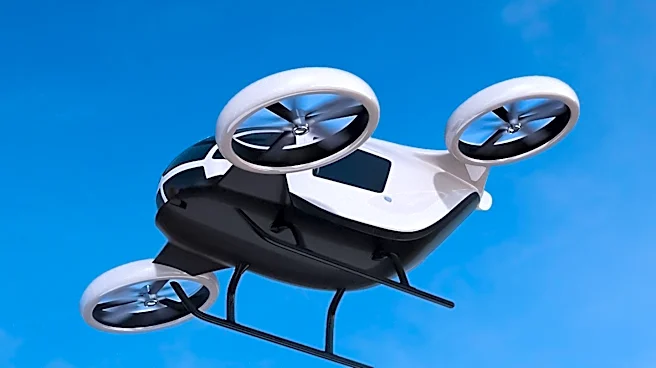
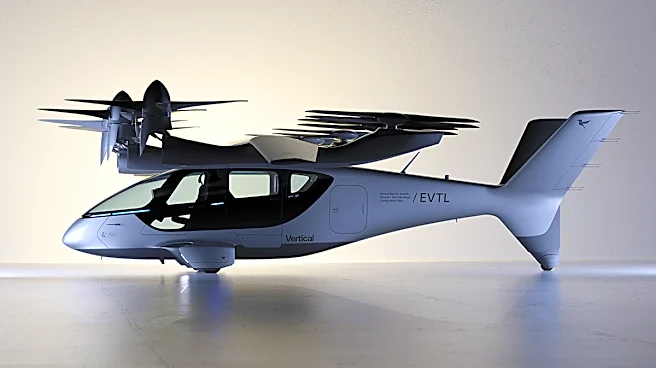
U.S. airports are beginning to prepare for the advent of electric vertical takeoff and landing (eVTOL) aircraft, even as the first certified models are still years away. Industry observers anticipate that manufacturers like Archer Aviation, Beta Technologies,
and Joby Aviation are closest to achieving certification. Initial eVTOL operations are expected to focus on emergency medical services and cargo transport before expanding to passenger air taxi services. A significant hurdle is the development of ground infrastructure, including charging stations and vertiports. Many airports are hesitant to invest heavily in this infrastructure before aircraft receive certification. However, some facilities, such as Springfield-Beckley airport and Vertiport Chicago, are actively engaging in infrastructure planning, testing, and participating in FAA pilot programs. The 2028 Summer Olympics in Los Angeles are slated to feature Archer Aviation's eVTOL aircraft as the official air taxi service, showcasing the technology to a global audience.
Why It's Important?
The readiness of U.S. airports for eVTOL technology is crucial for the successful integration of advanced air mobility (AAM) into the national transportation system. The hesitation of many airports to invest in infrastructure prior to certification creates a 'chicken or egg' dilemma, potentially delaying the widespread adoption of eVTOLs. Early adopters like Springfield-Beckley and Vertiport Chicago are serving as vital test cases, providing insights into vertiport design, charging standards, and airspace integration. The experience gained from these pilot programs will be instrumental in shaping future regulations and industry standards. The potential for eVTOLs to augment existing aviation services, particularly for critical missions like EMS and cargo, highlights their importance in enhancing efficiency and accessibility in air transport. The 2028 Olympics demonstration could significantly influence public perception and accelerate investment in this emerging sector.
What's Next?
The coming years will likely see continued progress in eVTOL aircraft certification, with some manufacturers targeting late 2026 for initial approvals. The FAA's eVTOL Integration Pilot Program (eIPP), which includes operations in 26 states, will be critical in gathering data and informing future regulations. Airports will need to address the challenge of developing robust electrical infrastructure to support eVTOL charging, a concern highlighted by experts like Joe Mattern. The industry will also need to overcome the 'sequencing problem' where ground infrastructure development often lags behind aircraft certification. Mobile charging units are being explored as a temporary solution to bridge energy infrastructure gaps, particularly in rural areas. The success of early test cases and the demonstration at the 2028 Olympics will be key indicators of the pace of eVTOL adoption and the future of advanced air mobility in the U.S.
Beyond the Headlines
The transition to eVTOLs represents a broader shift in the aerospace industry towards more sustainable and efficient air travel. Beyond the immediate challenges of certification and infrastructure, the long-term implications include a potential reshaping of urban and regional transportation. The development of vertiports and charging networks could create new economic opportunities and alter land-use patterns around airports and in urban centers. The integration of autonomous flight capabilities, as seen with Wisk Aero's focus, raises complex questions about air traffic management, safety protocols, and public acceptance of unpiloted aircraft. Furthermore, the emphasis on using eVTOLs for emergency services and cargo could lead to more resilient and responsive logistical networks, particularly in underserved or remote areas. The success of this technology will depend not only on technological advancements but also on effective regulatory frameworks and public trust.