







What's Happening?
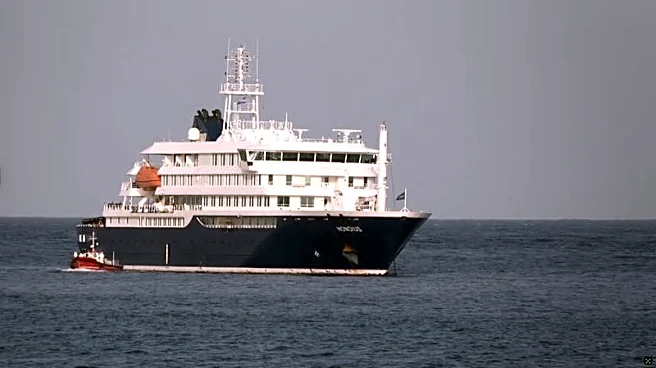
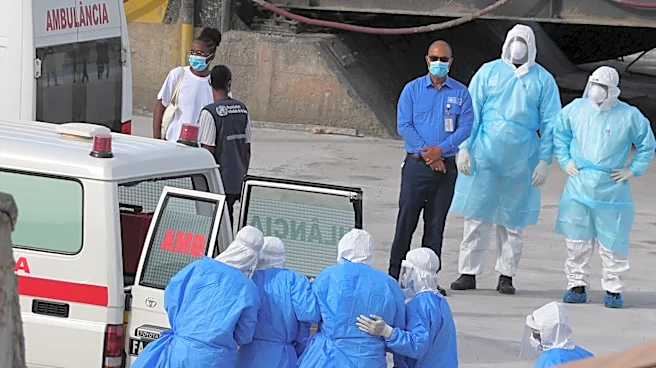
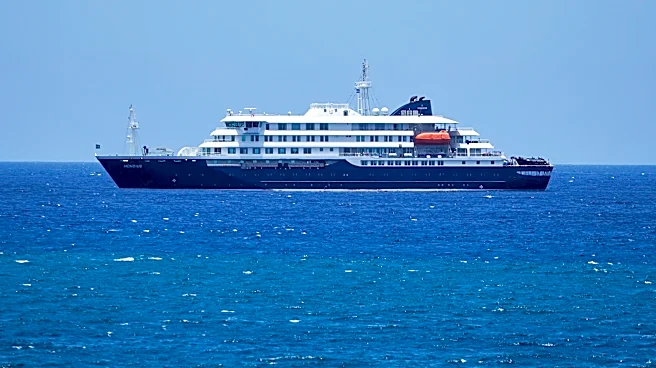
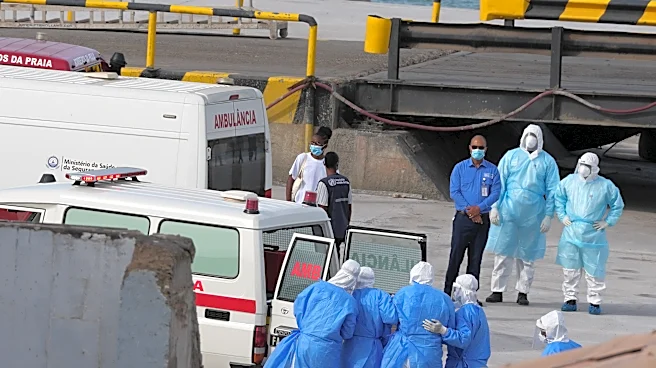
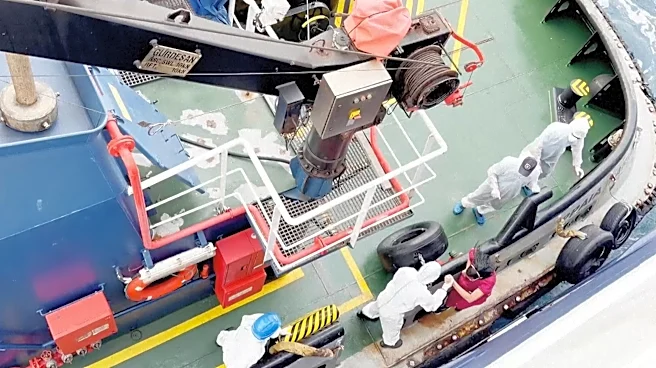
An outbreak of hantavirus on the cruise ship MV Hondius has resulted in the deaths of three passengers and the evacuation of others for medical care. The ship, which departed from Ushuaia, Argentina, traveled across the South Atlantic, making stops at various
islands. The virus, typically spread through contact with infected rodents, has been linked to the Andes strain, which can transmit between humans under close and prolonged contact. The outbreak has raised concerns due to the virus's severe respiratory illness potential, known as hantavirus cardiopulmonary syndrome (HCPS), which has a high mortality rate. The World Health Organization (WHO) and other health agencies are monitoring the situation closely.
Why It's Important?
The hantavirus outbreak on the MV Hondius highlights the risks associated with infectious diseases on cruise ships, where close quarters can facilitate the spread of viruses. The Andes strain's ability to transmit between humans, although rare, poses a significant public health concern, especially in confined environments. This incident underscores the importance of stringent health protocols and monitoring on cruise ships to prevent similar outbreaks. The situation also draws attention to the need for global cooperation in managing infectious diseases, as passengers from various countries, including the U.S., were on board.
What's Next?
Health authorities are conducting investigations to determine the source of the outbreak and to prevent further spread. The MV Hondius is expected to dock in Tenerife, Spain, where remaining passengers will undergo medical examinations. The WHO is providing guidance for the onward travel of passengers, and health officials in several countries, including the U.S., are monitoring individuals who may have been exposed. The situation remains fluid, with ongoing efforts to trace and manage potential cases.