



What's Happening?
Healthcare professionals in the U.S. are strongly recommending that grandparents and other caregivers receive several key vaccinations before interacting with newborns. This advice comes amidst the current respiratory virus season and the nation's most
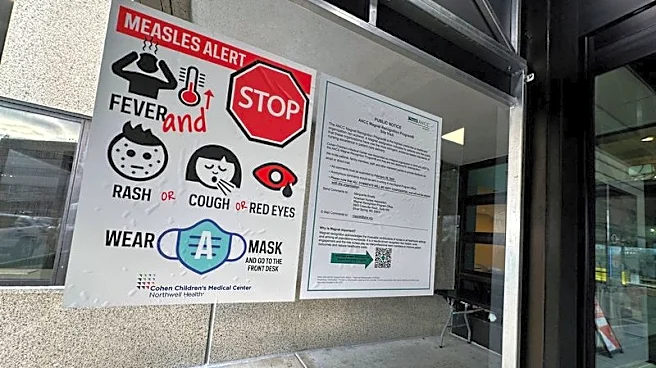
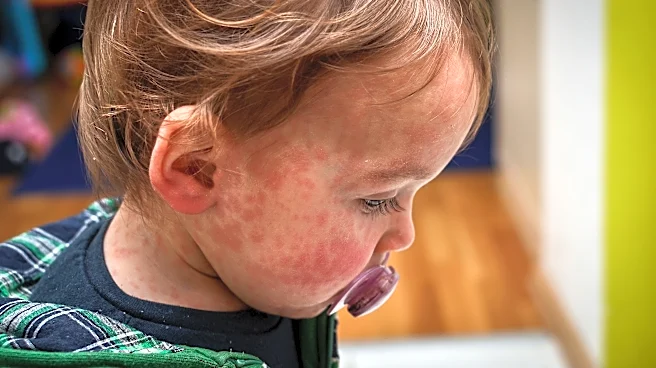
significant measles outbreak in decades. Dr. Dhaval Desai, an internal medicine and pediatrics physician, emphasized the vulnerability of infants aged zero to six months, who rely heavily on antibodies passed from their mothers and the immunity of those around them. The U.S. Centers for Disease Control and Prevention (CDC) advises that anyone around a newborn should be up-to-date on routine vaccines, particularly the Tdap vaccine (tetanus, diphtheria, and pertussis/whooping cough) and the seasonal flu vaccine. Additionally, doctors are recommending the RSV vaccine for older adults, with specific age and health condition guidelines. The updated COVID-19 vaccine is also recommended for all adults to reduce the risk of hospitalization and transmission to vulnerable family members. The ongoing measles outbreak, with over 4,500 confirmed cases reported nationwide and a significant outbreak in Pennsylvania, highlights the urgency for MMR vaccination, especially for those unsure of their immunity. Infants are among those who have died from measles this year.
Why It's Important?
This vaccination push is crucial for public health, particularly for the most vulnerable population: newborns. Infants lack fully developed immune systems and cannot receive many vaccines themselves during their first few months of life, making them highly susceptible to severe illness from common viruses. The recommendation aims to create a 'cocoon of immunity' around infants, protecting them from potentially life-threatening diseases like whooping cough, measles, RSV, flu, and COVID-19. The current measles outbreak, described as the largest and deadliest in over 30 years, underscores the immediate danger. For grandparents, getting vaccinated not only protects their grandchildren but also safeguards their own health, ensuring they can participate in this special time without falling ill or inadvertently transmitting infections. The advice also highlights a gap in healthcare guidance, as grandparents may not receive the same vaccination reminders as expectant mothers, making proactive consultation with healthcare providers essential.
What's Next?
Healthcare providers will likely continue to emphasize these vaccination recommendations, particularly as the respiratory virus season progresses and measles cases persist. Grandparents and other family members expecting to be around newborns are encouraged to consult their doctors to ensure their vaccination records are current. Ideally, vaccinations should be completed at least 30 days before a baby's due date, allowing sufficient time for immunity to develop. Most recommended vaccines can be administered simultaneously, though some live vaccines like MMR and varicella require specific spacing if not given on the same day. Public health campaigns may also increase to raise awareness about the importance of adult vaccinations for infant protection. Continued monitoring of viral outbreaks, especially measles, will dictate the urgency and specific recommendations from health authorities.
Beyond the Headlines
The emphasis on grandparent vaccinations reflects a broader understanding of community immunity and the interconnectedness of public health. It highlights the concept of 'herd immunity' extending beyond direct vaccination to include protecting those who cannot be vaccinated. This initiative also subtly shifts some responsibility for infant health to the broader family unit, promoting a collective approach to safeguarding vulnerable populations. Ethically, it underscores the responsibility of individuals to protect others, especially those most susceptible to severe disease. Legally, while vaccinations are not mandated for family visitors, the strong medical recommendations could influence social norms and expectations within families. Culturally, it may encourage more open discussions about vaccination status among family members, potentially reducing vaccine hesitancy by framing it as an act of protection for the newest generation.