


What's Happening?
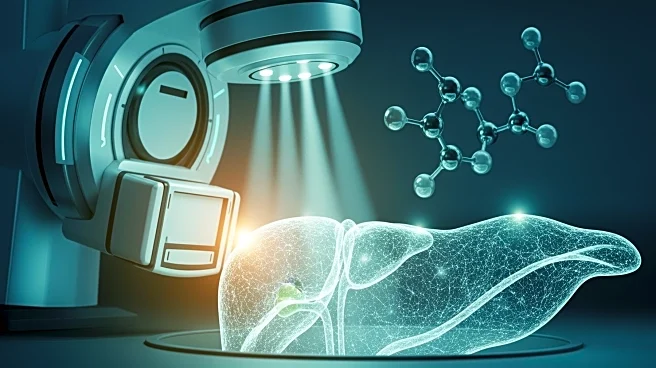
A recent study has investigated the combined effects of radiotherapy and anti-PD-1 immunotherapy on hepatocellular carcinoma, a common type of liver cancer. The research, conducted on BALB/c mice, aimed to understand how these treatments could promote
ferroptosis, a form of programmed cell death, to control tumor growth. The study involved several groups of mice, each receiving different combinations of treatments, including radiotherapy, the PD-1 inhibitor camrelizumab, and si-Hspb1, a gene silencing agent. The results showed that the combination of radiotherapy and anti-PD-1 therapy enhanced the control of tumor growth through ferroptosis. The study also explored the genetic and molecular changes associated with these treatments, using techniques such as RNA sequencing and methylated RNA immunoprecipitation sequencing. The findings suggest that targeting specific genetic pathways could improve the effectiveness of cancer treatments.
Why It's Important?
This study is significant as it provides insights into potential new treatment strategies for hepatocellular carcinoma, which is a leading cause of cancer-related deaths worldwide. By demonstrating the effectiveness of combining radiotherapy with immunotherapy, the research could pave the way for more effective cancer treatment protocols. The study's focus on ferroptosis as a mechanism for tumor control highlights a novel approach that could be applied to other types of cancer as well. This research could influence future clinical trials and lead to the development of more targeted therapies, potentially improving survival rates and quality of life for cancer patients.
What's Next?
The next steps following this study could involve clinical trials to test the safety and efficacy of the combined treatment in human patients. Researchers may also explore the genetic pathways identified in the study to develop targeted therapies that enhance the effectiveness of existing treatments. Additionally, further studies could investigate the potential of combining these treatments with other therapeutic agents to improve outcomes. The findings could also prompt regulatory bodies to consider new guidelines for cancer treatment protocols, potentially leading to changes in standard care practices.
Beyond the Headlines
The study's exploration of genetic and molecular changes in response to treatment could have broader implications for personalized medicine. By identifying specific genetic markers associated with treatment response, healthcare providers could tailor therapies to individual patients, improving outcomes and reducing side effects. The research also raises ethical considerations regarding the use of genetic information in treatment planning and the potential for disparities in access to advanced therapies. As the field of cancer treatment evolves, these issues will need to be addressed to ensure equitable access to care.