










What's Happening?
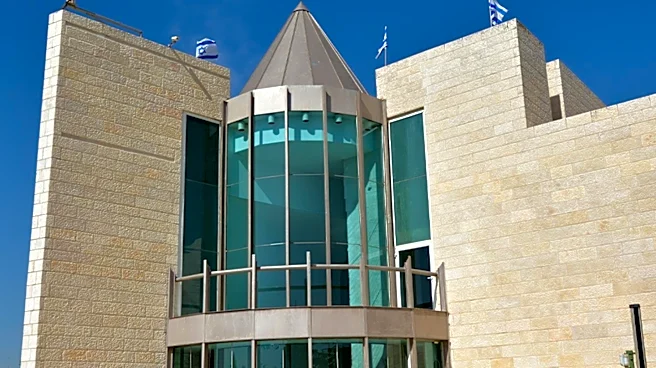
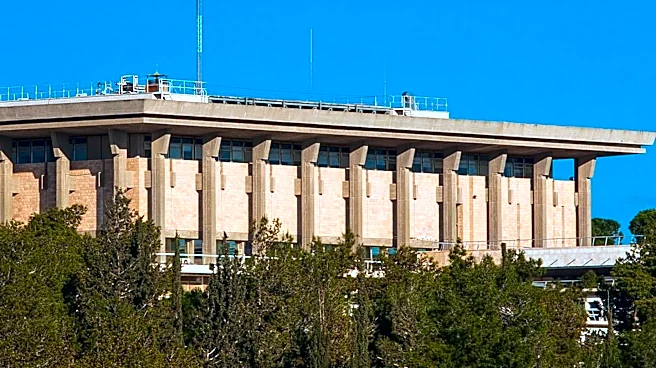
The Israeli High Court of Justice has advised several international aid organizations to withdraw their petitions challenging Israel's refusal to register them. The court indicated that it found no grounds to intervene in the state's policy, which considers
security, boycott, and delegitimization concerns. The organizations involved, including Save the Children International and CESVI, argued that the lack of registration disrupts their operations in Israel and the Palestinian territories. However, the court questioned whether nonregistration genuinely hindered their humanitarian efforts or merely complicated their established procedures.
Why It's Important?
This development is significant as it underscores the complex interplay between national security policies and international humanitarian operations. The court's stance reflects Israel's prioritization of security concerns over the operational convenience of aid organizations. This decision could impact the ability of these organizations to effectively deliver aid and maintain their presence in the region. It also highlights the broader geopolitical tensions that can affect humanitarian work, potentially setting a precedent for how similar cases might be handled in the future.
What's Next?
Following the court's recommendation, CESVI has agreed to withdraw its petition, while other organizations like Save the Children and Diakonia have requested additional time to decide their next steps. The outcome of these decisions could influence the operational strategies of international aid groups in Israel and the Palestinian territories. Additionally, the case may prompt further discussions on balancing security concerns with the need for humanitarian assistance, potentially leading to policy adjustments or new legal challenges.