




What's Happening?
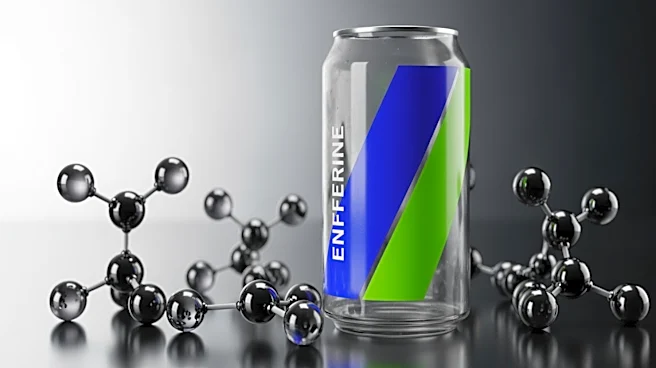
A recent investigation by Consumer Reports has uncovered that many popular energy drinks contain significantly more caffeine than their labels indicate. The study tested 23 energy drinks and shots, finding that some had up to 16% more caffeine than advertised.
This is particularly concerning for teenagers, as many of these drinks contain two to three times the daily caffeine limit recommended for this age group. The American Beverage Association emphasizes the role of parents in monitoring their children's beverage choices. The report highlights the potential health risks associated with excessive caffeine consumption, including insomnia, anxiety, and heart-related symptoms.
Why It's Important?
The findings of this investigation are crucial as they raise awareness about the potential health risks of energy drinks, especially for teenagers who are more vulnerable to caffeine's effects. With energy drinks being widely marketed and easily accessible, there is a pressing need for consumers to be informed about their actual caffeine content. This could lead to increased scrutiny and regulation of labeling practices in the beverage industry. Additionally, the report may prompt parents to be more vigilant about their children's caffeine intake, potentially influencing consumer behavior and public health policies.
What's Next?
In response to these findings, there may be calls for stricter regulations on the labeling and marketing of energy drinks. Consumer advocacy groups could push for more transparency in the beverage industry, ensuring that consumers have accurate information about the products they consume. Additionally, educational campaigns may be launched to inform the public about the risks of excessive caffeine consumption, particularly for young people. This could lead to a shift in consumer preferences towards healthier beverage options.