



What's Happening?
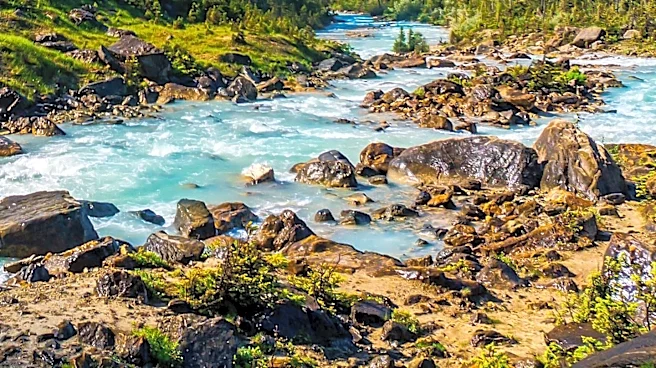
A new legislative proposal, dubbed the 'A River Runs Through It Act,' is being advocated for in Montana to expand and protect wilderness areas around the Upper Blackfoot River. This initiative, which has been decades in the making, aims to safeguard an iconic
stretch of river made famous by Norman Maclean's book. The plan seeks to expand the Bob Marshall and Scapegoat Wilderness Areas, establish a new wilderness area, and designate other federal lands for recreation, forest restoration, and conservation. It also includes provisions for protecting wildlife migration corridors. The proposal is a merger of the Blackfoot-Clearwater Stewardship Proposal, which former Montana Senator John Tester previously attempted to pass, and the Lincoln Prosperity Proposal. These efforts were coalition-led, bringing together diverse groups such as ranchers, hunters, outdoor advocates, and timber companies over 25 years to create a comprehensive plan. Supporters are urging Montana's congressional delegation, specifically Senator Steve Daines and Representative Ryan Zinke, to introduce the bill before the current congressional session concludes.
Why It's Important?
This legislative effort is significant for its potential to enact substantial environmental protection and land management policies in Montana. The proposed 'A River Runs Through It Act' represents a collaborative approach to conservation, uniting traditionally disparate groups like timber companies and environmental advocates. If passed, it would ensure the long-term preservation of critical ecosystems and wildlife habitats, including vital migration corridors, in the Upper Blackfoot River region. The act also aims to balance conservation with sustainable resource use and recreational opportunities, potentially serving as a model for other states facing similar land management challenges. The involvement of a broad coalition underscores a growing recognition of the economic and ecological value of protected wilderness areas. The success of this bill could set a precedent for bipartisan cooperation on environmental issues, demonstrating that diverse interests can converge on common goals for land stewardship.
What's Next?
The immediate next step for the 'A River Runs Through It Act' is for Senator Steve Daines or Representative Ryan Zinke to introduce it in Congress. The coalition behind the plan is actively pushing for its introduction before the end of the current congressional session. Should the bill be introduced, it will then navigate the legislative process, including committee hearings, potential amendments, and votes in both chambers. The broad support from various stakeholders, including ranchers, hunters, outdoor enthusiasts, and timber companies, suggests a strong local impetus for its passage. However, the history of similar proposals, such as the Blackfoot-Clearwater Stewardship Proposal, indicates that opposition citing the need for alternative public lands approaches could still emerge and potentially stall the bill's progress. The outcome will depend on the ability of proponents to maintain bipartisan support and overcome any legislative hurdles.
Beyond the Headlines
The 'A River Runs Through It Act' carries deeper implications beyond immediate land protection. Its name, referencing Norman Maclean's iconic novel, taps into a powerful cultural narrative about Montana's natural beauty and the profound connection many individuals have to its rivers and wilderness. This cultural resonance could galvanize public support and create a strong emotional attachment to the legislation, potentially influencing its political trajectory. Furthermore, the coalition-based approach, bringing together diverse and sometimes conflicting interests, highlights a potential shift towards more collaborative conservation strategies in the U.S. This model could foster greater community buy-in and lead to more durable environmental policies. The act also implicitly addresses the long-term economic sustainability of rural communities by integrating recreation, forest restoration, and conservation, suggesting a holistic view of land use that benefits both nature and local economies.