








What's Happening?
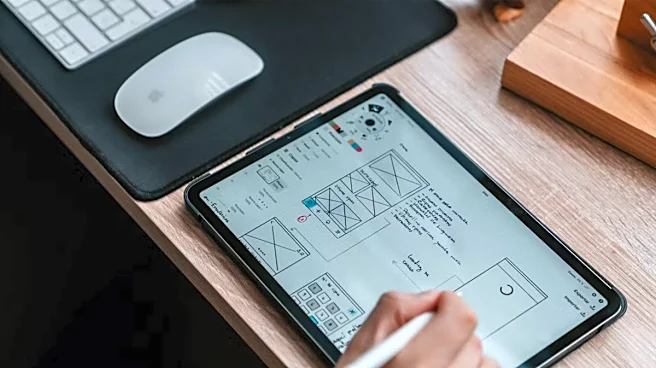
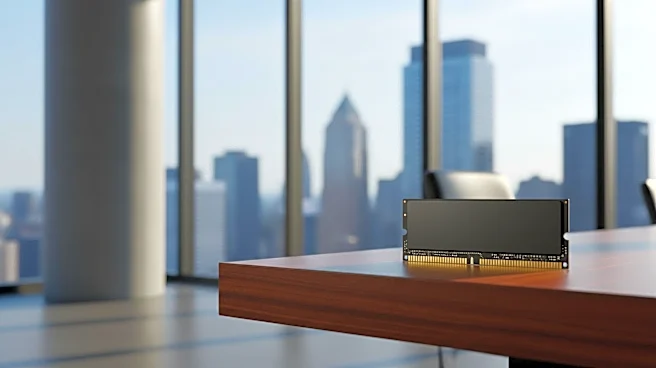
As the back-to-school season approaches, U.S. families are facing increased costs for educational technology due to a global memory chip shortage. This shortage, driven by the evolution of AI, has led to higher prices for devices such as laptops and tablets,
which are essential for students. Many schools provide devices like Chromebooks, but students often need additional devices at home. The shortage has also impacted the refurbished tech market, with companies like Apple raising prices on both new and refurbished products. Despite the price hikes, refurbished devices remain a cost-effective option for many, though they are not immune to the effects of the shortage.
Why It's Important?
The rising costs of educational technology have significant implications for U.S. families, particularly those with multiple school-aged children. As technology becomes increasingly integral to education, the financial burden on families grows. The chip shortage exacerbates this issue, making it difficult for families to afford necessary devices. This situation highlights the broader economic impact of supply chain disruptions and the importance of addressing these challenges to ensure equitable access to education. Additionally, the increased demand for refurbished devices underscores the need for sustainable tech solutions and the potential for growth in the secondhand market.
What's Next?
With the chip shortage expected to continue until 2028, families and educational institutions may need to explore alternative solutions to manage costs. This could include increased reliance on refurbished devices, trade-in programs, and exploring discounts and deals from certified retailers. Policymakers and industry leaders may also need to address the supply chain issues contributing to the shortage to mitigate its long-term impact on education and the economy.