





What's Happening?
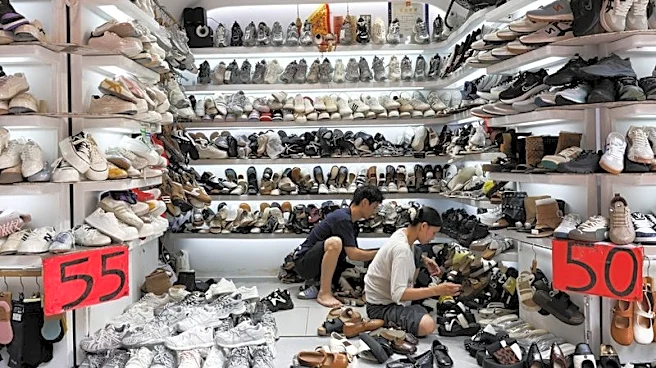
China's economy expanded by 5% in the first quarter of 2026, according to the National Bureau of Statistics. This growth surpasses expectations and marks an acceleration from the previous quarter's 4.5% growth. The increase is attributed to strong exports
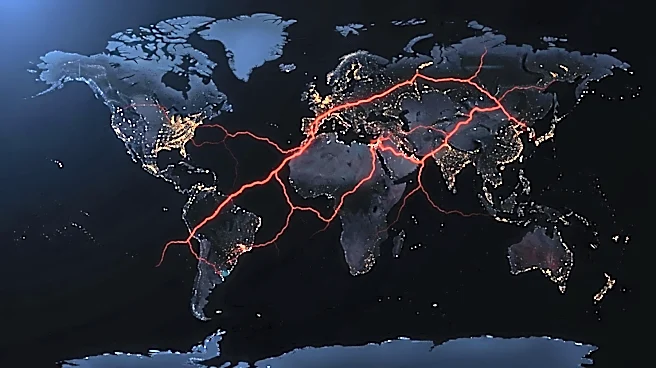
and robust performance in the service and investment sectors. However, the ongoing conflict in Iran poses a threat to global growth, potentially affecting China's ability to maintain its export levels. The International Monetary Fund has adjusted its forecast for China's economic growth to 4.4% for 2026, citing concerns over prolonged conflict and rising energy prices.
Why It's Important?
China's economic performance is crucial for global markets, as it is a major exporter and consumer of goods. The acceleration in growth provides a temporary boost to global trade, but the Iran war introduces significant risks. Higher energy prices and disrupted trade routes could lead to increased costs for raw materials, affecting inflation and consumer spending worldwide. Economies reliant on Chinese exports may face challenges if the conflict continues, potentially leading to slower growth and economic instability.
What's Next?
The ongoing Iran war is likely to continue impacting global energy markets and trade dynamics. China may need to adjust its economic strategies to mitigate the effects of external volatility. Stakeholders, including international businesses and governments, will closely monitor developments in the Middle East and their implications for global trade. Potential diplomatic efforts to resolve the conflict could influence future economic forecasts.
Beyond the Headlines
The situation highlights the interconnectedness of global economies and the vulnerability of export-dependent nations to geopolitical events. China's reliance on exports underscores the need for diversification and investment in domestic consumption to buffer against external shocks. The conflict may also accelerate shifts towards renewable energy and technological advancements as countries seek to reduce dependency on volatile energy markets.