







What's Happening?
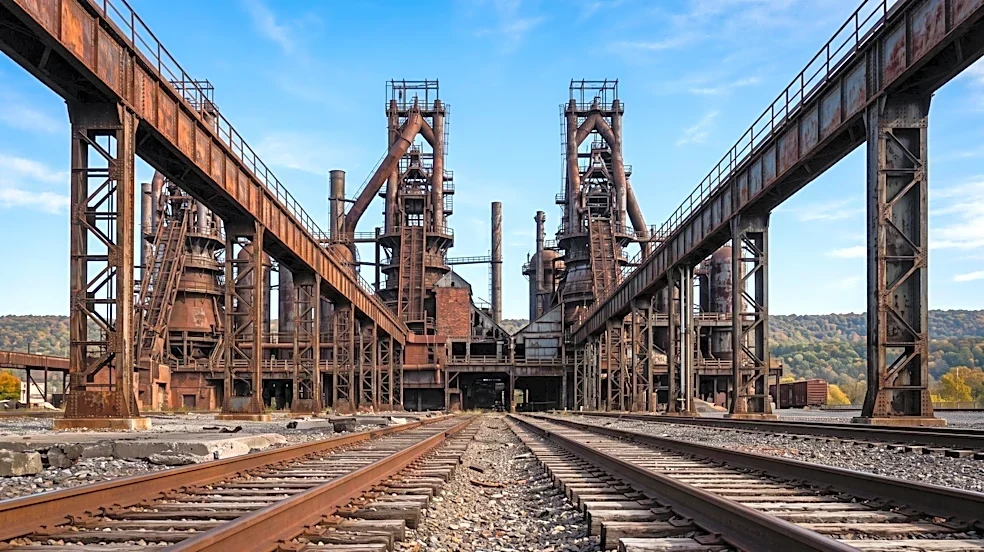
Luzerne County, Pennsylvania, is undergoing a significant economic transformation, moving away from its historical reliance on coal mining, railroads, and heavy industry. The county, which includes Shavertown, a borough along the Susquehanna River, is now
focusing on healthcare, education, retail, and logistics. This shift is particularly evident in the growth of its western suburbs. The Knox Mine Disaster of 1959 is cited as a pivotal event that effectively ended large-scale anthracite mining in the region, forcing the county to adapt its economic strategy. Shavertown, while maintaining its distinct residential character, is closely linked to these broader county-wide trends. The borough, one of 76 municipalities in Luzerne County, is governed by a mayor and a seven-member council, managing local services from zoning to public safety. The county seat is Wilkes-Barre, and the area is geographically defined by the Wyoming Valley and flanked by the Pocono Plateau and Endless Mountains.
Why It's Important?
This economic transition in Luzerne County is important as it reflects a broader trend seen in many former industrial regions across the U.S. Rust Belt. The move from a resource-extraction economy to a service-oriented one presents both challenges and opportunities for communities like Shavertown. The diversification into sectors such as healthcare and logistics can create more stable and varied employment opportunities, reducing vulnerability to single-industry downturns. However, it also necessitates retraining the workforce and attracting new businesses, which can be a complex process. The demographic shift, with population centers moving from older industrial cores to suburban areas, impacts local governance, infrastructure needs, and community identity. The revitalization efforts in areas like the Wilkes-Barre Riverfront demonstrate a strategic approach to economic renewal, aiming to attract residents and businesses by transforming derelict industrial land into vibrant hubs. This shift can serve as a model for other regions facing similar post-industrial challenges.
What's Next?
Shavertown and Luzerne County are at a critical juncture, needing to balance development pressures with the preservation of local character. Future steps will likely involve thoughtful zoning regulations to manage new residential developments on the borough's outskirts, ensuring sustainable growth. Continued investment in public spaces and fostering a business environment supportive of local enterprises will be crucial for the county's long-term success. The interplay between county-level services and local ordinances will continue to shape the daily lives of residents, with local governments playing a key role in responding to community needs. Infrastructure development, particularly along major thoroughfares like Pennsylvania Route 309 and Interstate 81, will remain vital for connecting residents to employment centers and cultural institutions. The ongoing revitalization of areas like the Wilkes-Barre Riverfront is expected to continue driving interest and development in surrounding communities, including Shavertown, as the county sheds its industrial past and embraces a diversified future.
Beyond the Headlines
The narrative of Luzerne County's economic evolution highlights the profound societal and cultural shifts that accompany industrial decline and subsequent revitalization. The 'blue-collar heritage' of Shavertown, rooted in coal mining and heavy industry, represents a strong work ethic and tight-knit community bonds. As the economy diversifies, there's a potential for a generational divide between those who remember the industrial past and those who are part of the new service-oriented economy. This transition can lead to questions of identity and belonging, as communities grapple with preserving their historical character while embracing modern development. The impact of climate change, particularly concerning the Susquehanna River's floodplain and the memory of past floods, underscores the need for resilient infrastructure and careful planning. This ongoing adaptation reflects a broader national challenge for regions seeking to redefine themselves in a post-industrial landscape, balancing economic progress with environmental stewardship and cultural preservation.