




What's Happening?
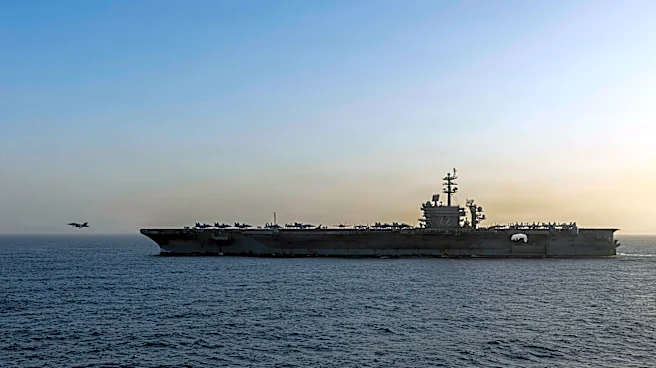
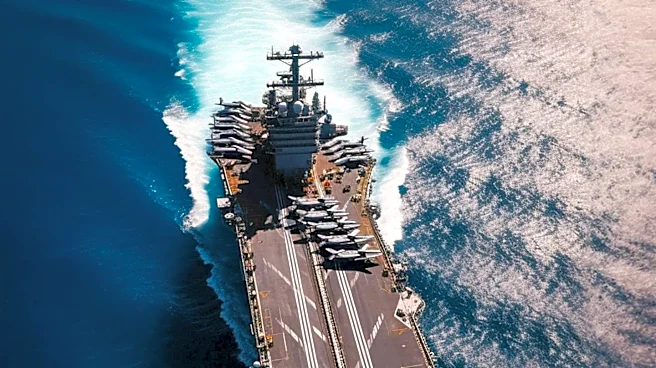
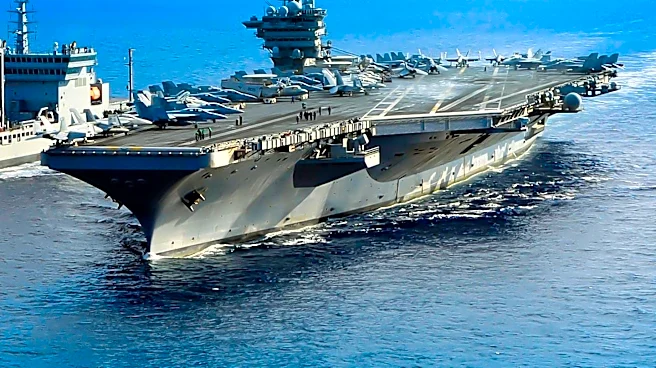
Lawmakers are raising concerns about the conditions aboard the USS Abraham Lincoln, an aircraft carrier currently deployed in the Middle East as part of U.S. operations in the war with Iran. Reports have emerged of deteriorating mental health among the crew,
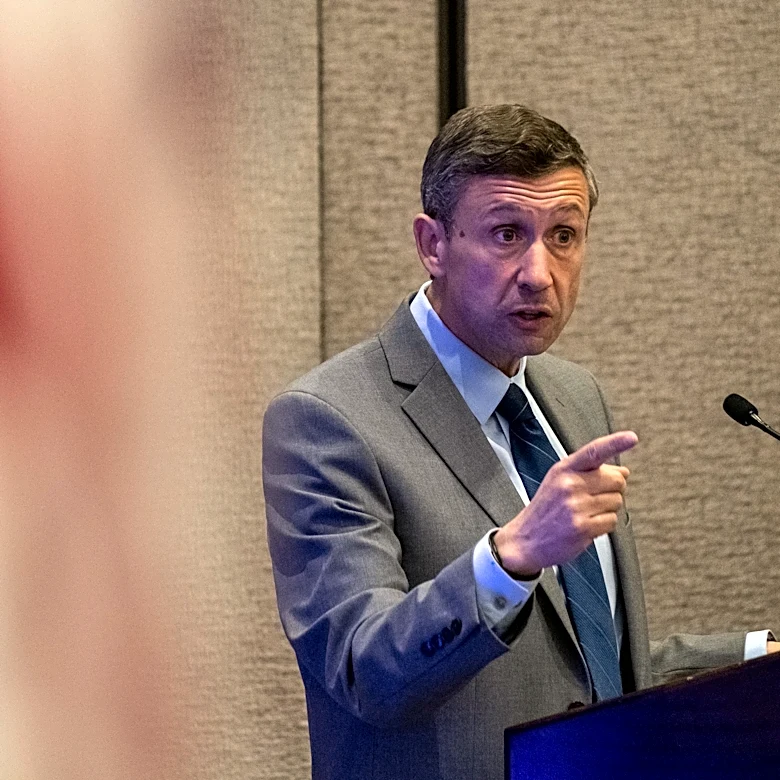
with incidents of sailors attempting to jump overboard. The ship has been at sea for over 250 days without a port call, setting a modern-day record. Democratic lawmakers, including Sen. Richard Blumenthal, have expressed serious concerns about the length of the deployment and the living conditions on the ship, citing shortages of basic supplies, water contamination, and disruptions in the mail system. The Navy has stated that they have not observed an increase in suicidal ideations or attempts, but family members of the crew have voiced significant concerns during town hall meetings.
Why It's Important?
The situation aboard the USS Abraham Lincoln highlights the potential human cost of extended military deployments. The mental health of service members is a critical issue, and the reports of deteriorating conditions could impact morale and readiness. The concerns raised by lawmakers and family members underscore the need for the military to address the well-being of its personnel, especially during prolonged deployments. The situation also raises questions about the sustainability of current military operations and the potential for a 'readiness crisis' if such conditions persist. The Navy's response and any subsequent actions could have implications for military policy and the treatment of service members in similar situations.
What's Next?
The USS George Washington is set to replace the USS Abraham Lincoln in the Middle East, although the exact timing of this swap is unclear. Lawmakers are likely to continue pressing for answers and improvements in conditions aboard the Lincoln. The Navy may face increased scrutiny regarding its handling of mental health issues and the overall welfare of its personnel. The outcome of these inquiries could lead to changes in deployment policies or additional support measures for service members. The situation may also prompt broader discussions about military readiness and the impact of extended deployments on personnel.