




What's Happening?
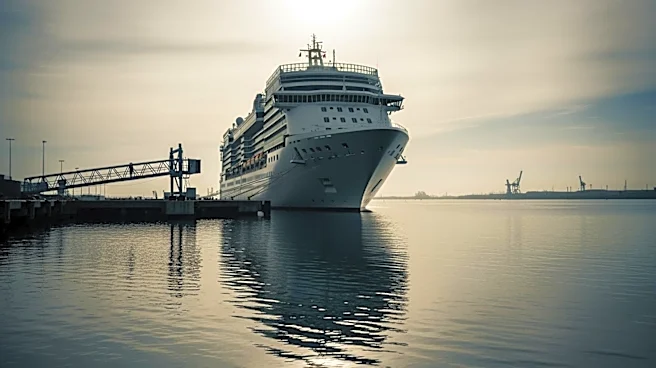
The British Army executed a historic operation by deploying paratroopers and medical personnel to Tristan da Cunha, a remote Atlantic island, to assist a UK national suspected of contracting hantavirus aboard the MV Hondius cruise ship. The operation involved
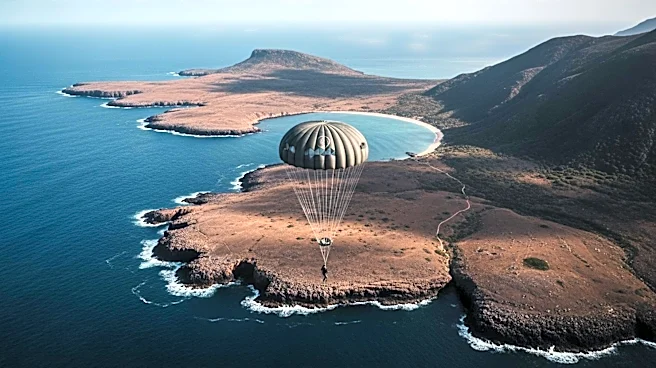
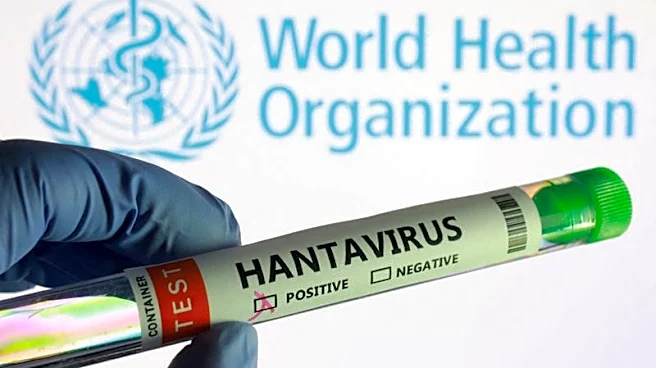
six paratroopers and two medical clinicians from the 16 Air Assault Brigade parachuting from an Airbus A400M Atlas onto the island, which lacks an airstrip and is only accessible by boat. The airdrop included over 3.5 tons of medical supplies to help manage a potential outbreak. The unidentified Briton, who disembarked from the virus-stricken ship on April 14, is in isolation and reportedly in stable condition. The World Health Organization has reported two suspected and six confirmed hantavirus cases, with three fatalities among passengers. The UK Ministry of Defense noted this as the first instance of parachuting medical personnel for humanitarian purposes.
Why It's Important?
This operation underscores the British Army's capability to conduct complex humanitarian missions in challenging environments. The deployment highlights the global health risks posed by infectious diseases like hantavirus, which can spread rapidly in confined settings such as cruise ships. The successful airdrop demonstrates the importance of rapid response and international cooperation in managing health crises. The operation also emphasizes the need for preparedness in remote regions, which may lack immediate access to medical facilities. The situation could influence future policies on health crisis management and military involvement in humanitarian aid.
What's Next?
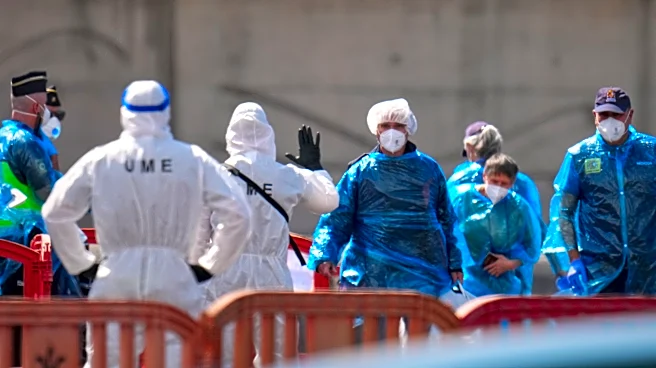
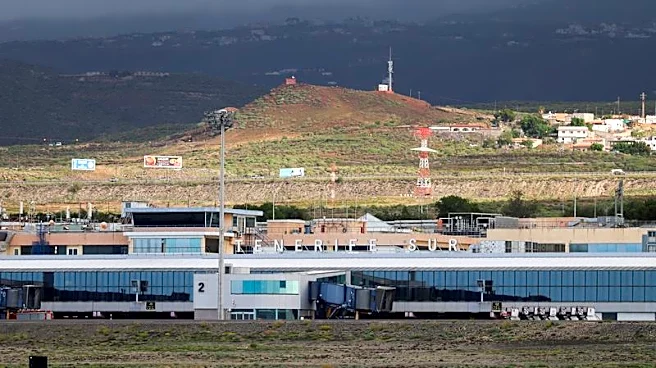
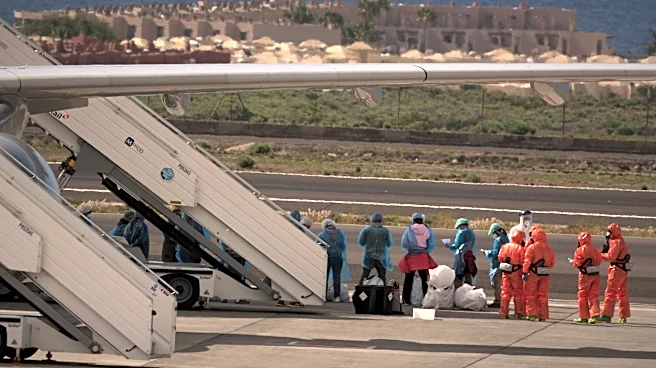
Following the airdrop, the focus will be on monitoring and treating the remaining passengers of the MV Hondius. The 147 passengers are being disembarked in Tenerife for further observation before returning to their home countries. The 22 British passengers will undergo a 45-day isolation period upon their return to the UK. The operation may prompt discussions on improving health protocols on cruise ships and enhancing international collaboration in health emergencies. The UK Ministry of Defense and health organizations will likely evaluate the operation's effectiveness to refine future response strategies.