






What's Happening?
A 44-year-old Lakewood man, Leonardo Gonzalez, who was employed by a private body transport company, has been indicted on charges of burglary and grand theft. Police allege that Gonzalez returned to a Montville Township home and stole a firearm just hours
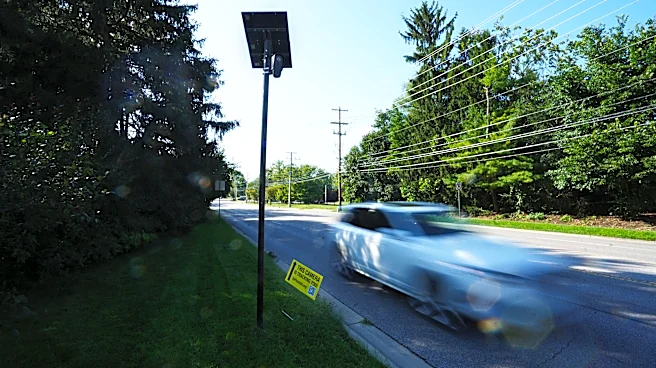
after he had removed the body of a deceased resident from the premises. The incident began on July 23 when officers responded to a natural death at the Montville Township residence. Gonzalez, sent by a third-party transport company contracted by the funeral home, reportedly commented on a firearm in the home during the body removal. Approximately two hours after the deceased was removed, a vehicle associated with the transport service was captured by Flock license plate reader cameras returning to the residence and leaving several minutes later. The victim's family subsequently discovered the home had been entered and contacted the Montville Police Department, initiating an investigation that utilized Flock cameras, a neighbor's security footage, and interviews. Gonzalez later admitted to breaking in and stealing the firearm, which he subsequently turned over to investigators.
Why It's Important?
This incident highlights significant vulnerabilities in the security of homes following a death, particularly when third-party services are involved. The alleged exploitation of a sensitive situation by an individual entrusted with a professional duty raises serious ethical and legal concerns. It underscores the importance of rigorous background checks and oversight for personnel in roles that grant access to private residences during vulnerable times. For families, the case serves as a stark reminder of the need to secure valuables immediately after a death, as criminal justice reporting indicates that home security risks can peak during this period. The use of Flock license plate reader cameras was crucial in the investigation, demonstrating the increasing role of surveillance technology in solving crimes. The charges, particularly grand theft involving a firearm, carry severe penalties under Ohio law, reflecting the gravity of the offense and the potential danger associated with stolen firearms.
What's Next?
Leonardo Gonzalez has been indicted by a Medina County grand jury on charges of burglary and grand theft involving a firearm. He was arrested and held on a $50,000 bond, which he posted, allowing his release pending further legal proceedings. The case will now move through the judicial system, where Gonzalez will face trial. Under Ohio law, grand theft of a firearm is a third-degree felony, carrying a statutory presumption of prison time ranging from one to five years. Burglary of an occupied structure can be a second or third-degree felony, with sentences ranging from one to eight years, depending on whether residents were present or likely to be present. The Montville Police Department has stated it will continue to follow the evidence and utilize all lawful investigative resources. It remains unclear whether the private transport company or the contracting funeral home conducts background screenings on their personnel, which may become a point of inquiry as the case progresses.
Beyond the Headlines
This case delves into the less-discussed ethical dimensions of services provided during times of grief and vulnerability. The alleged breach of trust by a body transport worker exposes a potential gap in oversight within the broader funeral services industry, particularly concerning subcontractors. It raises questions about the due diligence exercised by funeral homes when engaging third-party transport services and the extent of their responsibility for the conduct of these contractors. The incident also underscores a disturbing pattern, albeit rare, of individuals exploiting knowledge gained in sensitive professional capacities for criminal gain, as evidenced by a similar case in Oregon. This could prompt calls for enhanced regulations, stricter licensing requirements, and more comprehensive background checks for all personnel involved in handling deceased individuals and accessing private homes. Ultimately, the case highlights the profound impact of such violations on grieving families, who are already in a state of emotional distress and deserve the utmost respect and security.