




What's Happening?
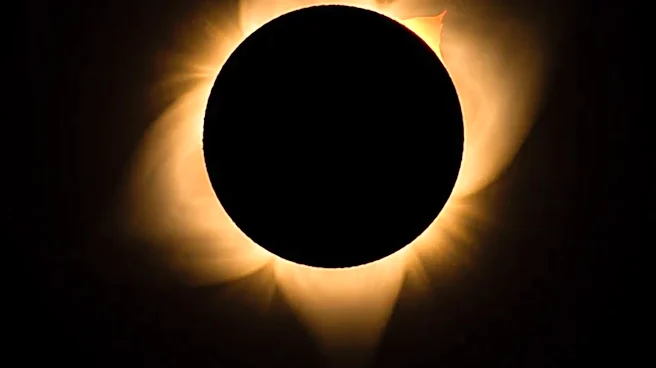
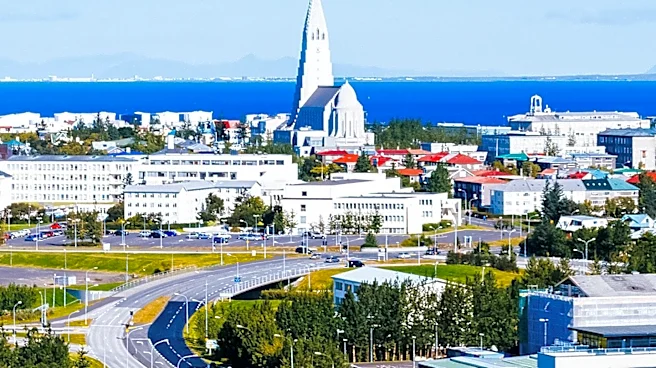
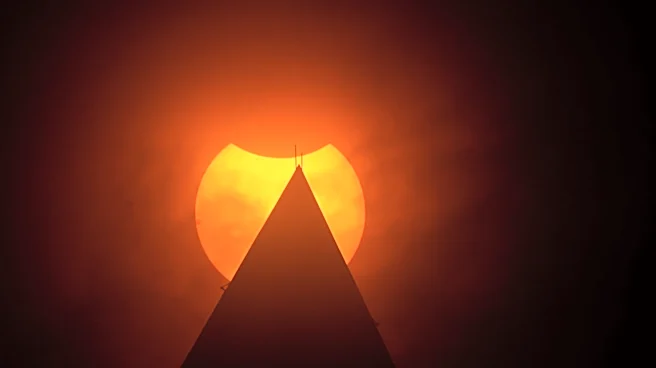
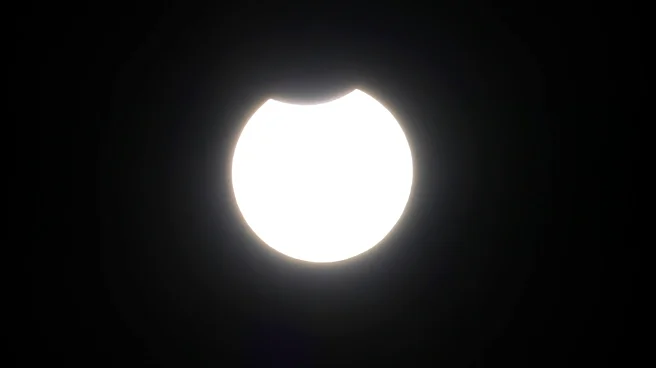
In Reykjavik, Iceland, hotel and short-term rental prices surged to over $1,000 a night due to a rare total solar eclipse visible on August 12, 2026. This astronomical event, which also affected other parts of Europe such as the U.K., northern Spain,
Greenland, and Portugal, led to a significant increase in travel demand. According to data from Lighthouse Intelligence, hotel prices in Reykjavik averaged $1,012 per night during the eclipse week, doubling the rates from the same period in 2025. Short-term rentals saw an even steeper increase, averaging $1,172 per night, marking a 178% rise from the previous year. Despite the initial high prices, last-minute discounts were observed, with rates dropping by 46% to 51% closer to the event date.
Why It's Important?
The surge in hotel prices highlights the economic impact of rare celestial events on local tourism industries. Such events attract a large number of visitors, providing a temporary but significant boost to the hospitality sector. For Reykjavik and other cities in the eclipse's path, this influx of tourists translates into increased revenue for hotels, restaurants, and other local businesses. However, it also raises questions about the sustainability of such pricing strategies and their long-term effects on the destination's reputation. The event underscores the delicate balance between capitalizing on unique opportunities and maintaining fair pricing practices to ensure a positive visitor experience.
What's Next?
As the eclipse passes, the immediate focus will shift to evaluating the economic benefits and potential drawbacks of the pricing strategies employed. Hospitality businesses may analyze the effectiveness of their pricing models and consider adjustments for future events. Additionally, local governments and tourism boards might explore ways to leverage the increased visibility and interest in their regions to promote sustained tourism growth. The experience could also inform strategies for managing similar events in the future, ensuring that both businesses and visitors benefit from such opportunities.