



What's Happening?
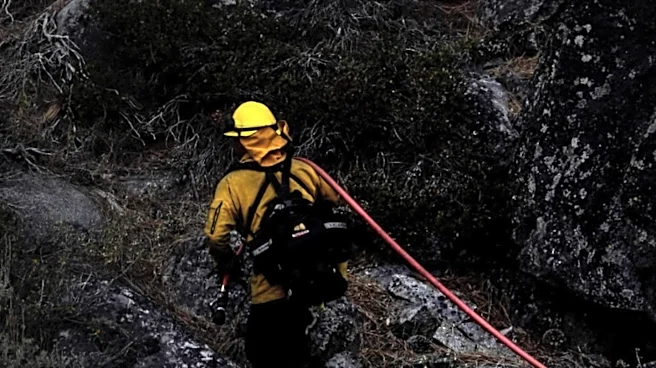
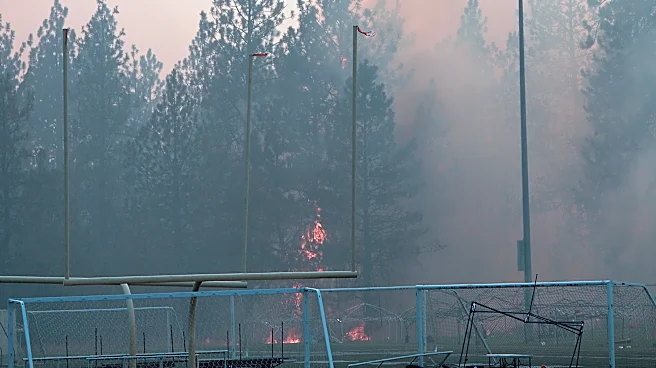
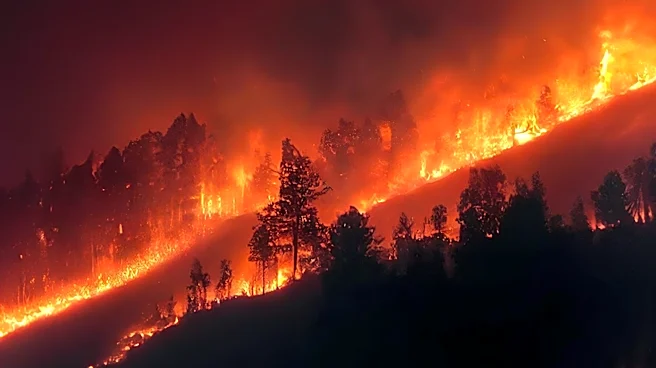
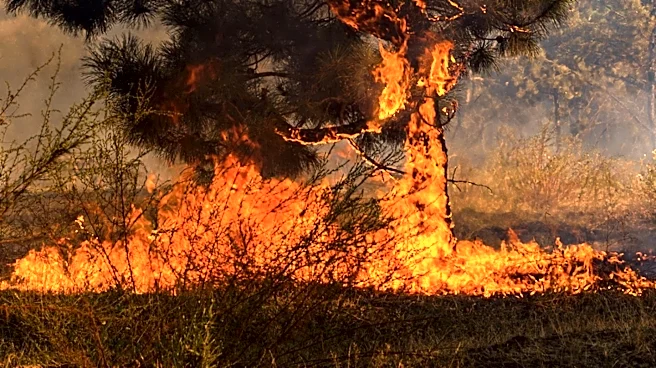
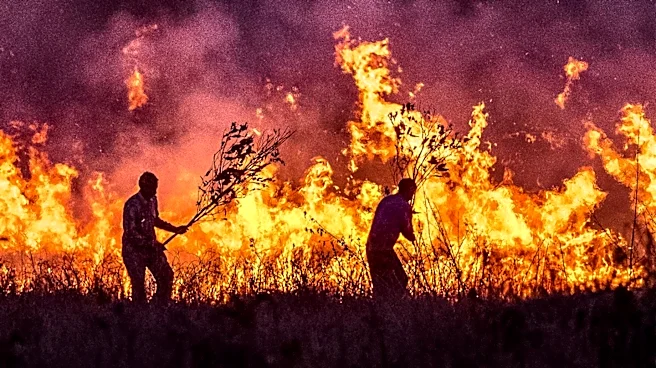
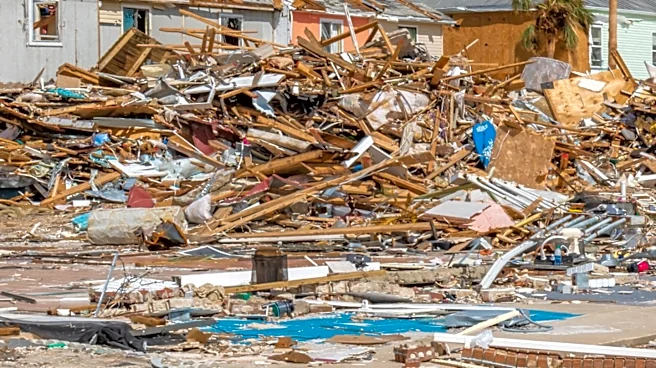
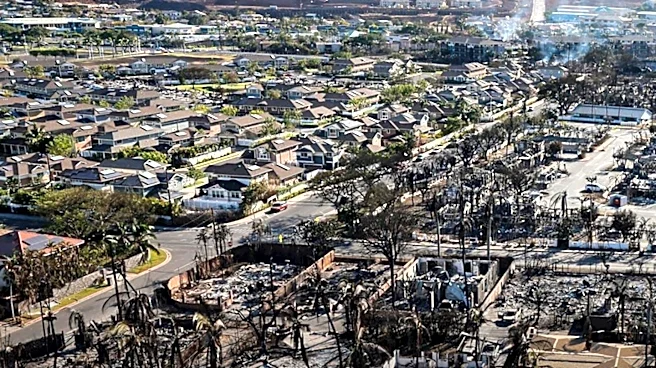
Wildfires in eastern Washington state have led to the evacuation of approximately 5,000 homes and the destruction of about 600 structures, including homes and businesses. The fires, which remain uncontained, have burned over 8.2 square miles around Spokane,
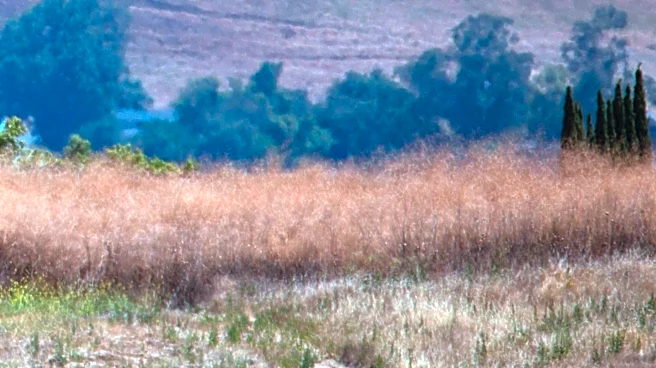
the state's second-largest city. The National Weather Service has issued a red flag alert for the area, indicating particularly dangerous fire conditions. High winds and steep canyons are exacerbating the situation, making firefighting efforts more challenging. Governor Bob Ferguson has declared a state of emergency, and air quality warnings have been issued due to the smoke from the fires.
Why It's Important?
The wildfires in Washington state highlight the increasing frequency and intensity of such events, likely exacerbated by climate change. The destruction of homes and businesses poses significant economic challenges for the affected communities, while the evacuations disrupt the lives of thousands of residents. The fires also strain local and federal firefighting resources, as they are part of a broader pattern of wildfires across the western United States. The situation underscores the need for effective disaster preparedness and response strategies, as well as long-term environmental policies to mitigate the impact of climate change.
What's Next?
Efforts to contain the fires are ongoing, with additional firefighting resources being mobilized from other states. The National Weather Service's red flag alert remains in effect, and authorities are closely monitoring weather conditions that could influence the fires' behavior. Residents are advised to stay informed about evacuation orders and air quality alerts. The state government is coordinating with federal agencies to secure additional support, and Governor Ferguson has requested assistance from the federal government and FEMA.