


What's Happening?
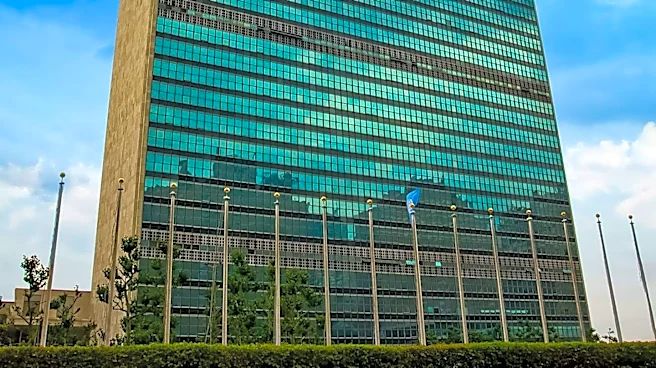
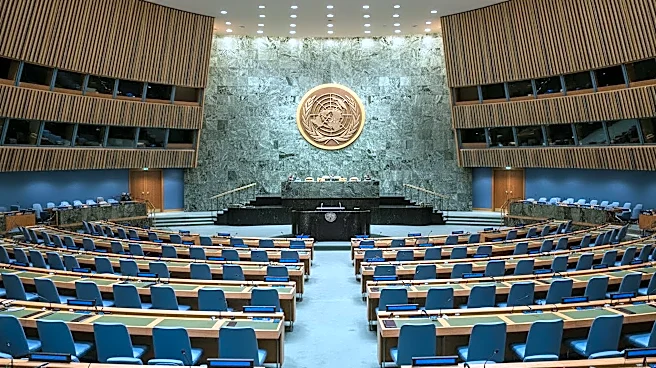
Mali is actively pursuing formal recognition from the United Nations for the Alliance of Sahel States (AES), a confederation formed in September 2023 with Burkina Faso and Niger. This diplomatic push, led by Malian Foreign Minister Abdoulaye Diop, aims
to integrate the AES into the UN's strategic assessment of the region. The three nations collectively decided to withdraw from the Economic Community of West African States (ECOWAS) in January 2025, citing ECOWAS's perceived alignment with Western powers and its failure to effectively address regional security challenges. By advocating for UN inclusion, Mali seeks to compel the international community to acknowledge the evolving political and security landscape of the continent and treat the AES as a legitimate and emerging regional bloc on the global stage. This strategy also involves a significant shift in military and diplomatic ties away from traditional Western partners towards strategic cooperation with Russia, with the goal of acquiring advanced military technology and building independent defense capabilities.
Why It's Important?
This development signifies a direct challenge to the established political and security architecture in West Africa, potentially reshaping regional alliances and international influence. The AES's pursuit of UN recognition, coupled with its pivot towards Russia, could diminish the influence of traditional Western powers and organizations like ECOWAS in the Sahel. For the U.S., this shift could complicate counter-terrorism efforts and strategic interests in a region grappling with instability. The increased Russian presence, through military and diplomatic ties, introduces a new dynamic to the geopolitical competition in Africa. Furthermore, the AES's desire for autonomy and self-reliance, as articulated by Malian Foreign Minister Abdoulaye Diop, reflects a broader trend among some African nations to diversify partnerships and reduce dependency on former colonial powers, potentially impacting future aid, trade, and security agreements with the U.S. and its allies.
What's Next?
Mali's request for UN recognition of the AES will likely trigger discussions and potential diplomatic maneuvering within the United Nations, as member states assess the implications of acknowledging a new regional bloc that has broken away from an established organization like ECOWAS. The UN delegation, led by former Ethiopian President Sahle-Work Zewde, will need to consider Mali's arguments regarding the changing political and security realities in the Sahel. Concurrently, the AES nations are expected to continue strengthening their military and diplomatic ties with Russia, potentially leading to further security agreements and arms deals. This realignment could prompt reactions from ECOWAS and Western nations, who may seek to counter the growing Russian influence or re-engage with the AES states under new terms. The long-term stability and effectiveness of the AES as a confederation, particularly in addressing regional security challenges, will be closely watched, as will its ability to secure broader international acceptance.
Beyond the Headlines
The push for UN recognition by the AES highlights a deeper struggle for sovereignty and self-determination among some African nations, challenging the post-colonial order and seeking to redefine their place in global geopolitics. The narrative of 'breaking away from dependency patterns' resonates with a desire to assert greater control over national and regional destinies, moving beyond traditional power dynamics. This shift also raises questions about the future of regional organizations like ECOWAS and their ability to maintain cohesion and address internal dissent. Ethically, the move towards new alliances, particularly with powers like Russia, could have implications for human rights and democratic governance, depending on the nature of these partnerships. Culturally, it represents a reassertion of African agency, seeking to forge new paths independent of historical influences, which could inspire similar movements in other parts of the continent.