
What's Happening?
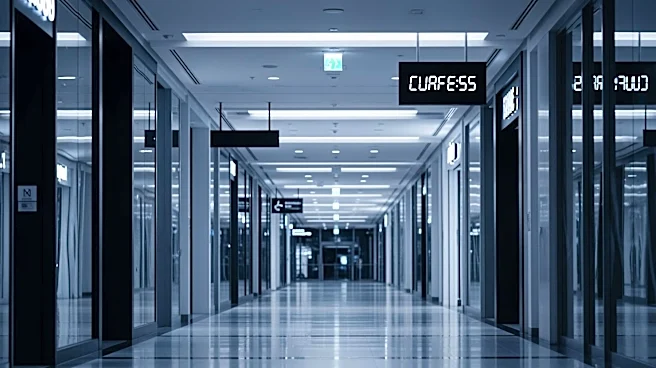
Several U.S. cities are responding to disruptive gatherings known as 'TikTok takeovers' at shopping malls by implementing curfews for unaccompanied teenagers. These events, characterized by large groups
of teenagers congregating and sometimes causing property damage, have prompted cities like Houston, Fresno, Milwaukee, Chicago, Charlotte, and Philadelphia to take action. For instance, the Willowbrook Mall in Houston has scheduled curfews for May 2 and 9. The trend of these gatherings coincides with a challenging period for shopping malls, with predictions that only 900 of the current 1,200 malls will remain operational by 2028. In response to incidents such as the one at Bay Plaza Mall in the Bronx, which resulted in 18 arrests, officials have reached out to social media platforms like TikTok, Meta, Snapchat, and YouTube to curb the spread of these events.
Why It's Important?
The implementation of curfews and other measures highlights the growing concern over the impact of social media-driven gatherings on public safety and property. Shopping malls, already facing economic challenges, are further strained by these events, which can lead to temporary closures and increased security costs. The trend underscores the influence of social media in organizing large-scale gatherings and the challenges it poses to law enforcement and community safety. The response from cities and mall owners reflects a broader effort to maintain order and protect businesses from potential disruptions.
What's Next?
As cities continue to grapple with the phenomenon of 'TikTok takeovers,' further measures may be implemented to prevent such gatherings. This could include increased collaboration between law enforcement and social media companies to monitor and manage the spread of event information. Additionally, malls may explore more permanent security solutions or community engagement strategies to address the root causes of these gatherings. The ongoing dialogue between officials and social media platforms will be crucial in developing effective strategies to mitigate the impact of these events.