


What's Happening?
Congresswoman Grace Meng has introduced three federal bills aimed at increasing accountability and transparency for Immigration and Customs Enforcement (ICE) operations. This legislative push comes in response to a reported doubling of ICE activities
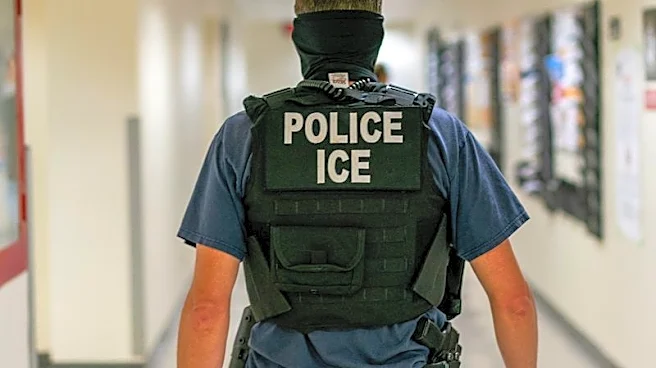
in New York City in July, particularly in Queens neighborhoods like East Elmhurst, Corona, and University Point, where residents have reported street stops, vehicle interceptions, and interactions with masked ICE agents near residences. Meng criticizes these enforcement methods, stating that ICE is instilling fear in schools, small businesses, and immigrant families. The proposed bills include the Uniform Standards for Federal Law Enforcement Act, which seeks to codify existing Department of Homeland Security law enforcement policies into federal law to provide a legal basis for congressional and judicial oversight of alleged misconduct. The Safe Check-Ins for Immigrants Act would allow eligible individuals undergoing legal immigration processes to attend required hearings or check-ins remotely, reducing the risk of detention during routine visits. Lastly, the ICE Badge Visibility Act mandates that ICE agents clearly display their badges and agency identification during operations and prohibits them from wearing masks to enhance transparency and accountability.
Why It's Important?
These legislative efforts are important for several reasons. Firstly, they address growing concerns about the conduct and oversight of federal law enforcement agencies, particularly ICE, which has faced criticism regarding its operational tactics and impact on immigrant communities. By seeking to codify existing policies and introduce new transparency measures, Congresswoman Meng aims to establish clearer legal frameworks for accountability, potentially reducing instances of perceived misconduct and increasing public trust. Secondly, the proposed Safe Check-Ins for Immigrants Act could significantly alleviate anxiety and practical barriers for immigrants navigating the legal immigration system, allowing them to comply with requirements without fear of immediate detention. This could foster a more humane and efficient immigration process. Lastly, the increased ICE activity in New York City, as reported by Hands Off NYC, highlights a broader national debate on immigration enforcement strategies and their societal implications. Meng's actions reflect a legislative response to local community concerns, aiming to balance enforcement with civil liberties and community safety.
What's Next?
Congresswoman Meng has stated her commitment to advancing these three legislative measures to become law, emphasizing the need for Congress to prevent federal agencies from operating without proper oversight and accountability. The bills will now proceed through the legislative process, requiring committee review, potential amendments, and votes in both the House and Senate. Their passage will depend on gaining sufficient bipartisan support, which may be challenging given the contentious nature of immigration policy in the U.S. Concurrently, New York Governor Hochul and New York City Mayor Adams have announced funding to provide legal representation for unaccompanied minors facing immigration proceedings, indicating a broader effort at the state and local levels to support immigrant communities. The ongoing debate and legislative actions will likely continue to shape the future of immigration enforcement and the rights of immigrants in the United States.
Beyond the Headlines
Beyond the immediate legislative proposals, this situation underscores a deeper tension between federal immigration enforcement priorities and the values and needs of local communities, particularly in sanctuary cities or immigrant-dense areas. The reported increase in ICE operations and the use of tactics like masked agents can erode trust between law enforcement and the communities they operate within, potentially making residents less likely to cooperate on other public safety matters. The push for remote check-ins and badge visibility reflects a broader societal demand for transparency and due process in government actions. This legislative initiative also highlights the role of individual lawmakers in responding to constituent concerns and advocating for systemic changes in federal agencies. The outcome of these bills could set precedents for how federal law enforcement agencies are regulated and held accountable, influencing future policies on immigration and civil liberties across the nation.