



What's Happening?
The U.S. Army has postponed the planned detonation of several tons of lead azide, a bomb-making chemical, at the Iowa Army Ammunition Plant in Middletown. Originally scheduled for Friday, the detonation has been moved to Monday, November 23, following
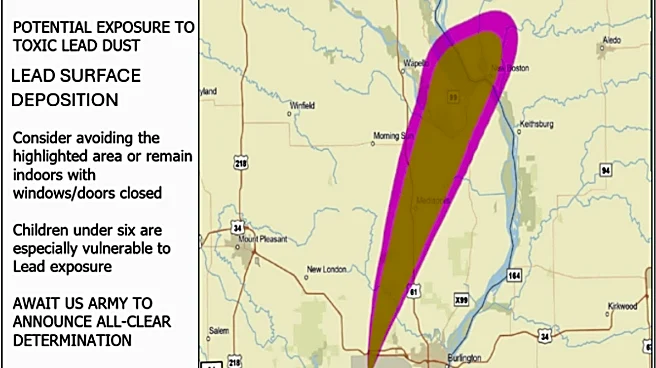
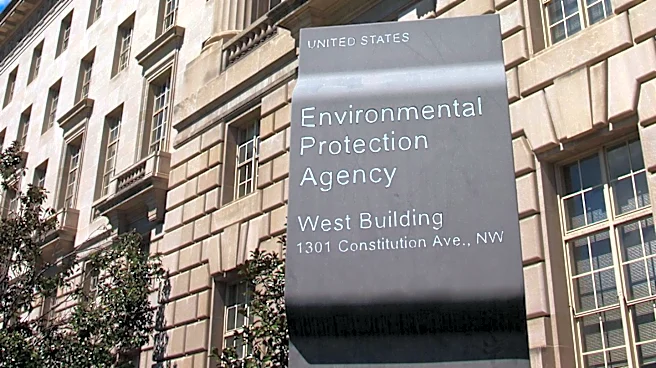
significant public concern regarding potential environmental contamination and health risks from a lead dust cloud. Iowa Governor Kim Reynolds was among those who called for the delay, and environmental groups filed a lawsuit seeking to halt the plan entirely. Acting Secretary of the Army Adam Telle stated the delay is to postpone the detonation until the latest possible moment before a forecasted temperature drop, which could further destabilize the material. The Army discovered degrading lead azide in bunkers earlier this year, creating a highly unstable situation, and determined controlled detonation was the lowest-risk option in coordination with the Environmental Protection Agency (EPA).
Why It's Important?
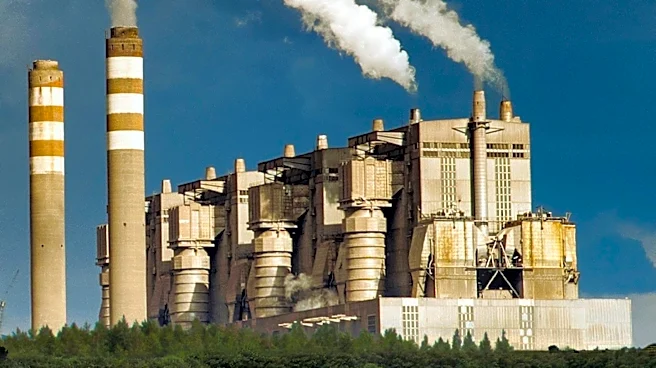
This postponement highlights the critical balance between public safety, environmental protection, and the management of hazardous military materials. The public outcry and legal challenges underscore a lack of trust and communication regarding the potential impacts of such operations on surrounding communities. Lead azide is extremely dangerous, and its degradation poses an immediate threat of accidental detonation. However, the proposed controlled detonation raises concerns about lead dispersal, a known neurotoxin, which could have long-term health consequences, especially for children, and contaminate local ecosystems. The incident also brings to light the challenges faced by the Army in safely disposing of aging or unstable munitions, emphasizing the need for transparent communication and thorough consideration of all alternatives to mitigate risks to human health and the environment.
What's Next?
The Army plans to proceed with the controlled detonation on Monday, November 23, unless further legal action or unforeseen circumstances intervene. Environmental groups, including the Sierra Club, are continuing their legal efforts to cancel the detonation outright, arguing for safer alternatives. The Army will likely intensify its communication efforts with state and local officials and the public to provide updated information and address ongoing concerns. Experts will continue to monitor weather conditions to ensure optimal safety parameters for the detonation. The incident may also prompt a review of protocols for handling and disposing of hazardous materials at military installations nationwide, potentially leading to stricter regulations and improved public notification procedures.
Beyond the Headlines
This event at the Iowa Army Ammunition Plant exposes deeper issues concerning the legacy of military industrial operations and their environmental footprint. The presence of degrading hazardous materials like lead azide points to the long-term challenges of managing and decommissioning old munitions. It also underscores the tension between national security imperatives and local community well-being. The public's reaction reflects a growing demand for greater transparency and accountability from government agencies regarding activities that could impact public health and the environment. This situation could serve as a catalyst for broader policy discussions on environmental justice, the safe disposal of military waste, and the need for comprehensive risk assessments that genuinely engage affected communities in decision-making processes. The incident highlights the complex ethical and practical dilemmas involved in balancing national defense needs with environmental stewardship.