
What's Happening?
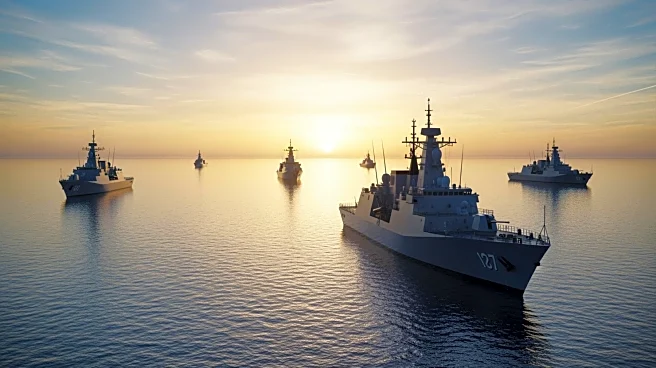
China, along with its BRICS allies, has initiated a naval exercise named 'Will for Peace 2026' in South African waters. This exercise, which includes Brazil, Russia, India, and South Africa, aims to enhance
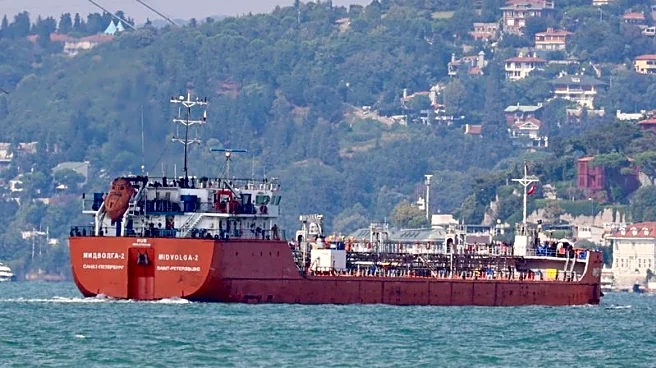
the ability of these nations to safeguard trade routes and economic activities at sea. The drill focuses on joint maritime safety operations and interoperability drills. The Chinese military has stated that the exercise is designed to deepen cooperation among the participating nations and improve their ability to tackle maritime threats. The exercise comes at a time when the U.S. has seized Venezuela-linked oil tankers, including one under Russia's state flag, highlighting the geopolitical tensions in maritime regions.
Why It's Important?
The BRICS naval exercise underscores the growing influence of the group as an alternative to Western-led alliances like the G7. By conducting such exercises, BRICS nations aim to strengthen their political and economic cooperation, particularly in maritime security. This is significant as China, which has the world's largest navy by hull count, seeks to expand its presence beyond East Asia. The exercise also reflects a shift in global power dynamics, with BRICS countries asserting their role in maintaining regional stability and security. The involvement of countries like Iran and Russia further highlights the geopolitical implications, as these nations seek to counterbalance U.S. influence in global maritime affairs.
What's Next?
The continuation of such exercises could lead to a more permanent naval collaboration among BRICS nations, potentially establishing a recurring 'Will for Peace' series. This could enhance the naval capabilities of member states and further solidify their cooperation in maritime security. The exercise may also prompt reactions from Western nations, particularly the U.S., as they monitor the growing military collaboration among BRICS countries. Future exercises could see increased participation from other BRICS Plus countries, expanding the scope and impact of these drills.
Beyond the Headlines
The naval exercise highlights the strategic importance of maritime security in global trade and geopolitics. It also raises questions about the balance of power in international waters and the role of emerging economies in shaping global maritime policies. The exercise could influence future diplomatic and military strategies, as BRICS nations seek to establish a maritime community with shared security interests. This development may also impact global shipping routes and economic activities, as countries reassess their maritime alliances and security measures.