






What's Happening?
The Federal Communications Commission (FCC) has added foreign-produced connected power inverters to its Covered List, citing national security risks. This decision could significantly impact the availability of portable power stations, home battery backup
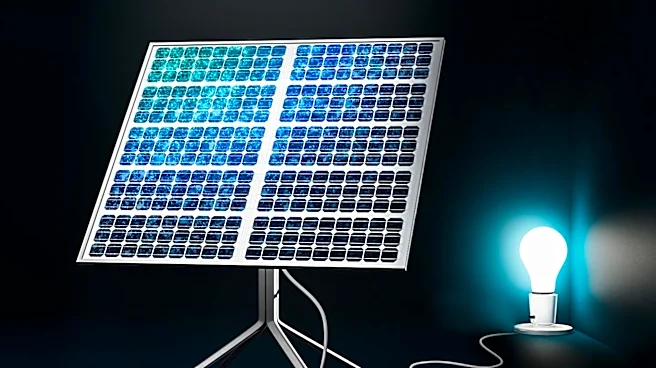
systems, and residential solar installations in the U.S. The ruling targets the inverters' connectivity, which allows them to communicate with batteries, solar panels, and the grid. The FCC's action is part of a broader effort to regulate devices that could pose security threats, but it has raised concerns about its potential to disrupt the growing market for home energy solutions.
Why It's Important?
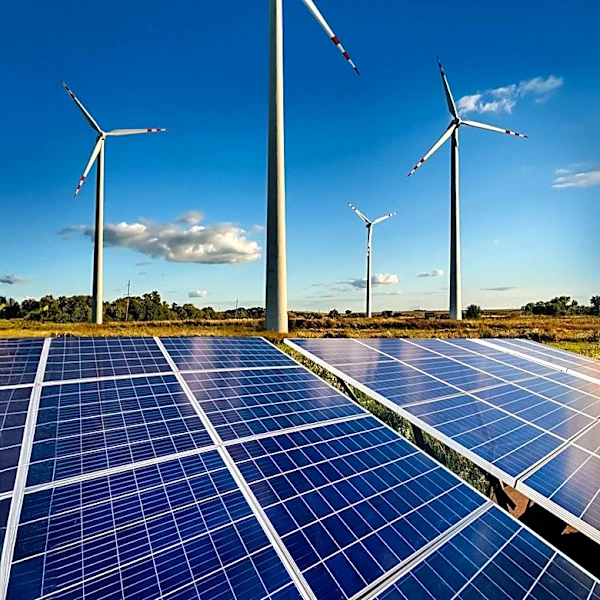
The FCC's decision could hinder the growth of the home energy sector, which has seen increased adoption of solar and battery storage systems by homeowners seeking energy independence and cost savings. The ruling may limit access to affordable inverters, which are crucial for converting solar energy into usable power. This could slow the transition to renewable energy and affect consumers who rely on these systems for backup power during outages. The decision also raises questions about the balance between national security and the promotion of clean energy technologies.
What's Next?
The FCC's interpretation of 'connected power inverter' will determine the extent of the ban's impact. If broadly applied, it could restrict the import and sale of many inverters, affecting both large-scale solar farms and individual homeowners. The industry may need to adapt by developing domestic manufacturing capabilities or finding alternative solutions. Stakeholders, including manufacturers and environmental groups, are likely to challenge the ruling and advocate for a more nuanced approach that addresses security concerns without stifling innovation.
Beyond the Headlines
The ruling highlights the complex interplay between technology, security, and energy policy. It underscores the need for transparent discussions about the risks and benefits of connected devices in critical infrastructure. The decision also reflects broader geopolitical tensions, particularly with China, and raises concerns about the potential for regulatory actions to serve as de facto industrial policy. The outcome of this situation could set precedents for how emerging technologies are regulated in the future.