



What's Happening?
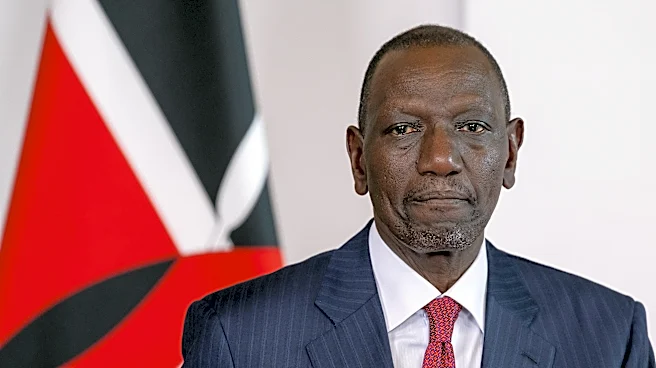
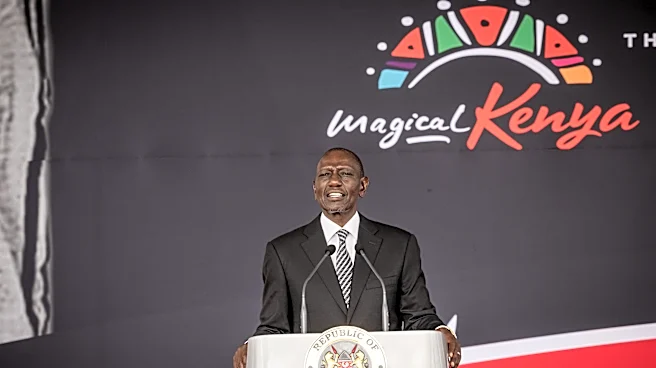
President William Ruto has announced a new plan to upgrade the Nairobi-Mombasa Highway to a dual carriageway, with the project slated to begin within the next year. The President made this declaration in Mombasa at the close of the Kenya Comprehensive
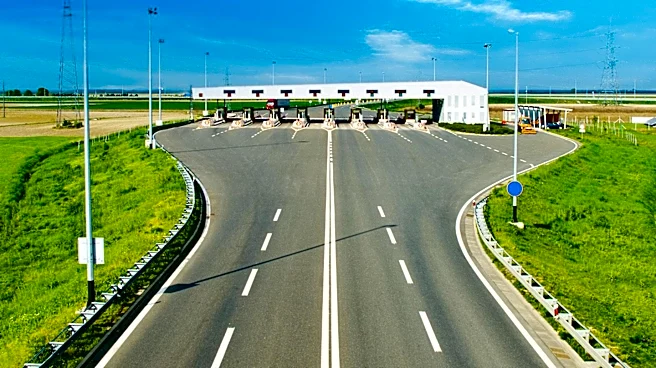
School Heads Association (KECSHA) National Annual General Meeting and Conference. This initiative aims to alleviate congestion, enhance road safety, and streamline the transportation of goods between the Port of Mombasa and the country's interior. The approximately 461-kilometer highway is a vital trade route, handling thousands of vehicles daily, including long-distance trucks, buses, and private cars. The expansion is expected to mitigate persistent traffic bottlenecks and reduce the incidence of head-on collisions often associated with overtaking on the current two-lane road. This announcement follows the government's decision to abandon a previous proposal by American investor Everstrong Capital for a new Nairobi-Mombasa expressway, which was rejected due to financial, technical, and viability concerns.
Why It's Important?
The Nairobi-Mombasa Highway is a critical economic artery for Kenya, connecting its capital to its largest seaport. Its expansion is crucial for improving the efficiency of trade and logistics, which directly impacts the cost of goods and overall economic productivity. The current single-carriageway design contributes to significant delays and a high rate of accidents, posing both economic and human costs. By dualing the highway, the government aims to reduce transit times, lower transportation costs, and enhance safety for commuters and commercial transporters. This infrastructure upgrade could stimulate economic growth in regions along the corridor and improve Kenya's competitiveness as a regional trade hub. The project also signals a shift in government strategy towards upgrading existing infrastructure rather than building entirely new routes, potentially offering a more cost-effective and less disruptive approach to development.
What's Next?
President Ruto indicated that further details regarding the project, including its estimated cost, financing mechanisms, and specific sections to be dualled first, will be unveiled soon. The government is currently working on arrangements to deliver this ambitious infrastructure project and has urged Kenyans to be patient. The focus will likely be on securing funding, potentially through public-private partnerships or government allocations, and engaging transaction advisers to assess engineering requirements and procurement. The shift from a new expressway to upgrading the existing highway suggests a more immediate and perhaps less complex implementation phase, as it avoids extensive new land acquisition. Stakeholders, including transport companies, logistics firms, and residents along the highway, will be keenly awaiting these details and the commencement of construction.
Beyond the Headlines
The decision to dual the existing Nairobi-Mombasa Highway, rather than construct a new expressway, carries broader implications for infrastructure development policy in Kenya. It suggests a pragmatic approach to leveraging existing assets and potentially reducing the environmental and social impact associated with new corridor development. The previous rejection of the privately initiated expressway project highlights the government's increased scrutiny of large-scale infrastructure proposals, emphasizing financial viability and technical soundness. This new plan could set a precedent for future infrastructure projects, prioritizing upgrades and expansions over entirely new constructions, especially in densely populated or environmentally sensitive areas. Furthermore, the project's success will be a key indicator of the government's ability to deliver on its infrastructure promises and manage complex, large-scale public works efficiently.