




What's Happening?
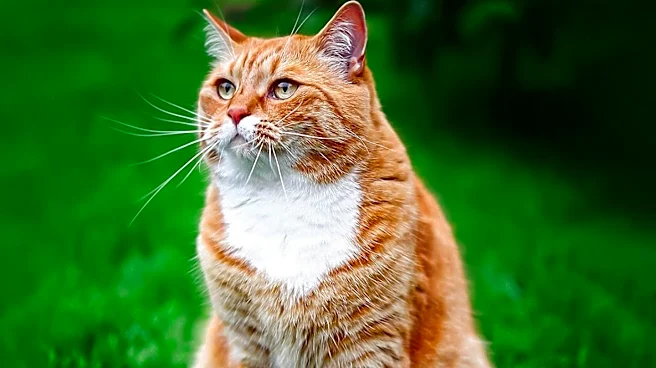
A recent study published in the journal Current Biology has revealed that cats use branched-chain fatty acids (BFAs) in their urine as unique chemical fingerprints to identify one another. Researchers found that unusual fat droplets in cat kidneys likely
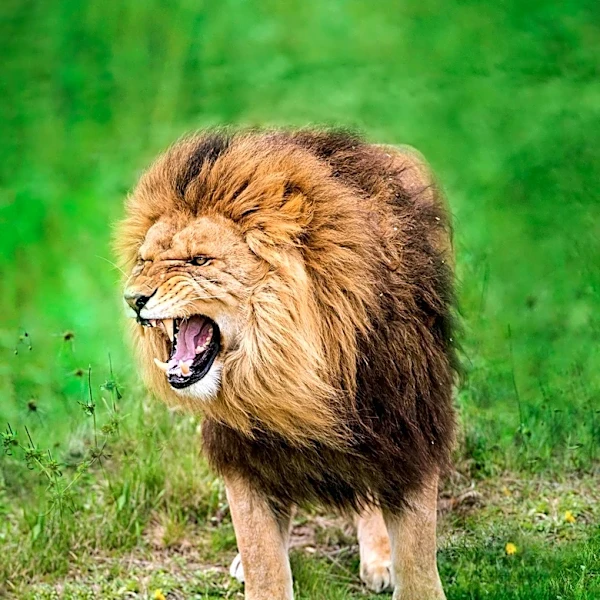
help maintain these distinct scent marks. While many animals use a combination of visual, audible, and scent cues, some, like insects and mice, rely on specific chemical signatures. The study investigated the 'flehmen response' in domestic cats, an open-mouthed expression used to draw chemicals into their vomeronasal organ. Cats showed this response less frequently to familiar urine samples but more often to new ones. By splitting urine samples into components, scientists identified BFAs as the key chemicals triggering the flehmen response. Each cat possesses a unique mix of BFAs, which remain stable for at least a day, providing consistent identifying information. These BFAs are stored in lipid droplets within the renal cortex of the kidney, a feature also observed in large cats like lions and tigers, suggesting an evolutionary significance.
Why It's Important?
This discovery significantly advances the understanding of feline communication and mammalian scent marking. For pet owners and veterinarians, this insight could lead to better understanding of cat behavior, social interactions, and potentially, early detection of health issues. The stability of BFA profiles, even after dietary or health changes, suggests a robust system for individual identification, which is crucial for territorial animals. The presence of similar mechanisms in large cats indicates a conserved evolutionary trait, highlighting the fundamental role of chemical communication across the feline family. This research opens new avenues for studying animal behavior, social structures, and the physiological processes behind scent production and maintenance. Understanding these chemical 'messages' could also inform conservation efforts for wild felines by providing non-invasive methods for monitoring populations and individual animals.
What's Next?
The research team plans to further investigate how these lipid droplets are formed, maintained, and mobilized, and how they are linked to secretion into urine. A key area of future study will be to determine if disruptions in these processes contribute to chronic kidney disease in cats, a common ailment. This could lead to new diagnostic tools or treatments for feline kidney health. Additionally, understanding the specific BFA profiles could potentially be used to develop new methods for tracking and identifying individual cats in research or conservation contexts. The findings may also inspire further research into chemical communication in other mammalian species, exploring whether similar stable chemical fingerprints exist and how they function in different ecological settings.
Beyond the Headlines
The revelation that cats possess stable chemical fingerprints in their urine offers a profound glimpse into the sophisticated, often unseen, world of animal communication. This goes beyond simple territorial marking, suggesting a complex system of individual recognition akin to human facial recognition. The stability of these chemical signatures, despite internal and external variables, underscores the evolutionary pressure for reliable identification within species. This research also touches upon the broader ethical implications of understanding animal sentience and social structures. As we decode more of these 'secret messages,' our perception of animal intelligence and their intricate social lives deepens, potentially influencing how we interact with and conserve these species. It highlights the vast amount of information conveyed through non-visual and non-auditory channels in the natural world, challenging anthropocentric views of communication.