








What's Happening?
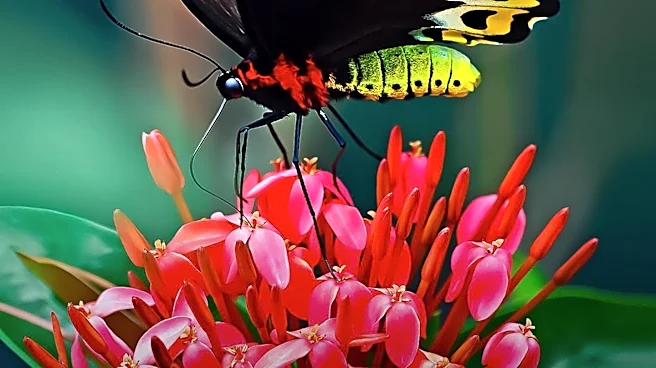
NPR's Short Wave podcast recently delved into the remarkable longevity of butterflies in the genus Heliconius, which live significantly longer than other butterfly species. The episode, featuring science writer Katie Wu and host Nate Rott, explored the potential
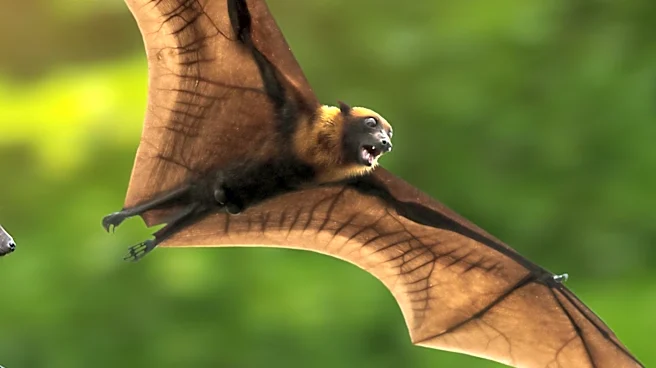
reasons behind this extended lifespan, focusing on the butterflies' unique diet that includes pollen. Unlike most butterflies that primarily consume nectar, Heliconius butterflies have adapted to feed on pollen, which may contribute to their longevity. The discussion also touched on other species, such as bats, that exhibit extended lifespans and the implications these findings might have for understanding aging in humans.
Why It's Important?
The study of Heliconius butterflies' longevity offers valuable insights into the biological mechanisms of aging, which could have broader implications for human health and longevity research. Understanding how these butterflies utilize pollen to extend their lifespan might inspire new approaches to dietary and health interventions aimed at promoting longevity in humans. Additionally, the research highlights the importance of biodiversity and the potential for cross-species insights into aging, which could lead to breakthroughs in gerontology and age-related diseases.
What's Next?
Future research may focus on isolating specific compounds in pollen that contribute to the Heliconius butterflies' longevity, potentially leading to the development of new dietary supplements or treatments for age-related conditions in humans. Scientists might also explore genetic factors that enable these butterflies to process pollen in a way that extends their lifespan, offering further insights into the genetic basis of aging. Continued interdisciplinary studies involving entomologists, gerontologists, and nutritionists could pave the way for innovative strategies to enhance human health and longevity.
Beyond the Headlines
The exploration of Heliconius butterflies' longevity underscores the interconnectedness of ecosystems and the potential for nature to inform human health advancements. This research not only contributes to our understanding of aging but also emphasizes the need for conservation efforts to preserve biodiversity, which could hold untapped solutions to human health challenges. The ethical considerations of applying findings from one species to another also warrant discussion, as scientists navigate the complexities of translating animal research into human applications.