






What's Happening?
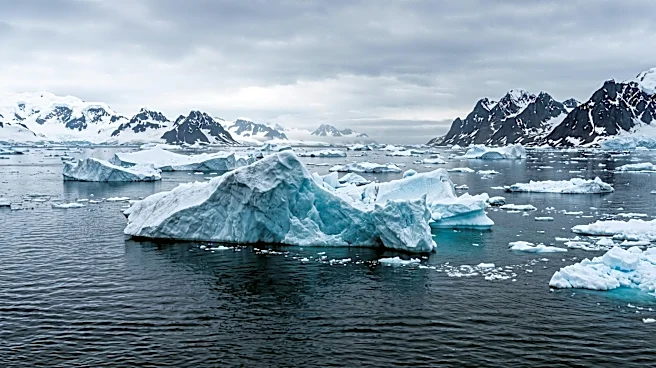
The Commission for the Conservation of Antarctic Marine Living Resources (CCAMLR) concluded its 2026 annual meeting without reaching an agreement on new marine protected areas (MPAs) in the Southern Ocean or enhanced precautionary measures for the Antarctic krill
fishery. This marks a decade-long impasse in Southern Ocean conservation efforts. Despite several member countries, including Argentina, Chile, Brazil, and Uruguay, advocating for stronger conservation, the consensus-based decision-making process of CCAMLR prevented the adoption of new protections. Discussions around the proposed Domain 1 Marine Protected Area near the Antarctic Peninsula were a central focus, with an intersessional process agreed upon to continue negotiations. The failure to act comes as climate change and fishing activities intensify pressures on the region's sensitive marine ecosystems. Only two MPAs have been established since a 2009 commitment to create a network, with five additional proposals still under consideration.
Why It's Important?
The lack of agreement by CCAMLR has significant implications for the conservation of the Southern Ocean, a critical global marine ecosystem. The Antarctic krill fishery is a central component of these negotiations, as krill are a foundational species in the Antarctic food web, supporting whales, seals, penguins, and fish. Without revised management regimes and stronger precautionary measures, the increasing fishing pressure, particularly in concentrated areas, could further endanger these dependent marine wildlife populations. The ongoing delay also raises questions about the effectiveness of international conservation commitments and multilateral institutions in translating these commitments into actionable protection. This impasse occurs at a time when international efforts to strengthen ocean governance, such as the High Seas Treaty, are gaining momentum, highlighting a potential disconnect between global aspirations and regional implementation.
What's Next?
The intersessional process agreed upon by several CCAMLR members offers a potential avenue for continued negotiations on the Domain 1 MPA proposal before the next annual meeting. However, the effectiveness of this process will depend on the member countries' ability to resolve their outstanding differences. The broader international community will likely continue to scrutinize CCAMLR's capacity to fulfill its mandate of conserving Antarctic marine living resources while managing fishing activities sustainably. The upcoming first Conference of the Parties to the High Seas Treaty (BBNJ Agreement) may also influence future discussions, potentially creating new opportunities for advancing marine biodiversity protection in areas beyond national jurisdiction. Pressure will remain on CCAMLR to accelerate its decision-making and implement practical conservation measures to address the combined pressures of climate change, biodiversity loss, and growing demand for marine resources.
Beyond the Headlines
The persistent failure of CCAMLR to reach consensus on critical conservation measures underscores a broader challenge in international environmental governance: balancing economic interests with ecological preservation. The krill fishery, while economically significant for some nations, directly impacts the delicate balance of the Antarctic ecosystem. This situation highlights the ethical dilemma of exploiting foundational species in vulnerable environments. The reliance on a consensus-based decision-making process within CCAMLR, while intended to ensure broad agreement, can also lead to paralysis when national interests diverge. This ongoing impasse could set a precedent for other international bodies grappling with similar issues, potentially weakening the global framework for marine conservation and raising concerns about the long-term health of the world's oceans.