






What's Happening?
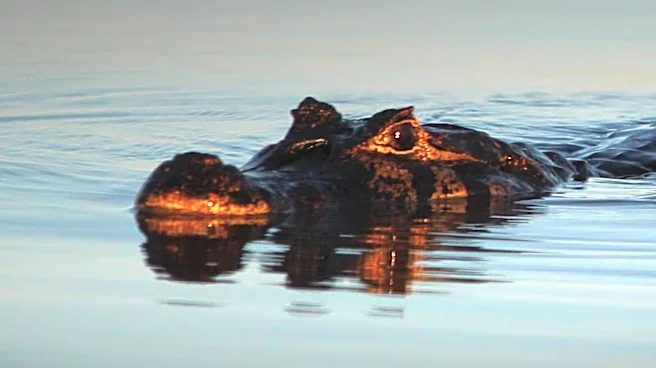
In Florida, wildlife experts are alerting residents about the ongoing alligator nesting season, urging caution as gators may lay eggs near residential areas. This period is critical as alligators become more active and protective of their nests. Concurrently,
Broward County is experiencing significant wildfire concerns, with over 800 acres already burned due to recent lightning strikes. These wildfires pose a threat to local communities and wildlife, prompting authorities to monitor weather conditions closely. The region is also facing variable weather patterns, with forecasts predicting rain and storms that could influence both the nesting season and wildfire management efforts.
Why It's Important?
The alligator nesting season is a crucial time for wildlife management in Florida, as it affects both human safety and ecological balance. Residents need to be aware of the increased presence of alligators to prevent potential encounters that could lead to injuries. Additionally, the wildfires in Broward County highlight the vulnerability of the region to natural disasters, exacerbated by weather conditions such as lightning. These events underscore the importance of preparedness and effective response strategies to protect communities and preserve natural habitats. The dual challenges of managing wildlife and mitigating wildfire risks require coordinated efforts from local authorities and residents.
What's Next?
Authorities in Florida are likely to continue monitoring the situation closely, providing updates and guidance to residents on how to stay safe during the alligator nesting season and in the face of wildfire threats. Community awareness campaigns and emergency response plans may be intensified to address these issues. As weather patterns evolve, the potential for rain could either alleviate or complicate the current challenges, depending on its impact on wildfire spread and alligator behavior. Ongoing communication between wildlife experts, emergency services, and the public will be essential in navigating these environmental challenges.