








What's Happening?
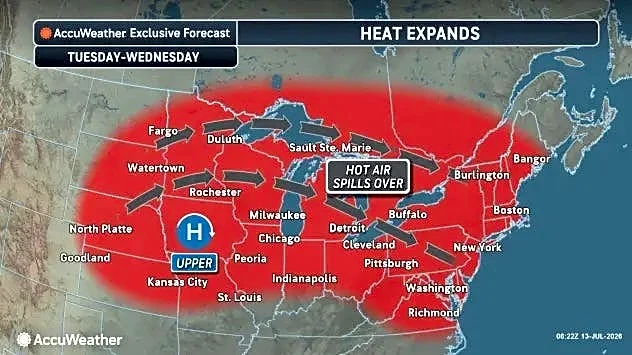
As global temperatures rise, many regions, including parts of the U.S., are experiencing extreme summer heat. In areas where air conditioning is not accessible or affordable, people are turning to traditional methods to stay cool. Drawing from practices
in India, where temperatures can exceed 120 degrees Fahrenheit, individuals are advised to stay hydrated with electrolyte-rich drinks like coconut water and aam ka pana, a raw mango juice. Eating foods with high water content, such as cucumbers, and taking cold showers are also recommended. Additionally, utilizing architectural designs like jaali, which allows air to circulate while blocking direct sunlight, and wearing light-colored, airy clothing can help mitigate the effects of heat. These strategies, combined with staying in shaded areas and avoiding the sun during peak hours, are essential for managing heat without air conditioning.
Why It's Important?
The significance of these cooling strategies lies in their potential to prevent heat-related illnesses, which can be life-threatening. As climate change continues to drive up temperatures, more people in the U.S. may find themselves without access to air conditioning due to economic constraints or power outages. Understanding and implementing these traditional cooling methods can reduce the risk of heatstroke and other heat-related health issues. This is particularly crucial for vulnerable populations, such as the elderly and those with pre-existing health conditions, who are more susceptible to the adverse effects of extreme heat. By adopting these practices, communities can enhance their resilience to heat waves, which are expected to become more frequent and severe.
What's Next?
As the frequency of extreme heat events increases, there may be a push for broader adoption of these traditional cooling methods in the U.S. Public health campaigns could focus on educating communities about these strategies, especially in areas prone to heat waves. Additionally, urban planning and building design might incorporate elements like jaali screens and water features to naturally cool environments. Policymakers may also consider investing in community cooling centers and promoting the planting of shade trees to provide relief during heat waves. These efforts could be part of a larger strategy to adapt to the changing climate and protect public health.
Beyond the Headlines
The reliance on traditional cooling methods highlights the need for sustainable solutions to climate challenges. As energy consumption from air conditioning contributes to greenhouse gas emissions, these low-tech strategies offer an environmentally friendly alternative. Moreover, they emphasize the importance of cultural knowledge and practices in addressing modern-day issues. By valuing and integrating these methods, societies can foster a more holistic approach to climate adaptation, balancing technological advancements with time-tested wisdom.