




What's Happening?
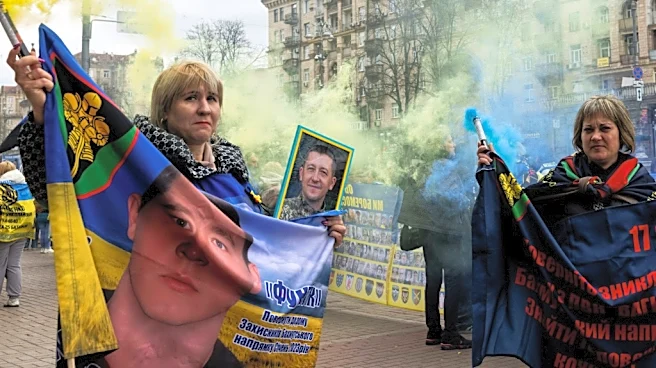
Russia's Supreme Court has criminalized the activities of Memorial, a Nobel Peace Prize-winning human rights organization. This decision is part of a broader crackdown on dissent and civil society in Russia, particularly amid the ongoing conflict in Ukraine.
Memorial, known for its long history of human rights activism, was accused by the Russian Justice Ministry of being an extremist organization. The ruling allows authorities to target any Memorial projects and their supporters. Memorial has been a significant figure in Russian civil society, advocating for the remembrance of Soviet-era political repression victims. Despite being labeled a 'foreign agent' and facing numerous legal challenges, Memorial has continued its operations, even establishing an international association in Geneva. The recent court decision further pressures the group, as involvement with extremist activities is a criminal offense in Russia.
Why It's Important?
The criminalization of Memorial's activities highlights the increasing suppression of civil society and human rights organizations in Russia. This move could have significant implications for freedom of expression and human rights advocacy in the country. Memorial's work has been crucial in documenting historical injustices and advocating for human rights, and its suppression could stifle similar efforts. The international community, including organizations like Amnesty International, has condemned the ruling, viewing it as an attack on human rights work. This development may also affect Russia's international relations, as it underscores the country's tightening grip on dissent and civil liberties.
What's Next?
Memorial has vowed to continue its work despite the ruling, indicating that it will operate from abroad if necessary. The organization and its supporters may seek to challenge the decision through international legal avenues or by garnering support from global human rights entities. The Russian government's actions may prompt further international criticism and potential sanctions, affecting its diplomatic standing. Domestically, the ruling could lead to increased fear among civil society groups, potentially stifling activism and dissent.
Beyond the Headlines
The crackdown on Memorial reflects broader trends of authoritarianism and control over civil society in Russia. This development raises ethical concerns about the suppression of historical memory and the right to free expression. It also highlights the challenges faced by human rights organizations operating under repressive regimes. The international community's response to this situation could influence future actions by the Russian government and similar regimes worldwide.