
What's Happening?
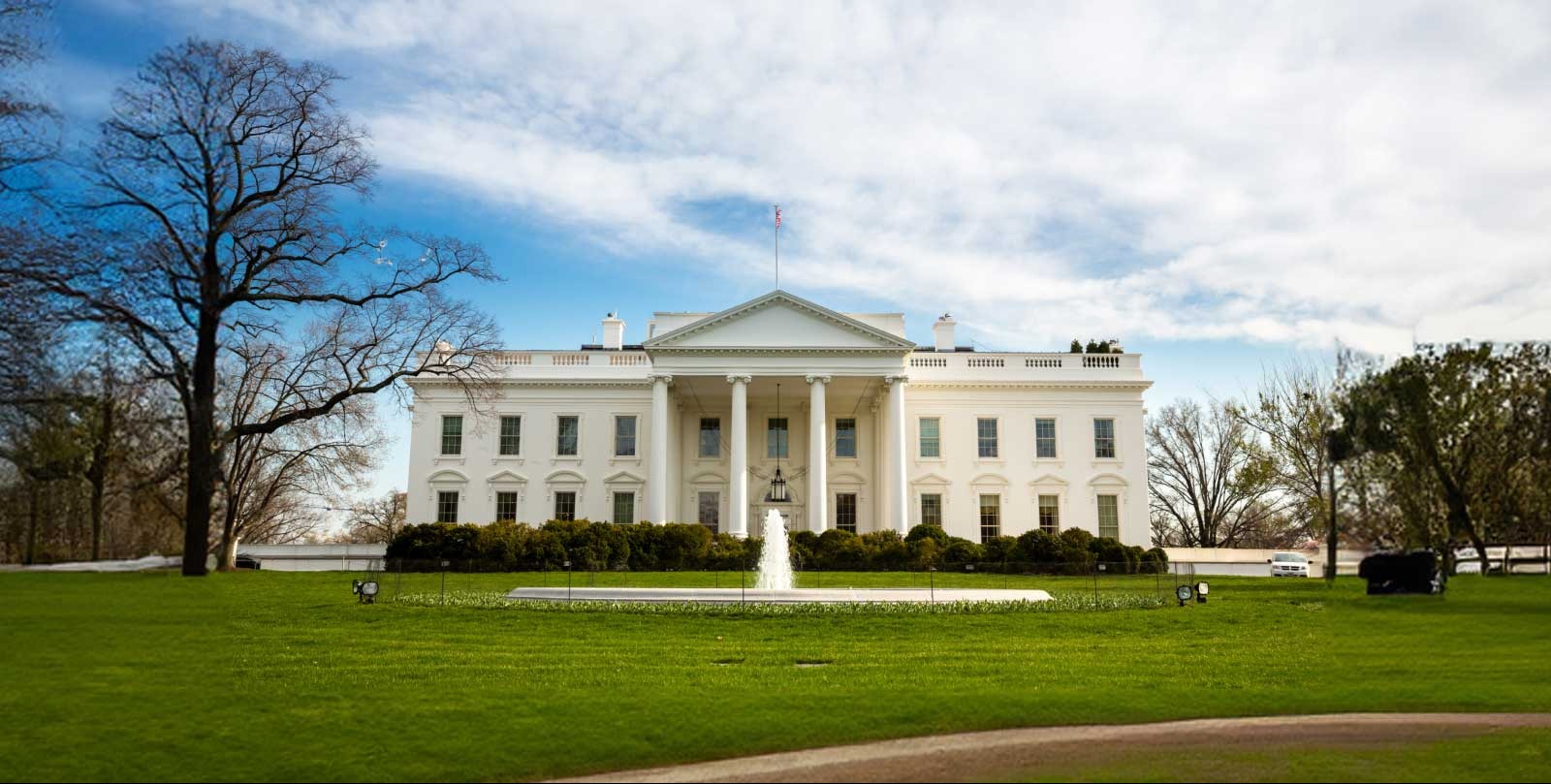
The Smithsonian Institution is required to submit thousands of documents to the White House by today, as part of a review to determine if its exhibitions and events express 'improper ideology.' This requirement
stems from an executive order issued by President Trump, which mandates the removal of such ideology from the Smithsonian's offerings. The White House has linked the Smithsonian's $1 billion federal budget to compliance with this order. The review targets eight Smithsonian museums, including the National Museum of American History and the National Museum of African American History and Culture. The process has been delayed by a federal government shutdown and staffing changes at the Smithsonian. The White House emphasizes the importance of the Smithsonian's role in the upcoming 250th anniversary of the United States, urging the institution to present a positive view of American history.
Why It's Important?
This development highlights the ongoing tension between federal oversight and the independence of cultural institutions. The Smithsonian, traditionally run independently of the federal government, faces pressure to align its exhibitions with the administration's ideological stance. This situation raises concerns about potential censorship and the impact on historical narratives presented to the public. The outcome of this review could influence how American history is portrayed in one of the nation's most prominent cultural institutions, affecting public perception and educational content. The Smithsonian's response and compliance could set a precedent for other federally funded cultural organizations.
What's Next?
The Smithsonian's compliance with the document submission deadline will likely lead to further scrutiny of its exhibitions and programs. If the White House deems the submitted materials insufficient or non-compliant, it could threaten the institution's federal funding. The Smithsonian may need to adjust its exhibitions to meet the administration's requirements, potentially sparking public debate and legal challenges over issues of censorship and academic freedom. The broader cultural and political implications of this review will unfold as the Smithsonian navigates its relationship with the federal government.