



What's Happening?
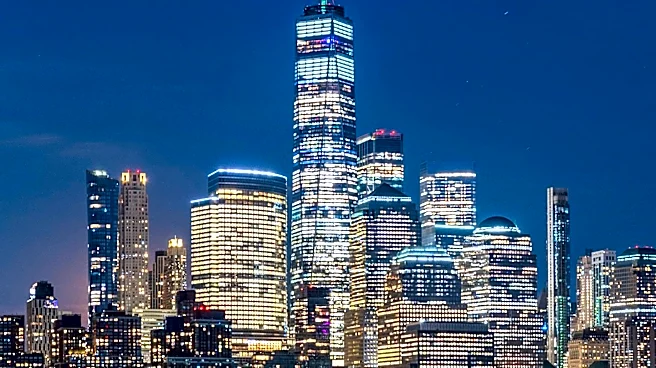
Northwell Health's World Trade Center Health Program is observing a significant number of cancer cases among its patient population. According to Dr. Jacqueline Moline, who directs the program and chairs its occupational medicine department, 1,517 out
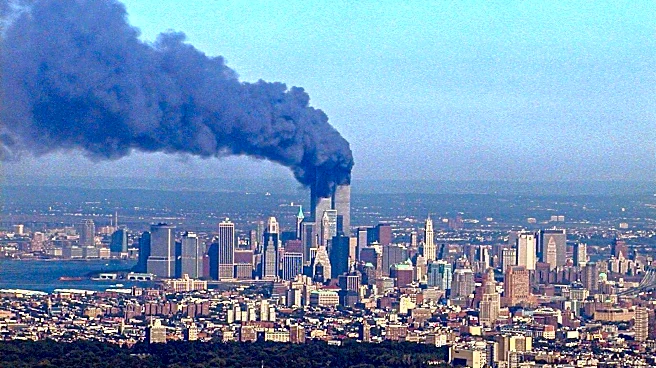
of 5,000 patients have at least one cancer, with a notable 30% having more than one. This data highlights the ongoing health crisis stemming from the September 11th attacks, nearly 25 years later. The program emphasizes the need for continued monitoring and treatment for these individuals for decades to come, as the health impacts are expected to persist. The broader federal World Trade Center Health Program has certified 57,044 cancer cases linked to the attacks, with 10,393 new cases certified in the 12 months ending in June, outpacing other diseases. Common cancers include skin, prostate, and breast, but hundreds of rarer diagnoses are also present.
Why It's Important?
The high incidence of cancer among patients in Northwell Health's World Trade Center Health Program underscores the long-term and evolving health consequences of the 9/11 attacks. This situation highlights the critical need for sustained federal funding and adequate staffing for programs designed to support survivors and first responders. The fact that 30% of Northwell's patients have multiple cancers indicates a severe and complex health burden, requiring specialized and comprehensive care. The ongoing certification of new cancer cases, even decades after the event, demonstrates that the health crisis is not diminishing but rather shifting in its manifestations. This necessitates that federal officials adapt screening parameters, expand monitoring, and support research to cover new conditions and provide flexible treatment options. The health of these individuals represents a significant societal responsibility and a continuing public health challenge.
What's Next?
Federal officials are urged to address the staffing shortages within the World Trade Center Health Program, including renewing Director John Howard's term and hiring sufficient personnel to ensure full operational capacity. There is a pressing need to update the program's medical protocols to reflect the evolving nature of 9/11-related illnesses, particularly the increasing prevalence of various cancers. This includes widening screening parameters, expanding monitoring, and supporting key research efforts to cover new conditions and offer flexible testing and treatment options. Furthermore, efforts are needed to encourage those who lived, worked, or studied near Ground Zero, especially young adults who were children or teens at the time, to enroll in the World Trade Center Health Program. This proactive enrollment will ensure they receive necessary care when health issues arise in the future.
Beyond the Headlines
The persistent and evolving health challenges faced by 9/11 survivors and first responders, as evidenced by Northwell Health's program, reveal a profound ethical and societal obligation to those affected by national tragedies. The long 'tail' of illness, particularly the high rates of cancer, highlights the delayed and insidious nature of environmental health impacts. This situation prompts a re-evaluation of how long-term health monitoring and support systems are designed and maintained following large-scale disasters. It also raises questions about the adequacy of current scientific and medical understanding of complex environmental exposures and their delayed effects. The need for continuous adaptation in healthcare programs, rather than static responses, is a crucial lesson, emphasizing that the human cost of such events can extend for generations, demanding ongoing vigilance and resource allocation.