




What's Happening?
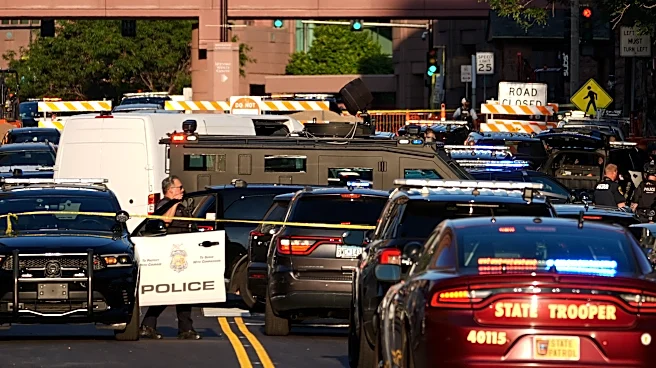
The Minnesota Supreme Court, under Chief Justice Natalie Hudson, has enacted a statewide ban on firearms and other weapons in all court-occupied areas across Minnesota. This new policy, effective September 1, 2026, extends to county government buildings
and other facilities utilized by the state's district courts, Court of Appeals, and Supreme Court for official business. The order specifically applies to individuals who possess valid permits to carry firearms, meaning such permits no longer authorize weapon possession within these designated court areas. Limited exceptions are made for licensed peace officers and federally authorized law enforcement officers acting in their official capacities, as well as for weapons introduced as evidence during trials, provided advance notice and safety protocols are followed. This initiative expands upon existing restrictions that have been in place since 2003 at the Minnesota Judicial Center and the Supreme Court courtroom within the State Capitol. Chief judges also retain the authority to broaden the weapons prohibition to additional sections of government buildings or courthouse complexes if deemed necessary for security.
Why It's Important?
This statewide ban signifies a significant shift in security measures within Minnesota's judicial system, reflecting a heightened concern for the safety of court personnel and the public. Chief Justice Hudson indicated that the Judicial Branch has observed an increase in threats against judges and court employees, necessitating a re-evaluation of security protocols. The policy underscores the state's commitment to creating a safer environment for legal proceedings and those involved, from judges and staff to litigants, jurors, and attorneys. By prohibiting even permit holders from carrying firearms, the measure aims to reduce potential risks and maintain order in sensitive judicial settings. This move could influence other states or jurisdictions to review and potentially strengthen their own court security policies, particularly in an era of increasing public safety concerns and debates surrounding gun control. The policy also highlights the ongoing tension between Second Amendment rights and the need for secure public spaces, particularly within the justice system.
What's Next?
The implementation of this policy will likely lead to increased security screenings at court facilities across Minnesota, with visitors potentially being required to pass through weapon screening checkpoints. Refusal to comply with these screenings could result in denial of entry. The Judicial Branch will continue to evaluate security measures to ensure the ongoing protection of court personnel and the public. While the immediate focus is on enforcement and adaptation to the new rules, there may be ongoing discussions or legal challenges regarding the scope and impact of the ban, particularly from gun rights advocates. The policy's effectiveness in mitigating threats and enhancing safety will be closely monitored, potentially informing future adjustments or expansions of security protocols. The state's appellate courts recently experienced a cybersecurity breach, an unrelated incident, but it further emphasizes the broader security challenges faced by the judicial system, suggesting a comprehensive approach to safety is being considered.
Beyond the Headlines
The Minnesota Supreme Court's decision to ban firearms in court facilities, even for permit holders, delves into the complex interplay between public safety, individual rights, and the sanctity of judicial processes. This policy reflects a growing trend in various public institutions to prioritize collective security over individual firearm carrying rights in specific, sensitive environments. The move could spark broader conversations about the appropriate boundaries for firearm possession in public spaces, especially those critical to the functioning of democracy and justice. Ethically, it raises questions about the balance between perceived threats and the curtailment of freedoms. Legally, it tests the interpretation of gun rights in the context of governmental authority to ensure safety and order. Culturally, it contributes to the ongoing national dialogue about gun violence and the measures society is willing to take to prevent it, potentially setting a precedent for other states grappling with similar concerns about security in their public institutions.