




What's Happening?
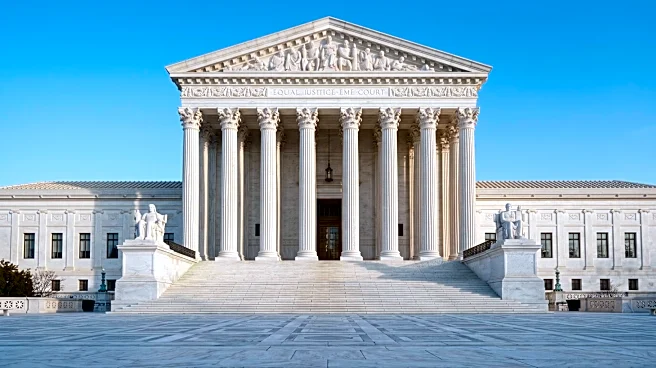
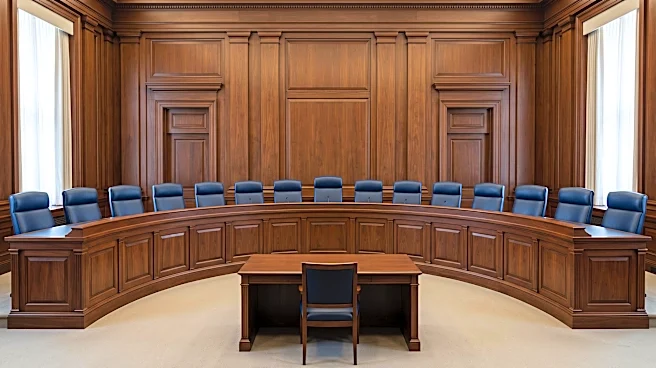
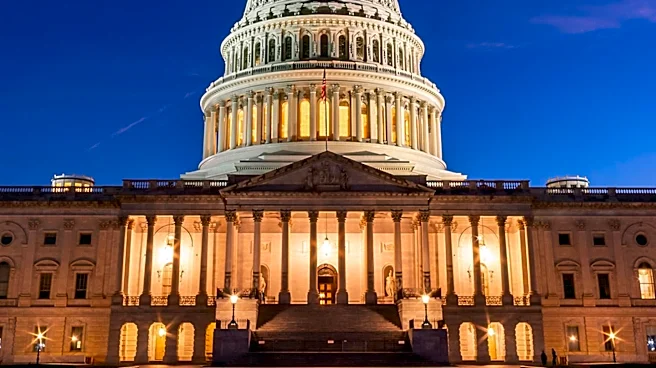
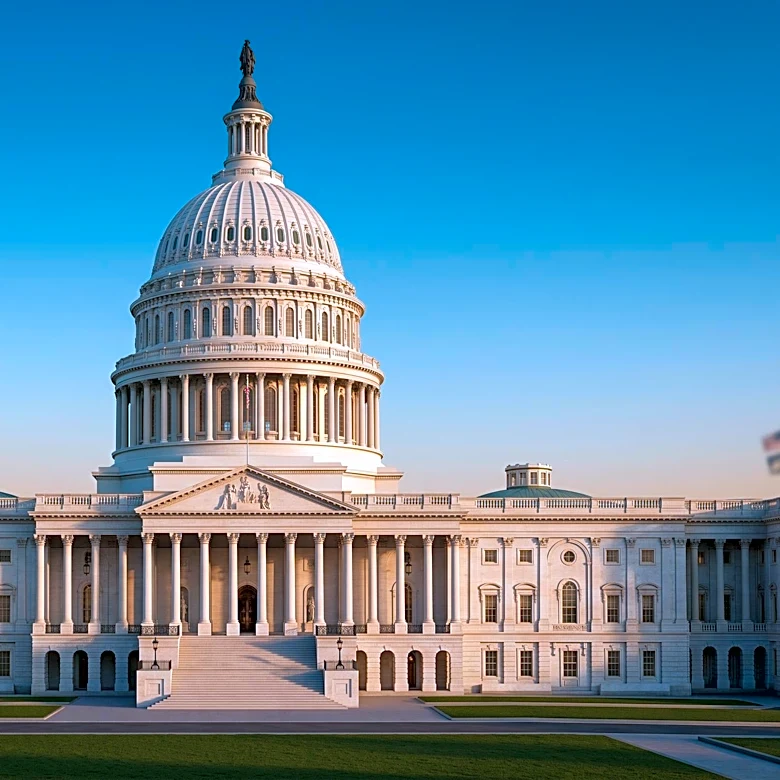
Representatives Tom Cole (R-Okla.) and Tom Suozzi (D-NY) have introduced the Bipartisan Social Security Commission Act. This proposed legislation aims to address the financial challenges facing the Social Security program by establishing a 13-member bipartisan
commission. The members of this commission would be appointed by the president and congressional leaders from both parties. The commission's mandate would be to develop recommendations for securing the future of Social Security. Once these recommendations are formulated, Congress would be required to hold an expedited up-or-down vote on them, without the possibility of amendments. This process is designed to bypass regular legislative order, which proponents argue could facilitate a quicker resolution to the program's funding issues. The Social Security trust fund, which pays retiree and survivor benefits, is projected to begin depleting by the fourth quarter of 2032, necessitating congressional action to avoid significant benefit cuts.
Why It's Important?
The introduction of the Bipartisan Social Security Commission Act is significant because it represents an attempt to find a bipartisan solution to a critical national issue. Social Security is a program that affects approximately 68 million Americans, and its projected funding shortfall could lead to substantial benefit reductions if left unaddressed. The proposed commission structure, which bypasses traditional legislative processes, highlights the urgency and political difficulty of reforming Social Security. While proponents argue that this approach could lead to a swift and decisive resolution, critics express concerns about the lack of public input in such a commission-driven process. The debate over this bill underscores the broader political challenge of balancing the need for effective governance with democratic accountability. The outcome of this legislative effort could set a precedent for how future complex national issues are tackled, potentially influencing the role of expert commissions versus direct congressional deliberation.
What's Next?
The Bipartisan Social Security Commission Act will now proceed through the legislative process, where it will likely face debate and scrutiny regarding its structure and implications. Key discussions will revolve around the composition of the commission, the scope of its authority, and the extent to which its recommendations would be binding or subject to congressional modification. Stakeholders, including advocacy groups for seniors, economic policy organizations, and political parties, will likely weigh in on the proposal, advocating for their preferred approaches to Social Security reform. The bill's success will depend on its ability to garner sufficient bipartisan support in both the House and Senate. If passed, the establishment of such a commission would initiate a period of intensive policy development, with the ultimate goal of presenting a unified plan to Congress before the projected depletion of the Social Security trust fund in 2032. The upcoming November elections will also play a crucial role, as the political landscape could significantly impact the willingness of lawmakers to engage in bipartisan efforts on this issue.
Beyond the Headlines
The proposal for a bipartisan commission on Social Security touches upon deeper questions about the efficacy of traditional legislative processes in addressing long-term national challenges. The move to bypass regular legislative order suggests a recognition of the political gridlock that often prevents meaningful action on complex issues like Social Security reform. This approach, while potentially efficient, raises concerns about democratic representation and the transparency of decision-making. The creation of an unelected commission to make recommendations on a program as vital as Social Security could be seen as an abdication of congressional responsibility by some, while others might view it as a pragmatic solution to overcome partisan divides. This initiative also highlights the ongoing tension between expert-driven policy solutions and the democratic ideal of direct public and legislative engagement. The success or failure of this commission model could influence future legislative strategies for tackling other intractable problems, potentially reshaping the balance of power between elected representatives and appointed bodies in U.S. governance.