



What's Happening?
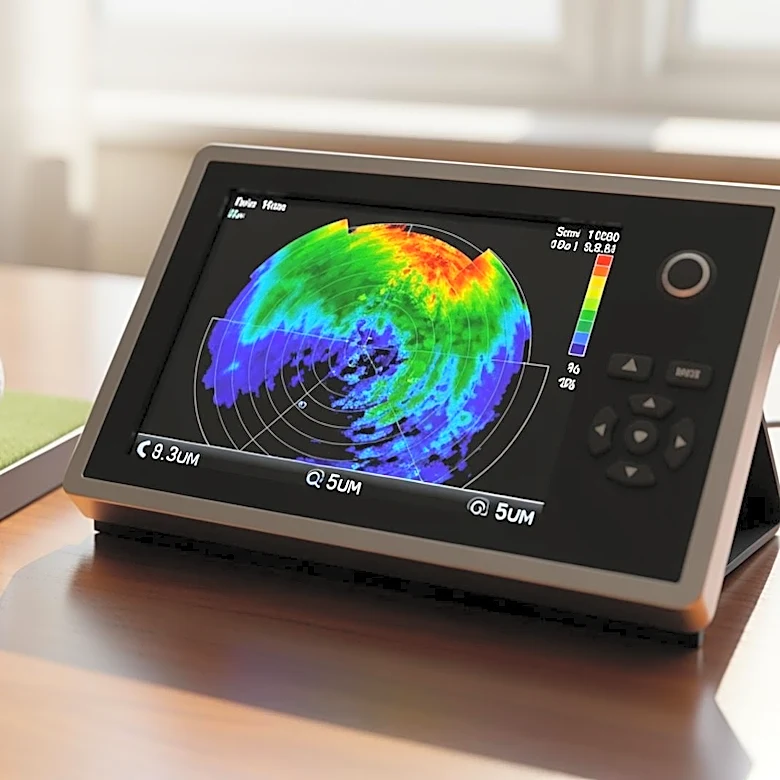
Forecasters are indicating the rapid emergence of a powerful El Niño event, with some projections suggesting it could be a 'super' version, potentially surpassing historical benchmarks from 1877 and 2015. The World Meteorological Organization notes that
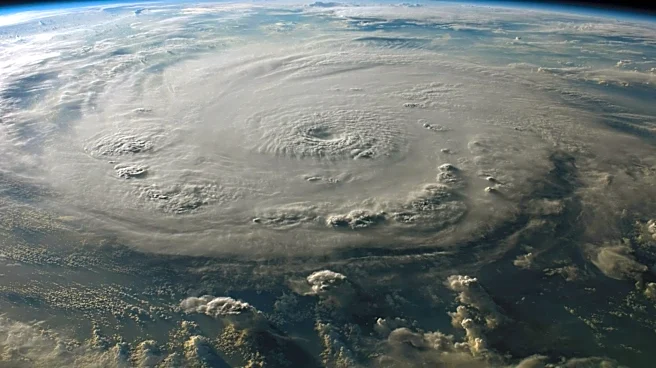
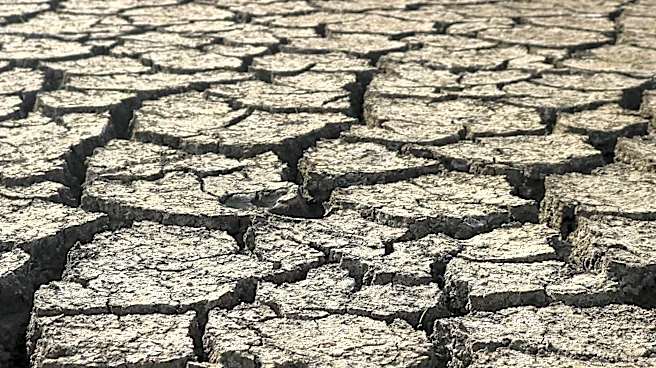
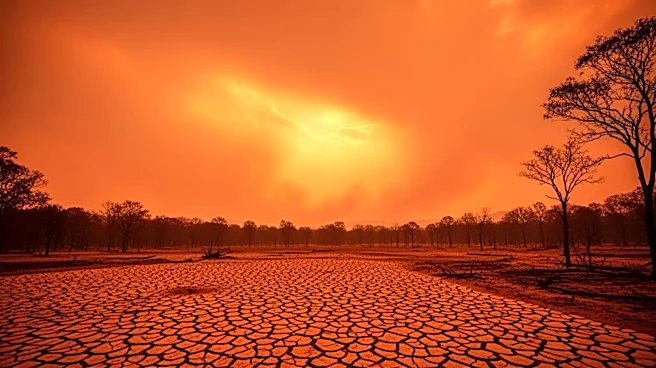
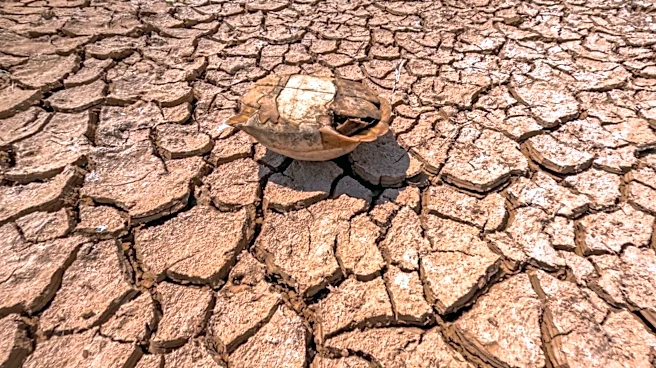
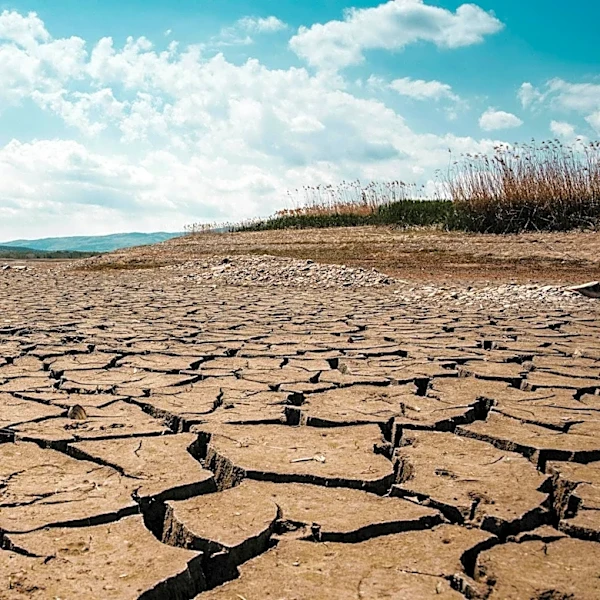
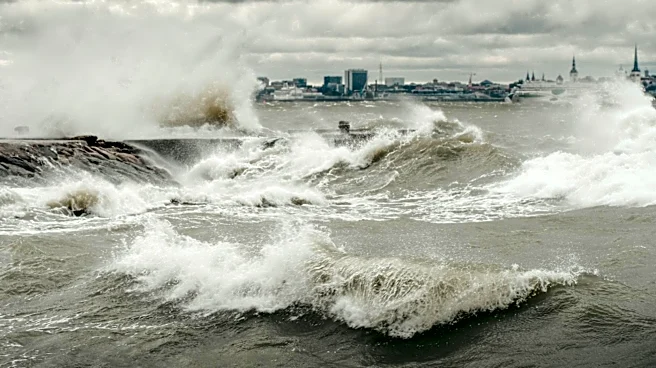
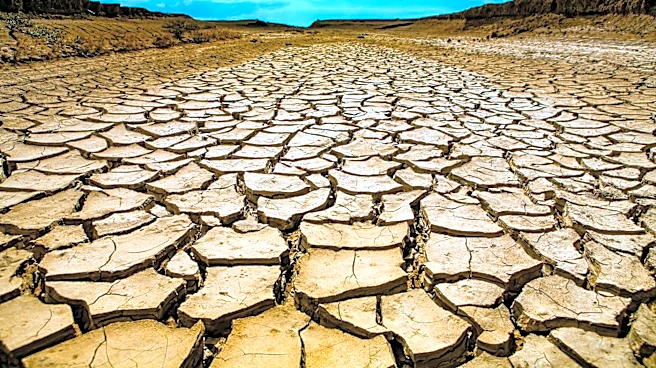
rising sea surface temperatures in the equatorial Pacific are signaling a shift towards El Niño conditions. The European Centre for Medium-Range Weather Forecasts predicts water temperatures in a key Pacific region could reach about 3 degrees Celsius above average by autumn. This warming is expected to alter atmospheric circulation and weather patterns globally, leading to stronger heat waves, intense rainfall, and droughts in various regions. In the Americas, El Niño is associated with fewer tropical storms in the Atlantic but more active Pacific seasons. The phenomenon could result in extreme weather events, including wildfires, flooding, and disruptions to marine life.
Why It's Important?
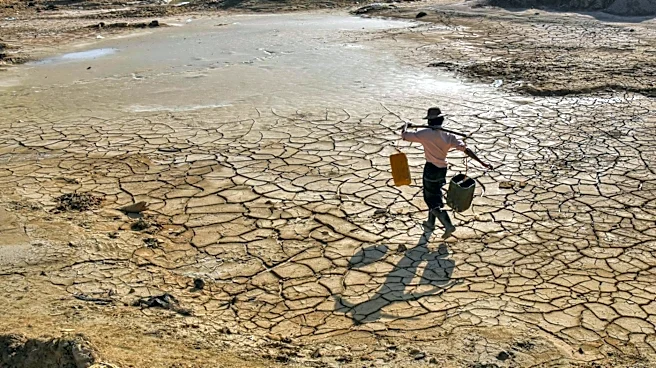
The potential development of a strong El Niño has significant implications for global climate and weather patterns. In the U.S., it could lead to milder winters in the northern states and wetter conditions in the south, affecting agriculture, water resources, and energy consumption. Globally, the event could exacerbate climate-related challenges, such as droughts in Europe and Asia, and increase the frequency of extreme weather events. These changes could impact food security, economic stability, and public health. The anticipated rise in global temperatures could also push 2027 to become the hottest year on record, highlighting the urgent need for climate adaptation and mitigation strategies.
What's Next?
As the El Niño event develops, meteorologists and climate scientists will continue to monitor its progression and refine forecasts. Governments and industries may need to prepare for potential impacts, such as adjusting agricultural practices, managing water resources, and planning for disaster response. The scientific community will likely focus on understanding the event's implications for long-term climate trends and the role of human-induced climate change in amplifying natural climate phenomena.