






What's Happening?
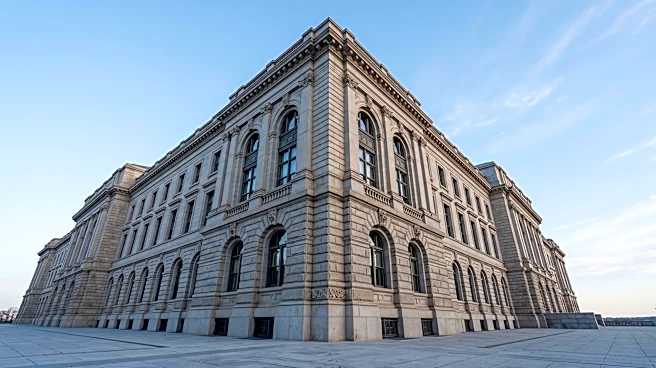
Jessica Bowie, a 35-year-old woman from Albany, New York, has been charged with providing material support or resources to a foreign terrorist organization after allegedly plotting to detonate an explosive device at the New York State Capitol building.
Authorities stated that Bowie, who converted to Islam approximately five years ago, believed laws being passed were an affront to Islam and intended to kill lawmakers. The plot was uncovered through an FBI sting operation, during which Bowie communicated with confidential informants posing as ISIS facilitators. She reportedly made multiple trips to the Capitol for reconnaissance, sought lessons on building explosives, and arranged to acquire a firearm and ammunition. FBI operatives provided her with money for bomb-making ingredients and later supplied her with a gun, ammunition, and an inert explosive before her arrest. Bowie reportedly told agents after her arrest, “There’s no helping me, you guys know enough.”
Why It's Important?
This incident highlights the persistent threat of domestic terrorism and radicalization within the United States, even from individuals acting independently or inspired by foreign ideologies. The alleged plot to attack a state Capitol building and target lawmakers underscores the vulnerability of democratic institutions and public officials to violence. Such threats can erode public trust in safety and security, potentially leading to increased security measures at government facilities and impacting the accessibility of public spaces. The involvement of an FBI sting operation demonstrates the proactive efforts of law enforcement to neutralize potential threats before they materialize, but also raises questions about the methods used in such operations. The case serves as a stark reminder of the ongoing challenges faced by law enforcement and intelligence agencies in identifying and preventing acts of terrorism, particularly when individuals are motivated by extremist beliefs.
What's Next?
Jessica Bowie will face federal terrorism charges, and the legal proceedings will likely involve a thorough investigation into her motivations, connections, and the extent of her planning. The case will proceed through the federal court system, where evidence gathered during the FBI sting operation will be presented. Authorities will likely continue to monitor for any potential co-conspirators or broader networks, although the current information suggests she was acting largely independently. Governor Kathy Hochul's office has stated that security measures at the Capitol were strengthened earlier in the year due to a rise in political violence, and these measures will likely be reviewed and potentially enhanced further. The incident may also prompt discussions about online radicalization and the role of social media in fostering extremist views, as Bowie's online accounts reportedly showed support for terrorism.
Beyond the Headlines
The alleged plot delves into the complex interplay of individual radicalization, mental state, and the influence of extremist ideologies. The fact that Bowie reportedly converted to Islam five years ago and then developed grievances against state laws she deemed offensive to her faith points to the challenges of understanding and addressing the pathways to radicalization. This case is not just about a single individual's actions but also reflects broader societal tensions and the potential for individuals to be drawn into extremist narratives. It raises questions about the effectiveness of counter-radicalization efforts and the resources available to individuals who may be vulnerable to such influences. Furthermore, the incident underscores the ongoing debate about balancing civil liberties with national security concerns, particularly in the context of surveillance and sting operations aimed at preventing domestic terrorism. The psychological and sociological factors contributing to such extreme views warrant deeper examination beyond the immediate legal ramifications.