




What's Happening?
Starkville Utilities has presented a proposal to the Starkville Board of Aldermen for increasing electricity rates for its customers. Residential customers could see an additional $2.00 added to their monthly base rates starting this year, with further
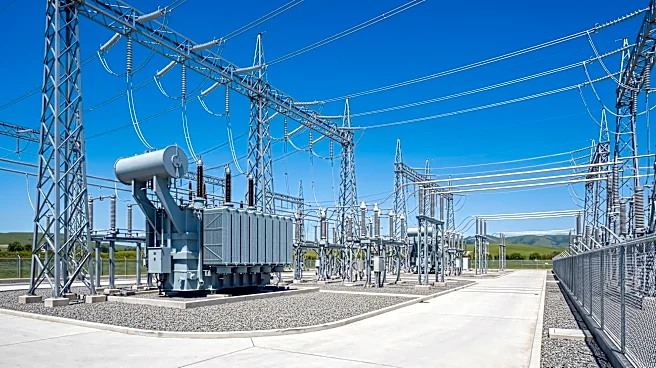
$2.00 increases in 2027 and 2028, raising the base rate from $17.03 to $23.03 by 2028. Non-residential customers are projected to experience an annual increase of approximately 2%. These proposed adjustments are the first since 2016, during which period Starkville Utilities reports a 76% increase in per-customer operations and maintenance costs. The utility estimates these rate hikes will generate an additional $650,000 annually. This revenue is earmarked for critical infrastructure maintenance and modernization projects, including the replacement of existing poles and equipment, upgrades to substations, and the expansion of smart grid technology. If approved, the new rates are expected to take effect in November.
Why It's Important?
The proposed electricity rate increases by Starkville Utilities highlight a broader national trend of rising utility costs and the challenges faced by utility providers in maintaining and modernizing aging infrastructure. For Starkville residents and businesses, these increases will directly impact household budgets and operational costs, potentially leading to financial strain, especially for those already struggling with living expenses. The utility's justification, citing a 76% increase in operations and maintenance costs since the last rate adjustment in 2016, underscores the growing financial pressures on utility companies. This situation reflects a common dilemma across the U.S., where utilities must balance the need for significant capital investments to ensure reliable service and adapt to new technologies with the public's demand for affordable energy. The decision by the Starkville Board of Aldermen will set a precedent for how such infrastructure costs are distributed between the utility and its customers, influencing local economic stability and the quality of essential services.
What's Next?
The Starkville Board of Aldermen will consider the proposed rate adjustment, with a decision expected to determine if the new rates will be implemented starting in November. If approved, residential customers will see an immediate increase in their monthly base rates, followed by additional increments in 2027 and 2028. Non-residential customers will face annual 2% increases. Starkville Utilities will proceed with its planned infrastructure projects, utilizing the generated revenue for pole and equipment replacement, substation upgrades, and smart grid technology expansion. The approval process may involve public hearings or opportunities for community feedback, allowing residents and businesses to voice their concerns or support. The outcome will also be closely watched by other municipalities and utility providers facing similar infrastructure challenges and rising operational costs, potentially influencing future rate adjustment proposals across the region.
Beyond the Headlines
The proposed rate increases in Starkville reflect a deeper national conversation about the future of energy infrastructure and the equitable distribution of its costs. As utilities nationwide grapple with the need to upgrade grids for reliability, efficiency, and the integration of new technologies like smart grids, the question of who bears the financial burden becomes increasingly pertinent. This situation in Starkville is indicative of a broader trend where the costs associated with maintaining and modernizing essential services are being passed on to consumers. It raises ethical considerations about access to affordable basic services and the potential for disproportionate impacts on low-income households and small businesses. Furthermore, the emphasis on smart grid technology points to a long-term shift towards more advanced, but potentially more expensive, energy management systems. The decision in Starkville could influence how other communities approach similar challenges, highlighting the tension between technological advancement, infrastructure resilience, and consumer affordability in the evolving energy landscape.