







What's Happening?
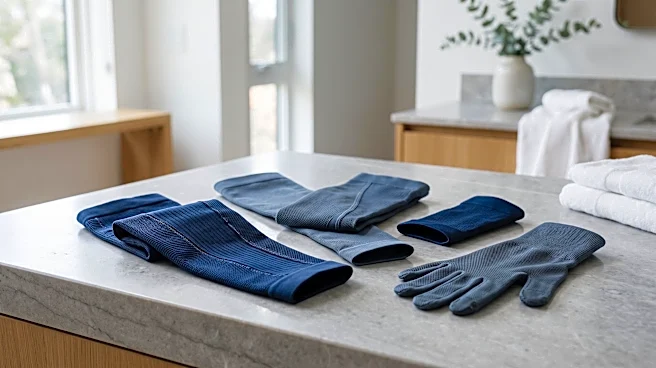
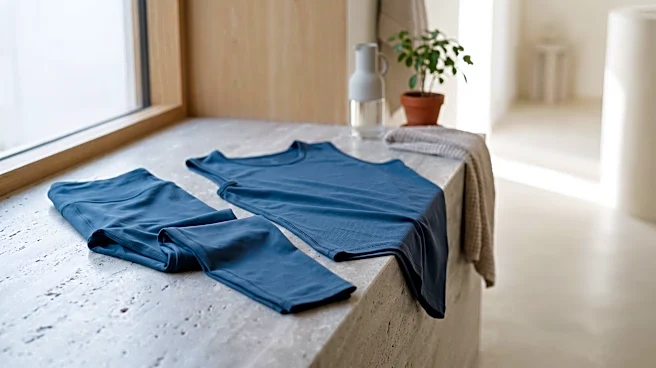
Compression garments are a standard and widely recommended component of post-liposuction care, according to major medical institutions such as the NHS, Mayo Clinic, Cleveland Clinic, and MedlinePlus. These garments apply gentle, even pressure to the treated
areas, which is crucial for limiting fluid accumulation, reducing bruising, and supporting the skin as it re-adheres to underlying tissues. The typical duration for wearing these garments is several weeks, with many surgeons advising a gradual transition from continuous wear to daytime-only use as swelling subsides. Proper fit is emphasized over brand, as a poorly fitting garment that folds or digs into the skin can create grooves in the healing tissue. Small incisions post-liposuction often leak pink-tinged fluid for a day or two, and compression garments, along with dressings and absorbent pads, are designed to manage this expected leakage. Swelling typically eases over a few weeks, but the full aesthetic results of liposuction, particularly high-definition procedures, can take up to six months to become fully apparent as the body's healing processes complete.
Why It's Important?
The widespread medical consensus on the necessity of compression garments underscores their critical role in ensuring optimal outcomes and patient safety following liposuction procedures. By mechanically limiting fluid buildup and supporting skin re-adhesion, these garments directly contribute to reducing complications such as seromas and hematomas, which can prolong recovery and negatively impact aesthetic results. This standard of care is vital for patients undergoing liposuction, as it helps manage post-operative swelling and discomfort, facilitating a smoother healing process. For the healthcare industry, particularly plastic surgery practices, adherence to these guidelines is essential for maintaining patient trust and achieving consistent, high-quality results. The emphasis on proper fit also highlights the need for personalized patient care and follow-up, ensuring that the garments effectively support healing without causing further issues. This practice not only benefits individual patients by improving their recovery experience but also reinforces the medical community's commitment to evidence-based post-operative care.
What's Next?
Patients undergoing liposuction can expect their surgical teams to provide detailed instructions regarding the duration and proper use of compression garments. These instructions will be tailored to the specific areas treated and the individual's healing progress. Regular follow-up appointments will likely include checks on the garment's fit to ensure it is not causing adverse effects, such as creating grooves in healing tissue. As swelling declines, surgeons may recommend tapering the wear of compression garments from continuous to daytime-only. Patients should report any issues with fit or discomfort to their medical team promptly. Additionally, while compression garments are a key component, they are part of a broader recovery plan that includes avoiding strenuous activity for several weeks and potentially incorporating gentle walking to encourage fluid movement and reduce the risk of blood clots. The full visual results of the procedure will continue to develop over several months, with final assessments typically made around the six-month mark.
Beyond the Headlines
The consistent recommendation of compression garments by leading medical bodies highlights a broader principle in post-surgical care: the body's natural healing processes can be significantly optimized through external support. This extends beyond liposuction to other surgical interventions where managing swelling, supporting tissue, and promoting proper adhesion are crucial. The emphasis on 'fit matters more than brand' also subtly critiques the consumer-driven market for post-operative products, redirecting focus from marketing to medical efficacy. This underscores the importance of professional medical guidance in selecting and using such devices, rather than relying on anecdotal evidence or commercial claims. Furthermore, the prolonged healing timeline, especially for high-definition liposculpture, reveals the complex biological remodeling that occurs beneath the skin, challenging immediate gratification expectations often associated with cosmetic procedures. This extended recovery period necessitates patient education and psychological support to manage expectations and ensure adherence to post-operative protocols, ultimately contributing to both physical and emotional well-being.