
What's Happening?
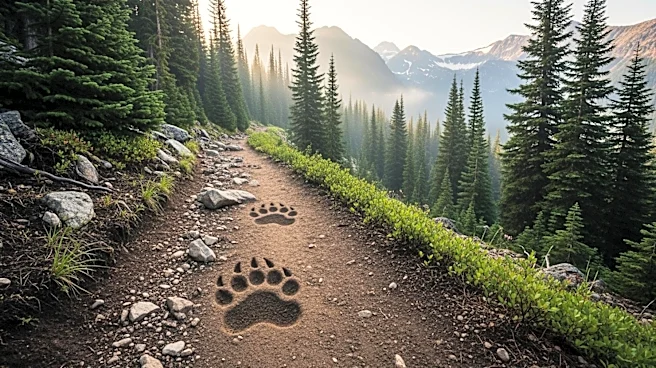
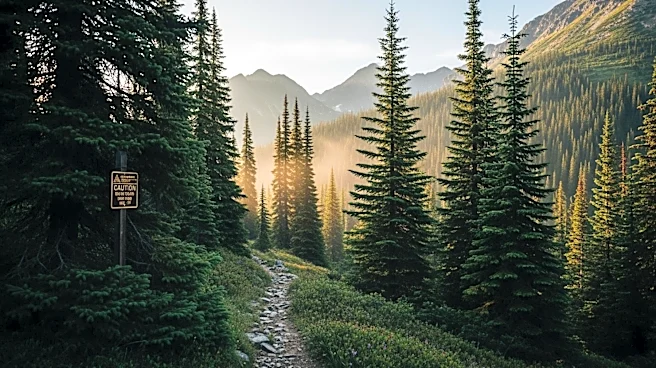
Authorities in Montana's Glacier National Park have closed multiple trails after a hiker's body was discovered, suspected to be the victim of a bear attack. The park is currently conducting an investigation
into the incident. This event follows closely on the heels of another bear-related incident at Yellowstone National Park, where two individuals were mauled by a bear. The recent spate of bear attacks has raised concerns about visitor safety in these popular national parks, prompting increased caution and preventive measures by park authorities.
Why It's Important?
The closure of trails in Glacier National Park highlights the ongoing challenges of managing human-wildlife interactions in national parks. These incidents underscore the need for effective safety protocols to protect both visitors and wildlife. The economic impact on local tourism could be significant, as national parks are major attractions that draw millions of visitors annually. Ensuring visitor safety while maintaining the natural habitat of wildlife is a delicate balance that park authorities must navigate. The recent attacks may lead to increased scrutiny of park management practices and could influence future policies regarding wildlife management and visitor education.
What's Next?
As the investigation into the suspected bear attack continues, park authorities may implement additional safety measures, such as increased signage, visitor education programs, and possibly more stringent regulations on trail access. The outcomes of these investigations could lead to policy changes aimed at preventing future incidents. Stakeholders, including local businesses reliant on tourism, may advocate for swift action to reassure potential visitors of their safety. Additionally, wildlife conservation groups may push for measures that protect both human visitors and the natural behaviors of bears in their habitats.