






What's Happening?
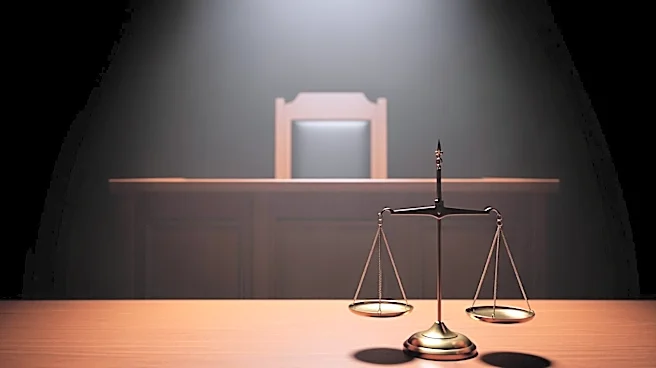
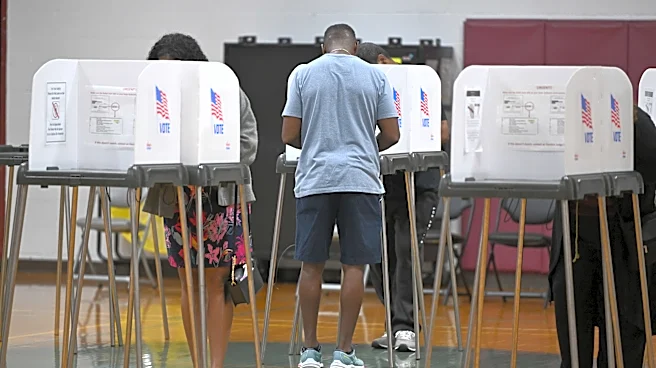
The U.S. Supreme Court has decided not to review a lower court ruling that limits the enforcement of the Voting Rights Act in seven Midwestern states. This decision upholds a 2025 ruling by the 8th U.S. Circuit Court of Appeals, which states that private
individuals and groups cannot sue to enforce Section 208 of the Act. This section allows voters with disabilities or language barriers to receive assistance from a person of their choice. The ruling affects Arkansas, Iowa, Minnesota, Missouri, Nebraska, North Dakota, and South Dakota, and follows a trend of recent decisions that have weakened the Voting Rights Act.
Why It's Important?
The Supreme Court's decision could significantly impact voting rights enforcement, particularly for minority and disabled voters. By limiting the ability of private groups to bring lawsuits, the ruling may reduce the number of legal challenges to voting restrictions, potentially leading to fewer protections for vulnerable populations. This decision reflects ongoing debates about the role of federal oversight in state election laws and the balance between preventing discrimination and maintaining state autonomy. The ruling could also influence future legislative efforts to amend or strengthen the Voting Rights Act.