



What's Happening?
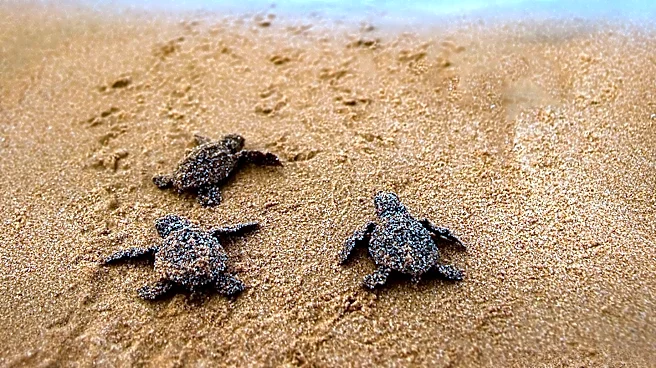
For the first time ever, an Olive Ridley sea turtle has been recorded nesting and laying eggs on a U.S. West Coast beach. The historic event occurred near Seal Beach in Orange County on September 16, according to NOAA Fisheries West Coast. Just days later,
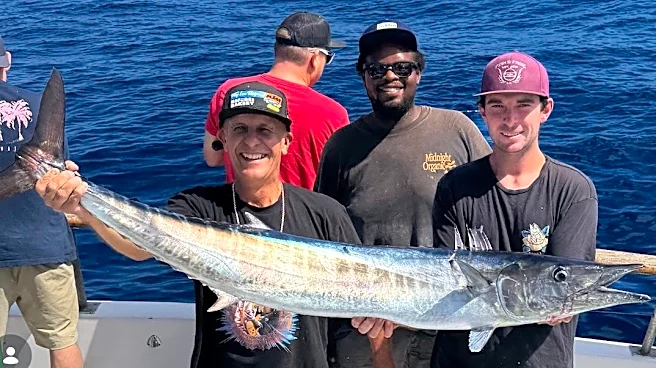
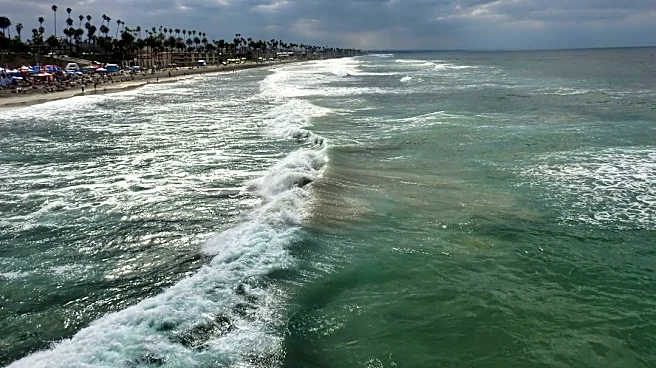
another sea turtle was observed near the Huntington Beach Pier, though it is unclear if it was the same individual. Olive Ridley sea turtles are typically found in tropical regions of the Pacific, Indian, and Atlantic oceans, with major nesting populations in Mexico, Nicaragua, Costa Rica, and Panama. This unprecedented nesting event in Southern California is attributed to unusually warm ocean waters, partly fueled by a strengthening El Niño. These warm waters have also led to increased sightings of other warm-water marine animals, such as hammerhead sharks, whale sharks, and orcas, off the coast of Southern California.
Why It's Important?
This historic sea turtle nesting event highlights the significant impact of changing ocean conditions, particularly warming waters and the strengthening El Niño, on marine ecosystems. The presence of an Olive Ridley sea turtle, a species typically found in more tropical climates, nesting on the U.S. West Coast indicates a notable shift in marine animal distribution. This could have broader implications for conservation efforts and the management of endangered species, as sea turtles in the U.S. are protected under the Endangered Species Act. The event also underscores the ecological consequences of prolonged periods of elevated ocean temperatures, which are bringing new species to Southern California's shores and potentially altering local marine biodiversity. Understanding these shifts is crucial for scientists and policymakers to adapt conservation strategies and prepare for future ecological changes.
What's Next?
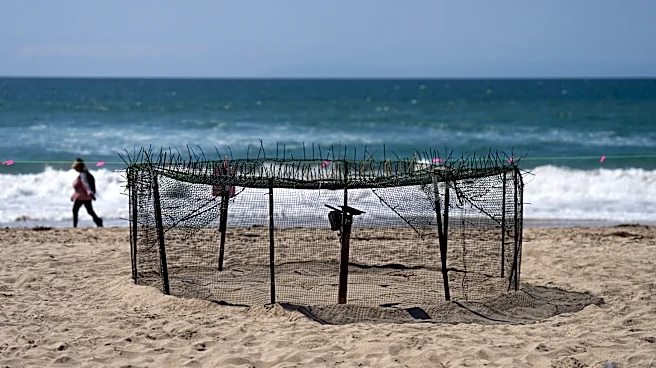
Officials from NOAA Fisheries and other agencies will closely monitor the sea turtle nests in Orange County. The incubation period for Olive Ridley sea turtle eggs typically lasts between 45 to 60 days. Both nesting sites, near Seal Beach and Huntington Beach Pier, have been fenced off and protected to prevent disturbance from beachgoers. The success of these nests in hatching will provide valuable data on the adaptability of these species to new environments and the potential for future nesting events in the region. Additionally, the continued warm ocean waters due to El Niño are expected to sustain the presence of other warm-water marine animals in Southern California, prompting ongoing observation and potential adjustments to local marine life management and public awareness campaigns regarding these new visitors.
Beyond the Headlines
The appearance of an Olive Ridley sea turtle nesting on the U.S. West Coast for the first time carries deeper implications beyond a singular biological event. It serves as a tangible indicator of climate-driven ecological shifts, suggesting that species ranges are expanding or altering in response to environmental changes. This could lead to new challenges for existing conservation frameworks, which are often designed around historical species distributions. The event also raises questions about the long-term viability of such displaced populations and their ability to thrive in new habitats, including potential interactions with local species and the availability of suitable food sources. Furthermore, it highlights the interconnectedness of global ocean systems and how phenomena like El Niño can trigger cascading effects across vast geographical areas, necessitating a more integrated approach to marine conservation and climate change mitigation.