







What's Happening?
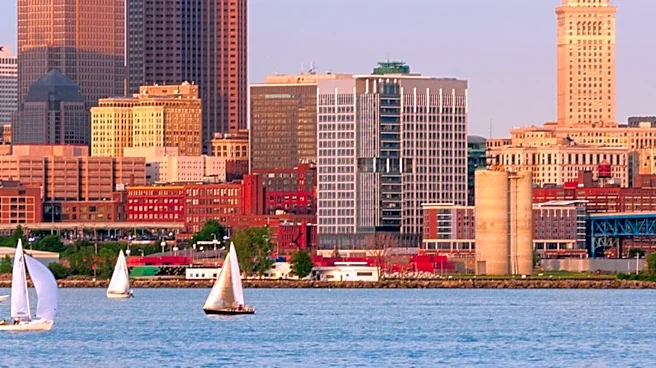
Cleveland's downtown lakefront is undergoing a complete reimagining following the Browns' planned move to Brook Park. Scott Skinner, executive director of the North Coast Waterfront Development Corporation, detailed the new framework for the area. What
was initially a 25-acre site centered around an NFL stadium has expanded to a 50- to 60-acre extension of downtown. The new plan includes a comprehensive street grid, updated utilities, and long-term development phasing. Skinner emphasized the need to 'reset' the vision, incorporating past community input into a plan that no longer features a stadium as its anchor. The framework focuses on both physical and social infrastructure, aiming to create a welcoming and familiar space for Clevelanders. Key elements include first-floor retail spaces for small and minority-owned businesses, preservation of existing uses like fishing piers, and the design of public spaces that foster a sense of ownership among residents. The plan also introduces a flexible street grid for various modes of transport, a pedestrian-only 'ribbon' along the water, and a diagonal walkway connecting a new Lake Erie plaza near the Rock Hall and a central lawn called 'the field.'
Why It's Important?
This reimagined lakefront plan is crucial for Cleveland's urban development and economic future. The expansion from 25 to 50-60 acres without an NFL stadium presents a unique opportunity to create a more integrated and community-focused downtown extension. By prioritizing small and minority-owned businesses for retail spaces, the project aims to foster local economic growth and inclusivity, potentially creating new jobs and opportunities within the city. The emphasis on public spaces that residents 'own' rather than just visit could significantly enhance civic engagement and quality of life, making the lakefront a vibrant hub for community activities. Furthermore, the integration of a new street grid and pedestrian pathways will improve connectivity between downtown and the waterfront, addressing historical barriers and making the area more accessible. This development could serve as a model for other cities looking to repurpose large urban spaces, demonstrating how to transform areas previously dominated by single-use facilities into diverse, multi-functional public assets. The project's success will likely influence future urban planning strategies in Cleveland and beyond.
What's Next?
The downtown Cleveland lakefront project is set to proceed with significant infrastructure development. A critical component is the city-led North Coast Connector, a fully funded pedestrian bridge and Shoreway realignment project designed to slow traffic, add signals, and integrate the lakefront into the downtown street grid. This connector is expected to drastically reduce travel time from Mall C to the waterfront, transforming a 30-40 minute trek into a five-minute walk. While the Browns' stadium lease runs through the 2028 season, with demolition anticipated in 2029 and early 2030, project leaders do not intend to wait to show progress. The goal is to be 'construction ready' by late next year for permanent public spaces north of the stadium, utilizing settlement dollars and financing tools like TIF and a new community authority. Temporary activations, such as the North Coast Yard, will continue to draw visitors in the interim, maintaining public engagement with the evolving lakefront area.
Beyond the Headlines
The transformation of Cleveland's lakefront represents a significant shift in urban planning philosophy, moving away from large, single-purpose anchor developments like stadiums towards more flexible, community-centric designs. This approach acknowledges the evolving needs of urban populations, prioritizing walkability, green spaces, and local economic integration over large-scale entertainment venues. The emphasis on 'social infrastructure' alongside physical infrastructure suggests a deeper understanding of how urban spaces contribute to community well-being and identity. By designing public spaces where people feel a sense of ownership, the project aims to foster a more engaged and connected citizenry, potentially reducing social fragmentation and enhancing civic pride. This development also highlights the long-term economic resilience of cities, demonstrating how they can adapt and thrive even after major institutions relocate. The project's success could inspire a broader re-evaluation of urban waterfronts across the U.S., encouraging cities to reclaim these valuable assets for diverse public use rather than exclusive commercial or entertainment purposes.