

What's Happening?
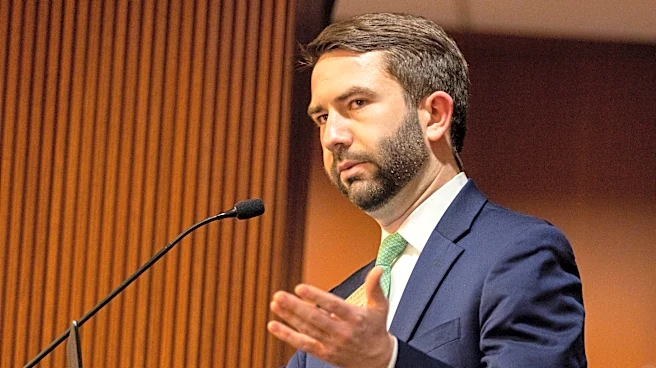
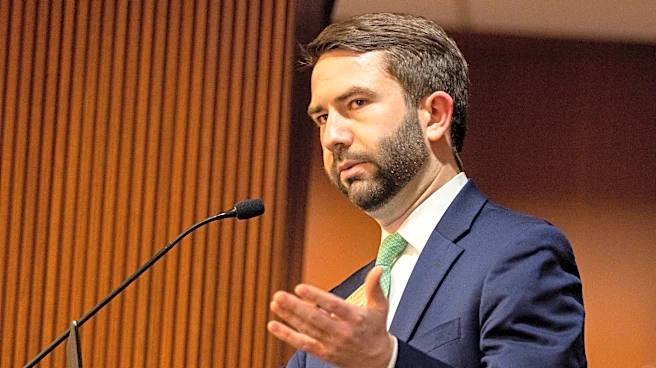
During a heated forum, Chicago Police Superintendent Larry Snelling defended the department's actions during 'Operation Midway Blitz,' an immigration enforcement initiative. The meeting, held by the Community Commission for Public Safety and Accountability,
addressed concerns about the police department's adherence to the Welcoming City Ordinance, which limits cooperation with federal immigration agencies. Snelling emphasized the department's role in maintaining public safety and denied allegations of collusion with federal agents. The forum included public comments from residents and activists who criticized the police for allegedly prioritizing federal agents over community safety.
Why It's Important?
The controversy surrounding 'Operation Midway Blitz' highlights ongoing tensions between local law enforcement and federal immigration authorities. The Chicago Police Department's actions have sparked debate over the enforcement of city ordinances designed to protect immigrant communities. This situation underscores the challenges faced by cities in balancing public safety with the rights of residents, particularly in areas with significant immigrant populations. The outcome of this debate could influence future policies and practices regarding immigration enforcement and community relations.
What's Next?
The Community Commission for Public Safety and Accountability has recommended an audit of the police department's training policies related to the Welcoming City Ordinance. This audit could lead to changes in how the department interacts with federal immigration agencies. Additionally, Superintendent Snelling hinted at upcoming developments related to Mayor Brandon Johnson's executive order on reporting state law violations by federal officers. These actions may result in increased scrutiny and potential policy adjustments within the police department.
Beyond the Headlines
The forum reflects broader national discussions on immigration policy and law enforcement's role in community safety. The tensions in Chicago are indicative of similar challenges faced by other cities across the U.S. as they navigate complex legal and ethical issues surrounding immigration enforcement. The situation also raises questions about the effectiveness of local ordinances in protecting immigrant communities and the potential need for federal policy reform.