




What's Happening?
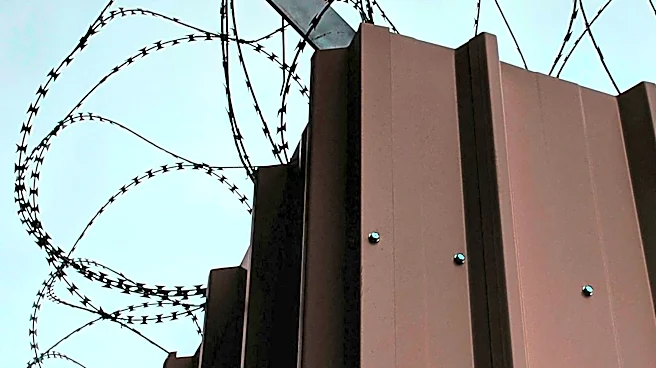
Wisconsin's prison population has reached a new record high of 23,854 individuals, exceeding its intended capacity by nearly 6,000. This overcrowding has led to severe strain on staffing and programs within the correctional system. For instance, the Robert
E. Ellsworth Correctional Center, designed for 230 people, now houses 495, and the Milwaukee Women's Center, designed for 42, holds 104. This situation persists despite Governor Tony Evers' 2018 pledge to reduce prison crowding and his administration's eight years of budget requests aimed at justice system reform. The Department of Corrections (DOC) states it has limited statutory authority to unilaterally reduce the population. The state's 'truth-in-sentencing' laws, enacted in 1998, require most prisoners to serve full sentences without parole, contributing to the sustained high numbers. Overcrowding has also led to a shortage of approximately 658 full-time correctional officers and sergeants, impacting prison operations and the availability of treatment and educational programs for inmates.
Why It's Important?
The record prison population in Wisconsin highlights a significant challenge in the state's justice system, with broad implications for public safety, state finances, and human rights. Overcrowding exacerbates dangerous conditions for both inmates and correctional officers, as evidenced by the lockdown of Waupun Correctional Institution in 2023 due to staffing shortages. This situation also hinders rehabilitation efforts, as limited space and staff reduce access to crucial treatment, education, and work programs designed to prepare individuals for reintegration into society. The cycle of incarceration may be perpetuated if these programs are inaccessible, potentially leading to higher recidivism rates. Economically, Wisconsin spends approximately $1.06 billion annually on its prisons, with an estimated cost of $50,000 per inmate per year, significantly more than the $15,000 spent per K-12 public school student. This financial burden, coupled with the social costs of high incarceration rates, particularly among Black residents, underscores the urgent need for effective policy solutions.
What's Next?
Policymakers and prisoner advocates in Wisconsin continue to debate solutions to ease prison crowding. Governor Evers' proposed revamp, which includes closing the Green Bay Correctional Institution, transforming Waupun Correctional Institution into a 'vocational village,' and converting other facilities, aims to reduce capacity by 700. However, this plan has faced criticism from Republican lawmakers who argue for more prison space rather than less. The State of Wisconsin Building Commission released $15 million for planning these changes, but the Legislature did not fully fund the proposal. Additionally, Governor Evers signed executive orders in April allowing eligible prisoners to apply for sentence commutations, a measure that could modestly reduce the population. The Commutation Advisory Board has begun hearing testimony from applicants, with further hearings scheduled. The ongoing disagreement between the executive and legislative branches suggests that comprehensive reform will require sustained negotiation and potentially new legislative action to address the systemic issues contributing to the overcrowding.
Beyond the Headlines
The persistent overcrowding in Wisconsin's prisons reflects deeper societal and political dynamics, particularly the impact of 'truth-in-sentencing' laws and the political divide over criminal justice reform. While some states have successfully reduced their prison populations through bipartisan efforts focusing on treatment and diversion, Wisconsin's Republican-led Legislature has largely resisted such changes, advocating for increased capacity instead. This ideological split underscores a fundamental disagreement on the purpose of incarceration—whether it should prioritize punishment and incapacitation or rehabilitation and societal reintegration. The disproportionate incarceration of Black residents in Wisconsin also points to systemic racial disparities within the justice system, raising questions about equity and social justice. Addressing these issues requires not only policy adjustments but also a broader societal dialogue on criminal justice philosophy, racial bias, and the allocation of public resources between incarceration and preventative social programs.