



What's Happening?
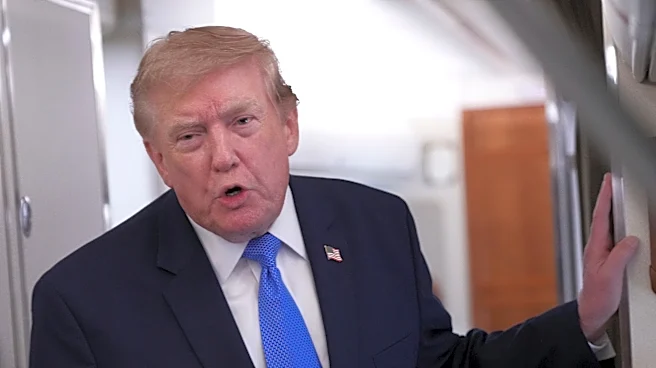
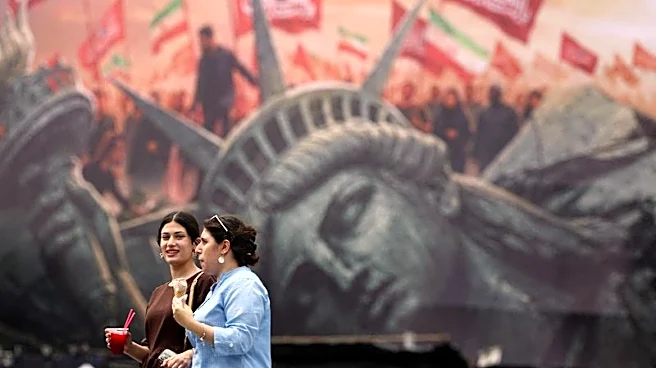
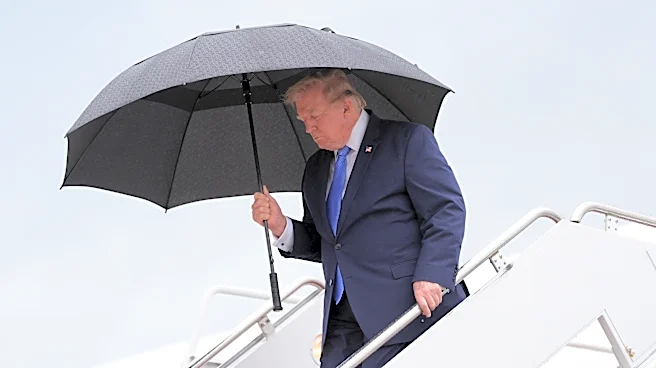
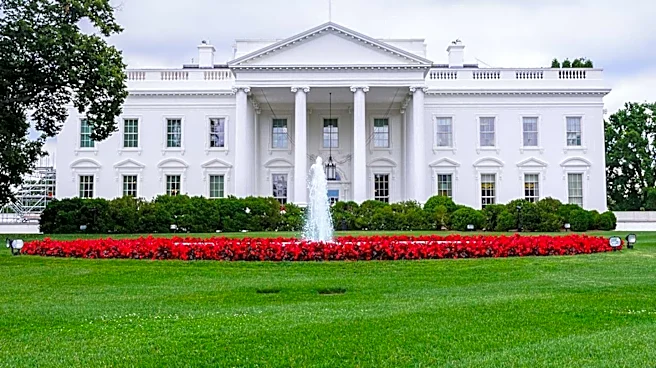
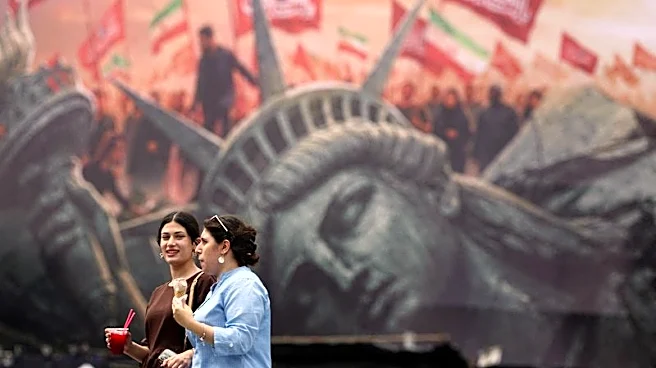
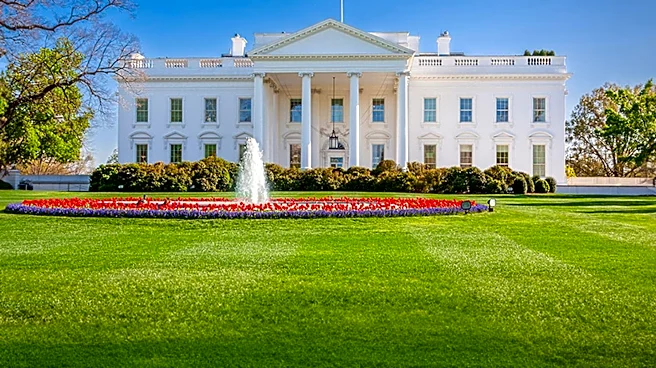
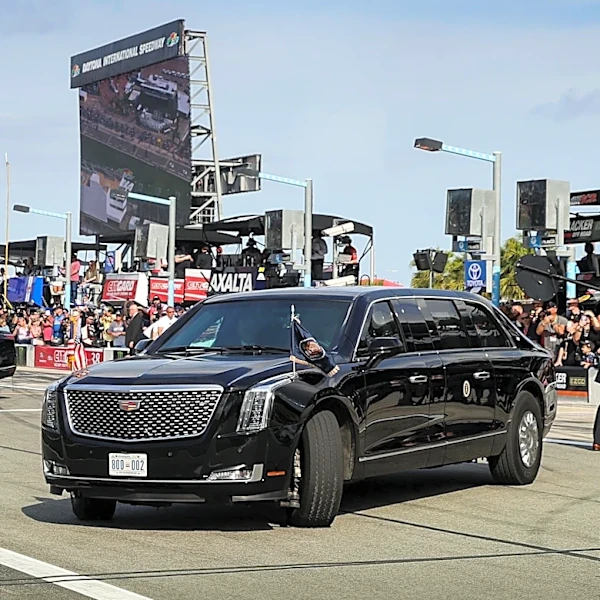
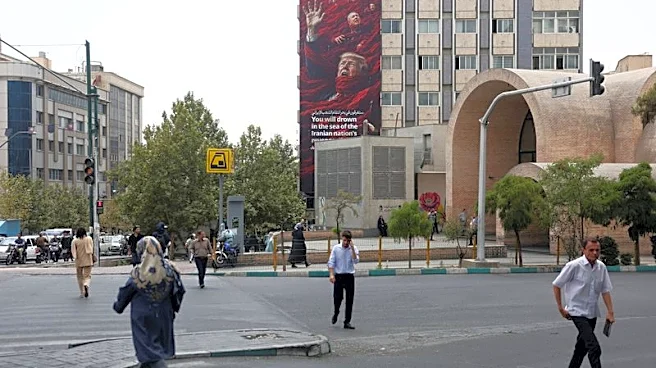
President Trump has postponed a planned military attack on Iran after receiving counsel from Saudi Crown Prince Mohammed bin Salman and other Arab leaders. The proposed offensive aimed to target Iran's energy infrastructure and other critical sites, potentially
escalating the conflict. The decision to delay was influenced by concerns over regional stability and the potential for Iranian retaliation against neighboring Arab countries hosting U.S. forces. The move has temporarily eased tensions, with financial markets responding positively, as evidenced by a significant drop in oil prices.
Why It's Important?
This development highlights the complex interplay of regional diplomacy and military strategy in the Middle East. The involvement of Saudi Arabia and other Arab nations in mediating the situation underscores their vested interest in maintaining regional stability and protecting economic interests. The decision to delay military action has immediate economic implications, particularly for global oil markets, as it alleviates fears of supply disruptions. Additionally, it reflects a cautious approach by the U.S. administration, balancing military readiness with diplomatic engagement to avoid further escalation.
What's Next?
The postponement of military action opens the possibility for renewed diplomatic negotiations between the U.S. and Iran. However, the underlying tensions remain unresolved, and the potential for conflict persists. The U.S. and its allies may continue to explore diplomatic solutions while maintaining a military presence as a deterrent. The outcome of these efforts will be crucial in determining the future trajectory of U.S.-Iran relations and the broader geopolitical landscape in the Middle East.