







What's Happening?
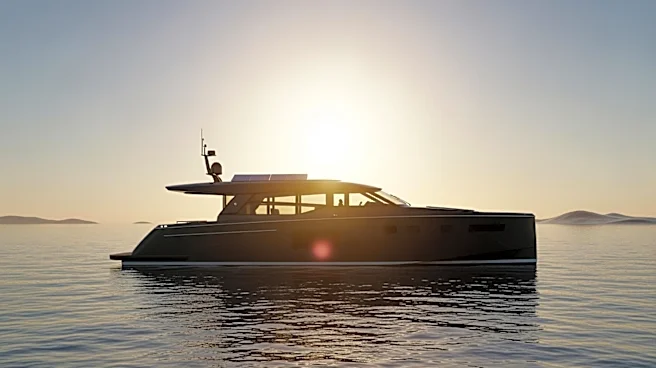
A Finnish individual has successfully navigated a solar-powered boat from Finland towards Spain, showcasing the potential of sustainable marine travel. The boat, constructed with materials costing approximately 30,000 euros, operates on solar energy,
eliminating the need for fossil fuels. The monthly operational expenses are minimal, with maintenance costs under $50 and no fuel expenses, as the boat relies entirely on solar power. The largest recurring cost is food, estimated at $500 per month. This journey highlights the advancements in solar technology and electric motors, which have become more affordable and efficient over the years.
Why It's Important?
This development underscores the growing viability of renewable energy in reducing reliance on fossil fuels, particularly in the marine industry. The use of solar power in boating not only cuts down on fuel costs but also minimizes environmental impact by reducing emissions and pollution. As battery technology and solar panel efficiency continue to improve, such innovations could lead to broader adoption of sustainable practices in maritime travel. This shift could significantly contribute to efforts in combating climate change and protecting marine ecosystems from oil spills and pollution.
What's Next?
The success of this solar-powered journey may inspire further innovations and investments in renewable energy solutions for marine transportation. As technology advances, it is likely that more boats will be equipped with solar panels and electric motors, potentially leading to a new era of eco-friendly boating. Stakeholders in the marine industry, including manufacturers and environmental organizations, may push for policies and incentives to support the transition to sustainable energy sources.
Beyond the Headlines
The implications of this development extend beyond environmental benefits. The adoption of solar-powered boats could influence economic factors, such as reducing operational costs for shipping companies and creating new markets for renewable energy technologies. Additionally, it may prompt regulatory changes to encourage sustainable practices in the maritime sector, aligning with global efforts to reduce carbon footprints and promote green energy.