







What's Happening?
A powerful El Niño, described as a 'Godzilla' event, is developing in the Pacific Ocean, with forecasts indicating it could significantly impact global food prices. The World Meteorological Organization (WMO) and the National Oceanographic and Atmospheric
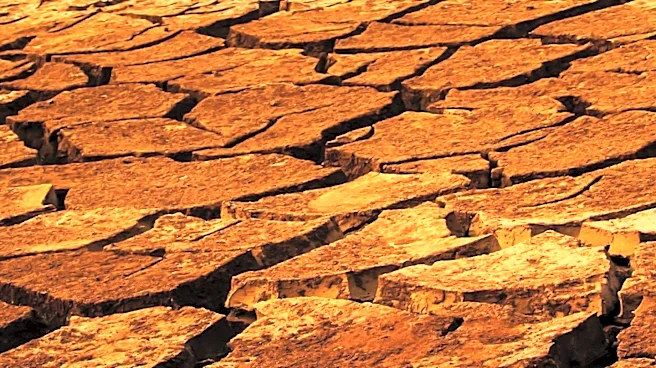
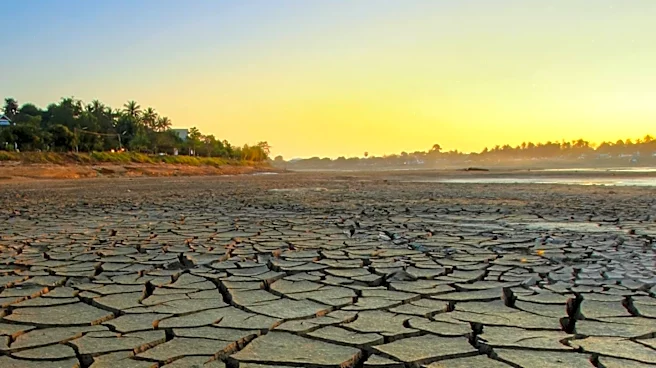
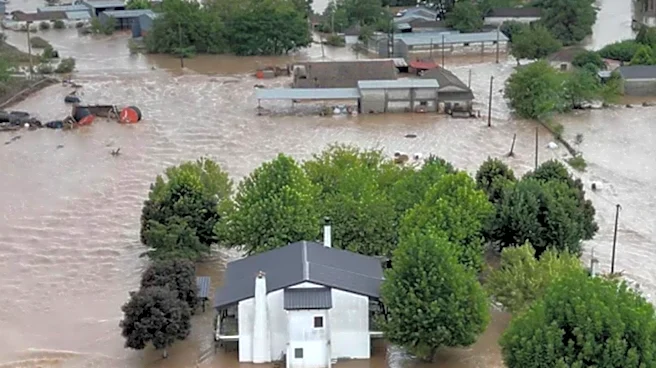
Administration (NOAA) have both predicted that this El Niño will strengthen rapidly, potentially becoming one of the largest on record. This climate pattern is expected to disrupt global agriculture and food supply chains, with analysts warning of a possible 15.8% increase in global food commodity prices. The event could lead to severe droughts and heavy rainfall, affecting rice production in Asia and causing food security concerns. Additionally, the energy sector may face challenges due to changes in weather patterns affecting renewable energy generation.
Why It's Important?
The anticipated El Niño could have widespread implications for global food security and economic stability. As a major climate event, it threatens to disrupt agricultural production, particularly in regions heavily reliant on monsoon rains for rice cultivation. This could lead to increased food prices, affecting billions of people, especially in Asia. The U.S. may experience limited direct impact due to its diversified import supply chains, but global markets could see significant volatility. The energy sector might also face disruptions, impacting international trade and renewable energy production. These developments underscore the interconnectedness of climate patterns, food security, and economic stability.
What's Next?
As the El Niño event progresses, stakeholders in agriculture and energy sectors will need to monitor developments closely. Governments and international organizations may need to implement measures to mitigate the impact on food security and energy supplies. The situation calls for coordinated efforts to manage potential disruptions in global supply chains and to support affected regions. Policymakers may also need to consider long-term strategies to enhance resilience against such climate events.