






What's Happening?
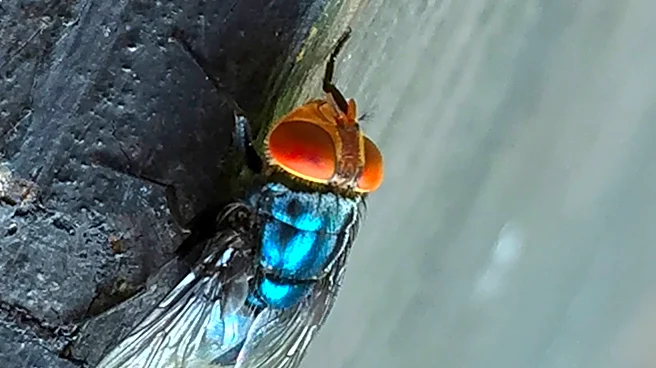
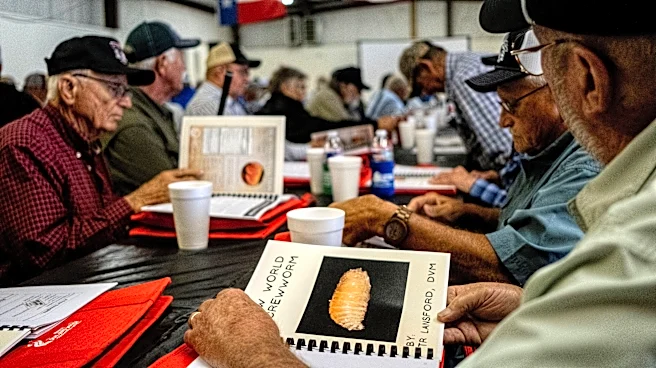
The United States Department of Agriculture (USDA) has confirmed a case of the New World screwworm in a three-week-old calf in Zavala County, Texas. This marks the first detection of the parasitic fly in the United States in decades. The screwworm larvae,
which can infest livestock and other warm-blooded animals, were identified in the calf's umbilical area. The USDA, along with Texas officials, is implementing measures to contain the outbreak, including setting up a 20-kilometer infected zone with quarantines and increased surveillance. The screwworm poses a significant threat to the cattle industry as it can cause severe damage to livestock if left untreated.
Why It's Important?
The detection of the New World screwworm in Texas is a significant concern for the U.S. cattle industry, which could face up to $1.8 billion in damages if the outbreak spreads. The presence of this parasite could also lead to increased beef prices nationwide due to a potential reduction in cattle supply. The USDA has been proactive in its efforts to prevent the spread of the screwworm, having closed the border with Mexico to cattle imports for over a year. The situation underscores the importance of biosecurity measures in protecting the livestock industry, which is a critical component of the U.S. economy.
What's Next?
The USDA is continuing its efforts to contain the screwworm outbreak by deploying response teams and implementing quarantines and surveillance measures. The agency is also conducting further testing to confirm the extent of the infestation. Texas Representative Don McLaughlin has expressed support for collaborative efforts among local, state, and federal agencies to address the issue. The USDA's actions will be crucial in preventing a widespread outbreak and mitigating potential economic impacts on the cattle industry.