


What's Happening?
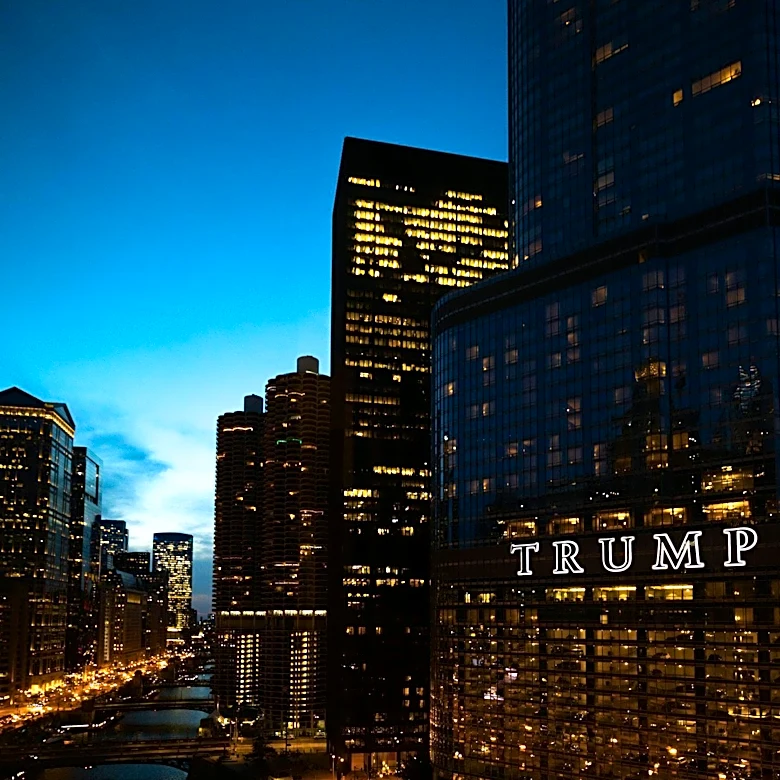
Danielle Carter-Walters, known for her involvement with the 'Chicago Flips Red' group, has officially announced her candidacy for Chicago mayor. She is running as a Republican in a field predominantly composed of Democrats. Carter-Walters, a 52-year-old
Chicago native and small business owner, is positioning herself as an alternative voice in the city's political landscape. Her entry into the race introduces a Republican perspective into a contest that typically sees strong Democratic dominance. Her campaign will likely focus on issues that resonate with her base and differentiate her from the numerous Democratic contenders, aiming to challenge the established political order in Chicago.
Why It's Important?
Danielle Carter-Walters' entry as a Republican candidate in the Chicago mayoral race is significant because Chicago is a historically Democratic stronghold. A Republican candidate, especially one associated with a movement like 'Chicago Flips Red,' challenges the prevailing political narrative and offers voters a distinct ideological choice. This candidacy could energize a segment of the electorate that feels unrepresented by the Democratic Party, potentially increasing voter turnout and diversifying political discourse in the city. While the path for a Republican to win the Chicago mayoralty is historically challenging, her presence forces other candidates to address a broader range of issues and perspectives. It also highlights the ongoing national political polarization, even at the local level, and the efforts by minority parties to gain traction in traditionally opposing territories. Her campaign will be a test of whether a conservative message can gain significant traction in a major liberal urban center.
What's Next?
As Danielle Carter-Walters officially enters the race, her immediate focus will be on building campaign infrastructure, fundraising, and increasing her public profile. She will need to articulate a clear platform that distinguishes her from the Democratic candidates and appeals to a broad base of Chicago voters. Her campaign will likely involve community outreach, debates, and media appearances to convey her message. The other candidates in the race, primarily Democrats, will observe her campaign's trajectory and may adjust their own strategies in response to her presence. The election will serve as a barometer for the strength of Republican sentiment in a major U.S. city and could influence future local elections in similar urban environments. Her performance will be closely watched by both state and national Republican parties as they assess strategies for expanding their influence.
Beyond the Headlines
Danielle Carter-Walters' Republican candidacy in Chicago's mayoral race delves into the deeper complexities of urban politics and the challenges faced by minority parties in heavily partisan cities. Her campaign is not just about winning an election; it's about providing an alternative narrative and potentially shifting the political conversation in a city often seen as monolithic in its political leanings. This effort can highlight issues that might otherwise be overlooked in a one-party dominant system, such as fiscal conservatism, public safety approaches, or different economic development strategies. Her candidacy also reflects a broader national trend where local elections are increasingly becoming battlegrounds for ideological differences, mirroring national political divides. The success or struggle of her campaign could offer valuable lessons for how political parties attempt to penetrate and influence urban electorates, potentially leading to new strategies for engaging diverse communities and addressing their concerns.