






What's Happening?
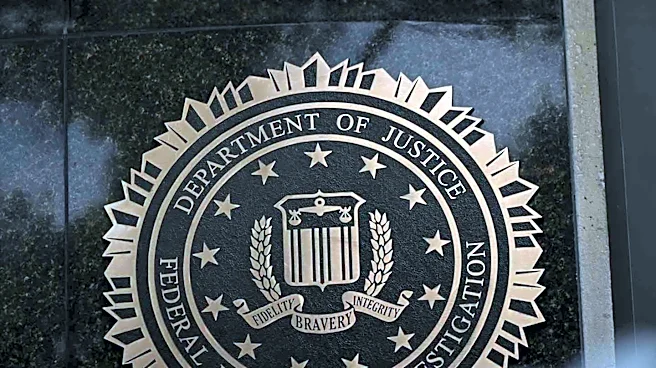
Federal and state authorities have conducted raids on two autism service providers in the Twin Cities, Iska Inc. in St. Louis Park and Bright Horizon Therapy Center in Edina, as part of ongoing fraud investigations. These searches were described by federal
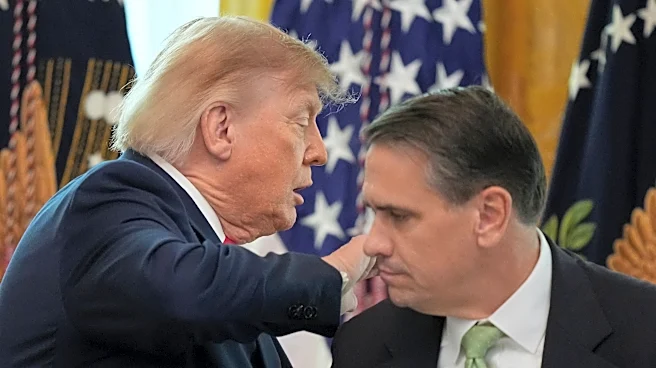
officials as "court-authorized investigative activity." The agencies involved in these operations include the FBI, the Department of Health and Human Services Office of Inspector General, the U.S. Postal Inspection Service, IRS criminal investigators, the Minnesota Bureau of Criminal Apprehension, and the Minnesota Medicaid Fraud Control Unit. Concurrently, a planned fraud announcement in St. Cloud, which Vice President JD Vance was initially scheduled to attend, proceeded with other senior Trump administration officials, including Treasury Secretary Scott Bessent, FBI Director Kash Patel, Centers for Medicare & Medicaid Services Administrator Dr. Mehmet Oz, and Federal Trade Commission Chairman Andrew Ferguson. The direct connection between these raids and the St. Cloud announcement remains unclear, though FBI Director Kash Patel later announced that 17 search warrants were executed, leading to a 26-count indictment and four arrests for alleged multi-million dollar fraud.
Why It's Important?
These investigations and raids highlight a significant federal and state effort to combat fraud within the healthcare sector, specifically targeting autism service providers. The involvement of multiple high-level federal agencies, including the FBI and IRS, underscores the seriousness and potential scale of the alleged fraud. Such actions are crucial for protecting taxpayer money, ensuring the integrity of government programs like Medicaid, and safeguarding vulnerable populations who rely on these services. Fraudulent activities in healthcare can lead to inflated costs, reduced quality of care, and a diversion of resources from legitimate patients. The arrests and indictments signal a commitment to accountability, which could deter future fraudulent schemes and reinforce public trust in healthcare systems. For the affected businesses, these investigations can result in severe legal and financial consequences, potentially impacting their ability to operate and serve their clients.
What's Next?
The investigations into Iska Inc. and Bright Horizon Therapy Center are expected to continue, with authorities likely to delve deeper into financial records and operational practices. The 26-count indictment and the four arrests announced by FBI Director Kash Patel suggest that further legal proceedings, including trials and potential convictions, are forthcoming. The Trump administration officials' announcement in St. Cloud, despite Vice President JD Vance's cancellation, indicates a broader federal focus on combating fraud across various sectors in Minnesota. This could lead to increased scrutiny of other businesses and industries, particularly those involved in government-funded programs. The outcome of these cases will likely influence future regulatory measures and enforcement strategies aimed at preventing similar fraudulent activities in the healthcare and social services sectors.
Beyond the Headlines
The raids and subsequent announcements touch upon the broader issue of fraud within the U.S. healthcare system, particularly concerning services for individuals with autism. This sector, often reliant on government funding through programs like Medicaid, can be susceptible to exploitation due to complex billing procedures and the high demand for specialized care. The ethical implications extend to the potential harm caused to patients who may receive substandard care or have their funds misused. Legally, these cases could set precedents for how fraud in specialized healthcare services is prosecuted and regulated. Culturally, such incidents can erode public trust in essential service providers and create a stigma around certain types of care, even for legitimate providers. The long-term impact could involve stricter oversight, enhanced auditing mechanisms, and potentially a re-evaluation of how government funds are disbursed and monitored within the autism services industry.